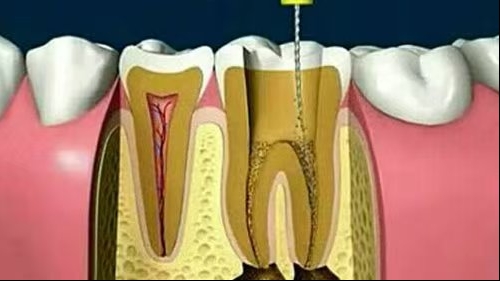
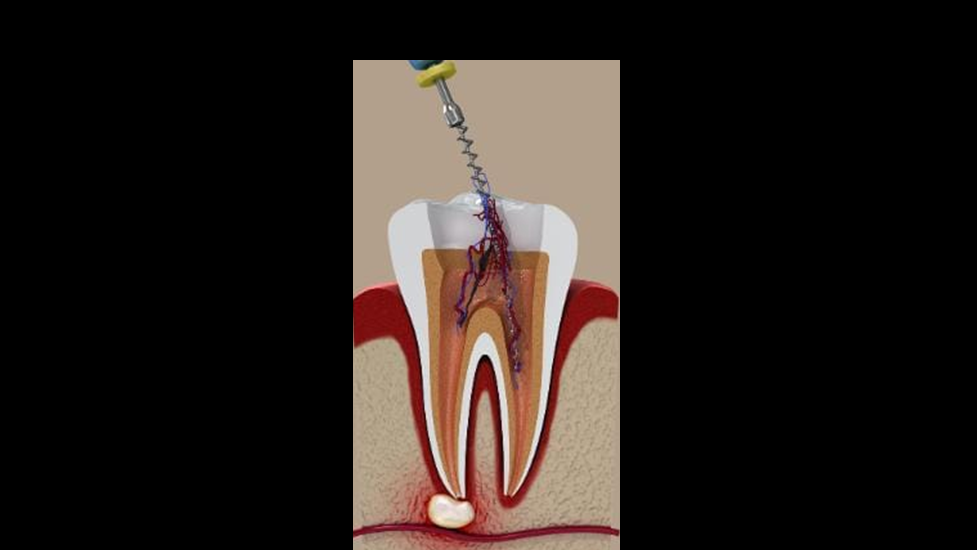
Toothache does not necessarily indicate that tooth extraction is a viable option
In clinical practice, we often encounter patients who say, "I have a toothache and want to have it extracted to end the problem once and for all." In fact, for most patients, tooth extraction is an acceptable procedure. However, extraction should not be performed under the following circumstances.
1.Acute Inflammatory Phase
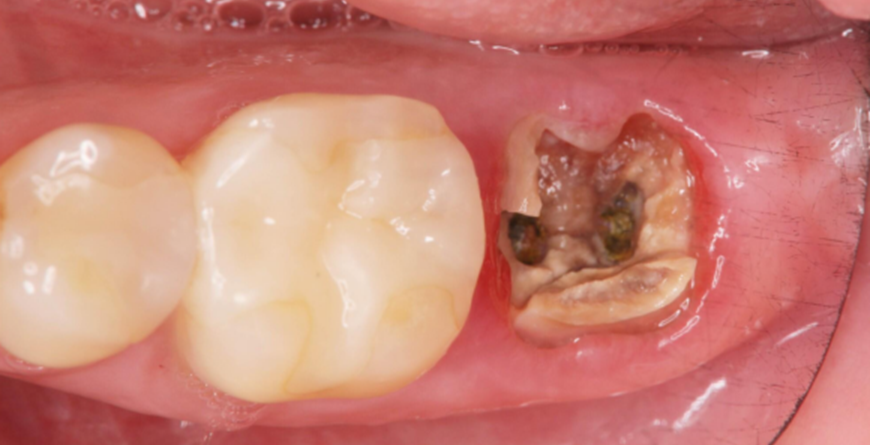
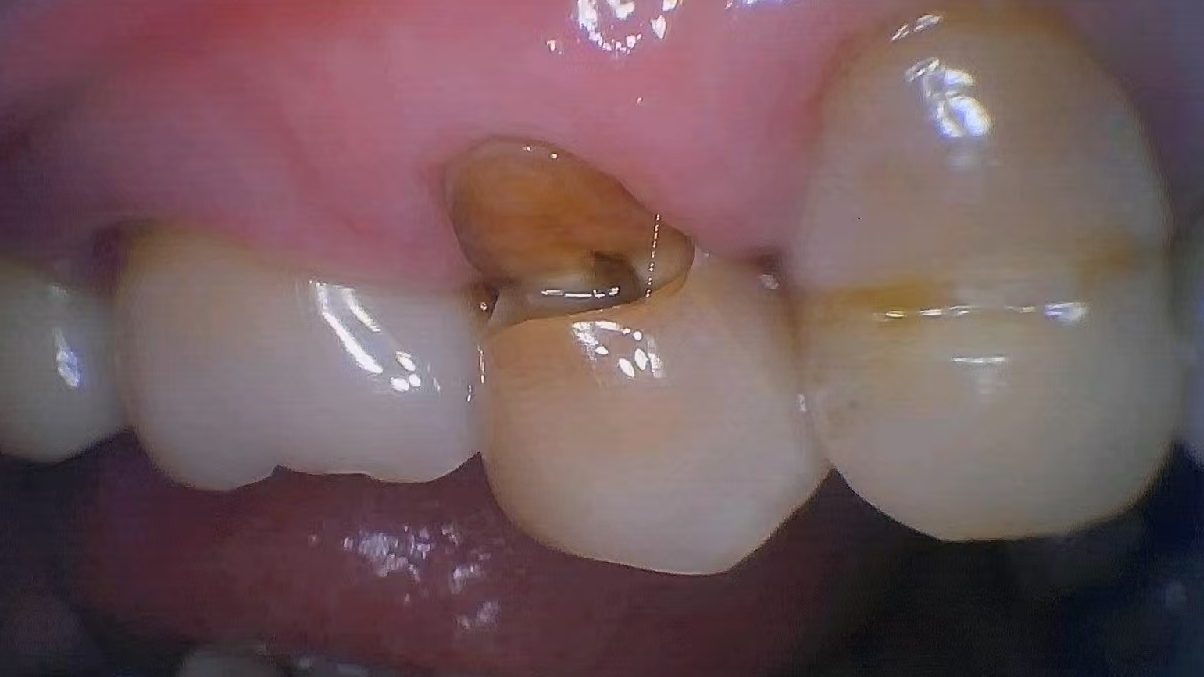
When a tooth infection leads to pus formation around the gums or facial swelling, extraction is contraindicated. This is because the extraction procedure may allow bacteria to enter the bloodstream, potentially causing transient bacteremia or even sepsis, leading to systemic infection.
2.Abnormal Blood Test Results
Acute inflammatory phase: Inflammatory markers such as white blood cell count and C-reactive protein are elevated above normal levels.
Anemia: Hemoglobin level is below normal. Generally, if hemoglobin is <70 g/L, the extraction surgery should be postponed.
Low platelet count, coagulation disorders, hemophilia. Patients with these conditions have impaired coagulation function. Simply put, this means increased bleeding during extraction, and prolonged or even absent clot formation in the extraction socket after the procedure. Some patients may experience continuous bleeding from the wound on the second, third day, or even longer postoperatively, which is highly dangerous. Therefore, patients with hematological diseases should avoid tooth extraction unless absolutely necessary. If a tooth must be extracted, it should only be done under the supervision of a hematologist who can manage the coagulation parameters.

3.Special Periods for Women
Menstrual period: Extraction should preferably be postponed, as compensatory bleeding may occur, and the patient's immunity is generally lower during this time. However, necessary, simple extractions can still be performed with attention to bleeding prevention.
Pregnancy: For teeth causing extreme pain that must be extracted, the procedure may be performed during the 4th, 5th, and 6th months of a healthy, normal pregnancy. Extraction during the first trimester increases the risk of miscarriage, while extraction during the last trimester increases the risk of premature birth.
Lactation period: The impact is not significant.

4.Cardiovascular Diseases
For patients with cerebral infarction, coronary heart disease, or those with cardiac stents who are on long-term anticoagulant therapy, it was previously advised to discontinue medication for 3 days before and after extraction. However, an increasing number of studies now indicate that bleeding can be controlled with proper infection control, intraoperative bleeding prevention measures, and postoperative monitoring. Nevertheless, extraction is contraindicated in cases of acute or subacute angina pectoris, recent myocardial infarction (within 6 months), recent myocarditis (within 3 months), uncontrolled arrhythmia, and severe hypertension (≥180/100 mmHg). For patients with abnormal blood pressure, tooth extraction is best performed under electrocardiographic monitoring.