Recommendations for Night Guard Fabrication
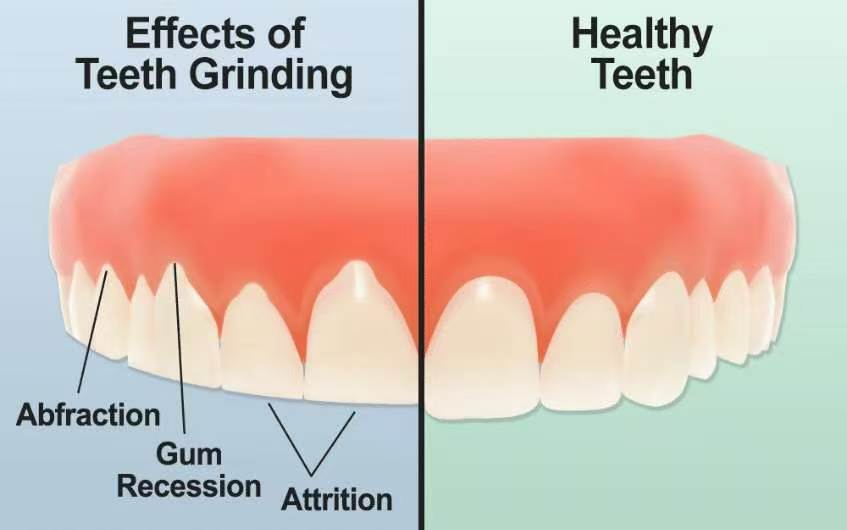
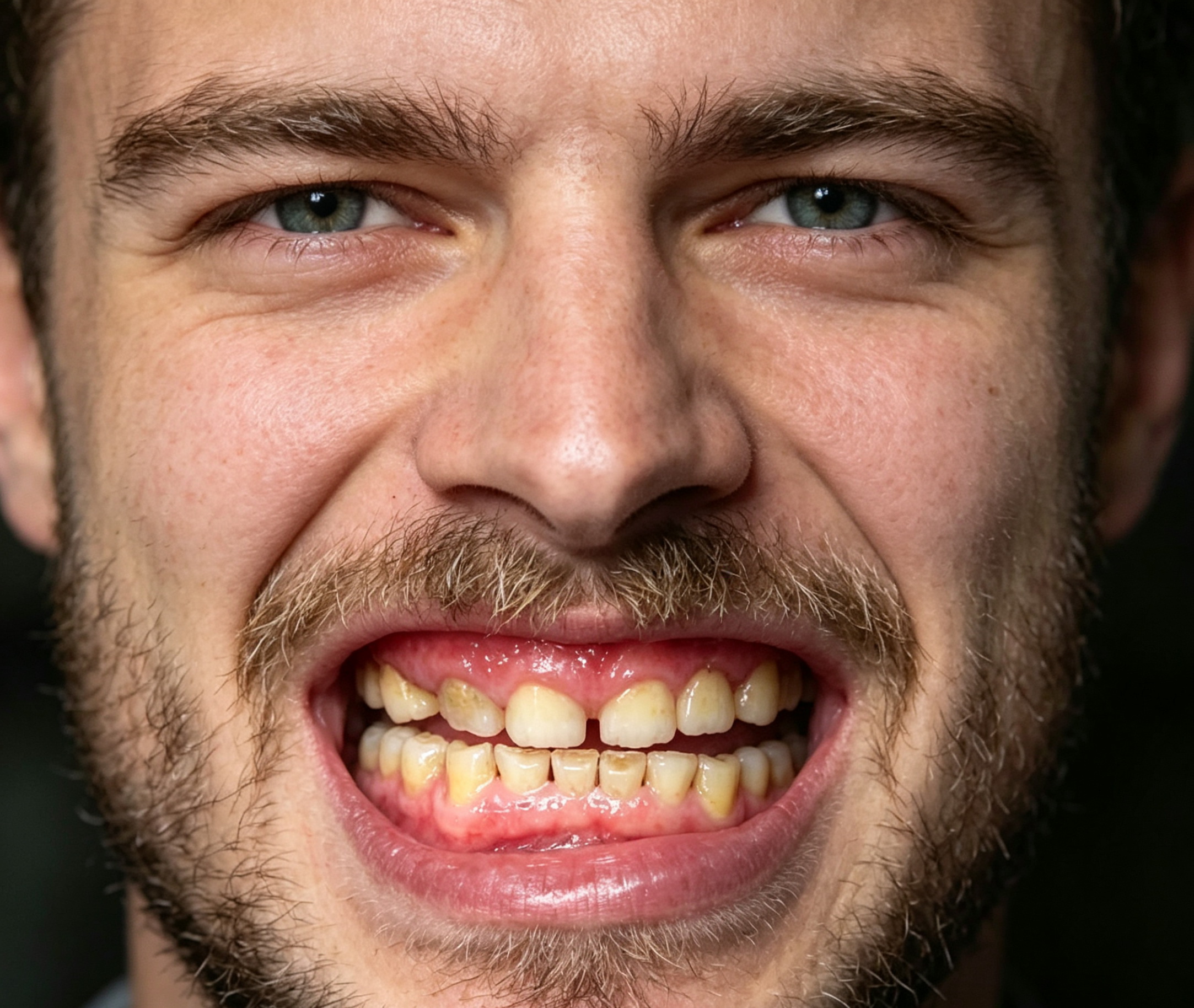
Many patients with nocturnal bruxism and sleep‑time clenching who do not wear night guards for long‑term protection will suffer from continuous excessive tooth wear. Once the wear progresses to the deep dentin and pulp exposure, multiple teeth often require root canal therapy.
Therefore, patients with such parafunctional habits are advised to have custom‑fabricated night guards at an early stage to prevent further dental damage.
1. Arch Form and Occlusal Force Distribution
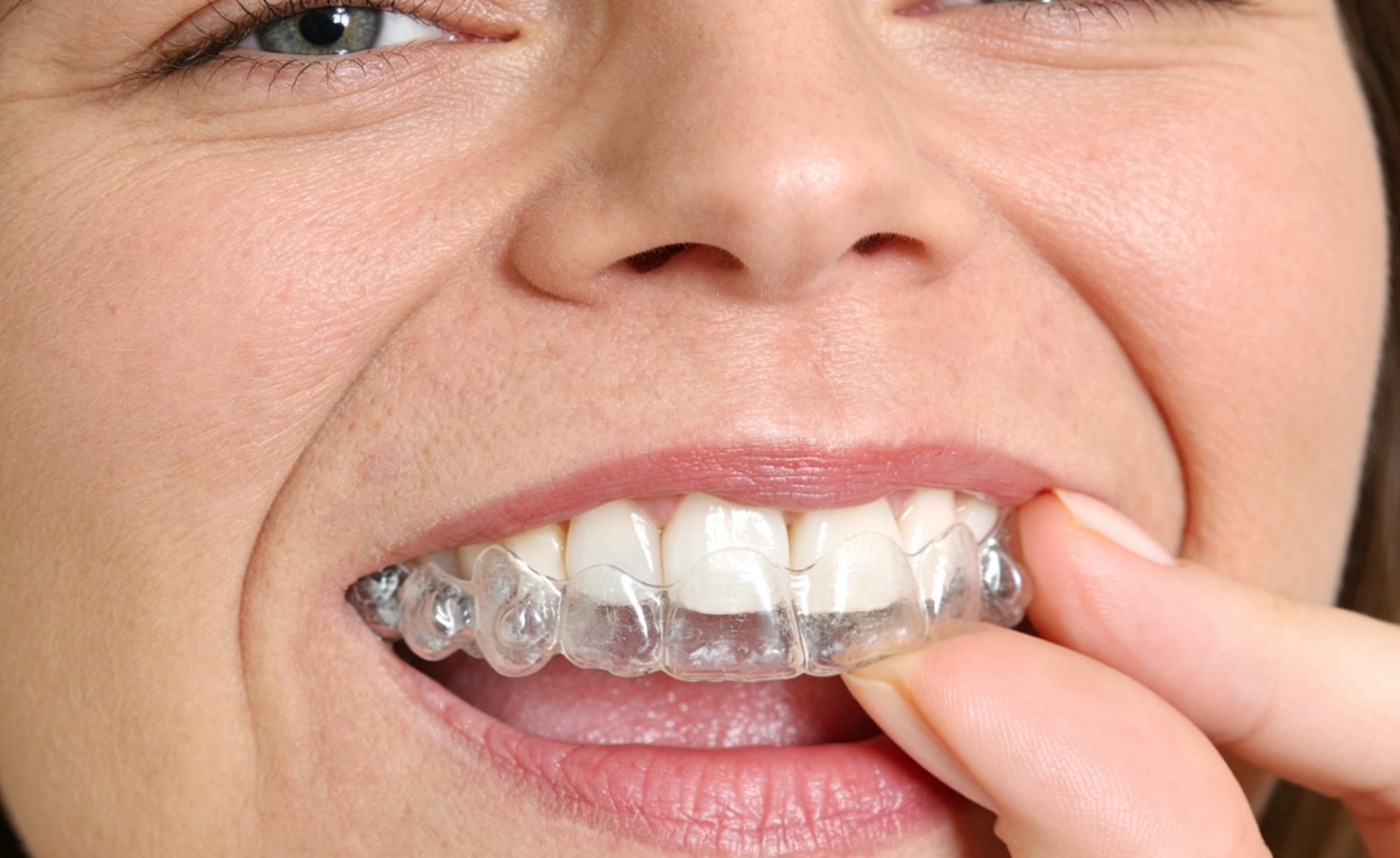
The maxillary arch is generally wider than the mandibular arch. A maxillary night guard can distribute occlusal forces generated during bruxism more evenly,
reduce pressure on individual teeth and local periodontal tissues, and lower the risks of tooth attrition and alveolar bone resorption.
2. Ease of Fabrication and Adjustment
Maxillary teeth have relatively regular alignment and morphology, which facilitates precise adaptation during guard fabrication. Occlusal relationship adjustment and comfort optimization are also more straightforward. In contrast, mandibular teeth are affected by the tongue and mandibular movements, leading to greater difficulties in fabrication and adjustment.
3. Reduction of Temporomandibular Joint Loading
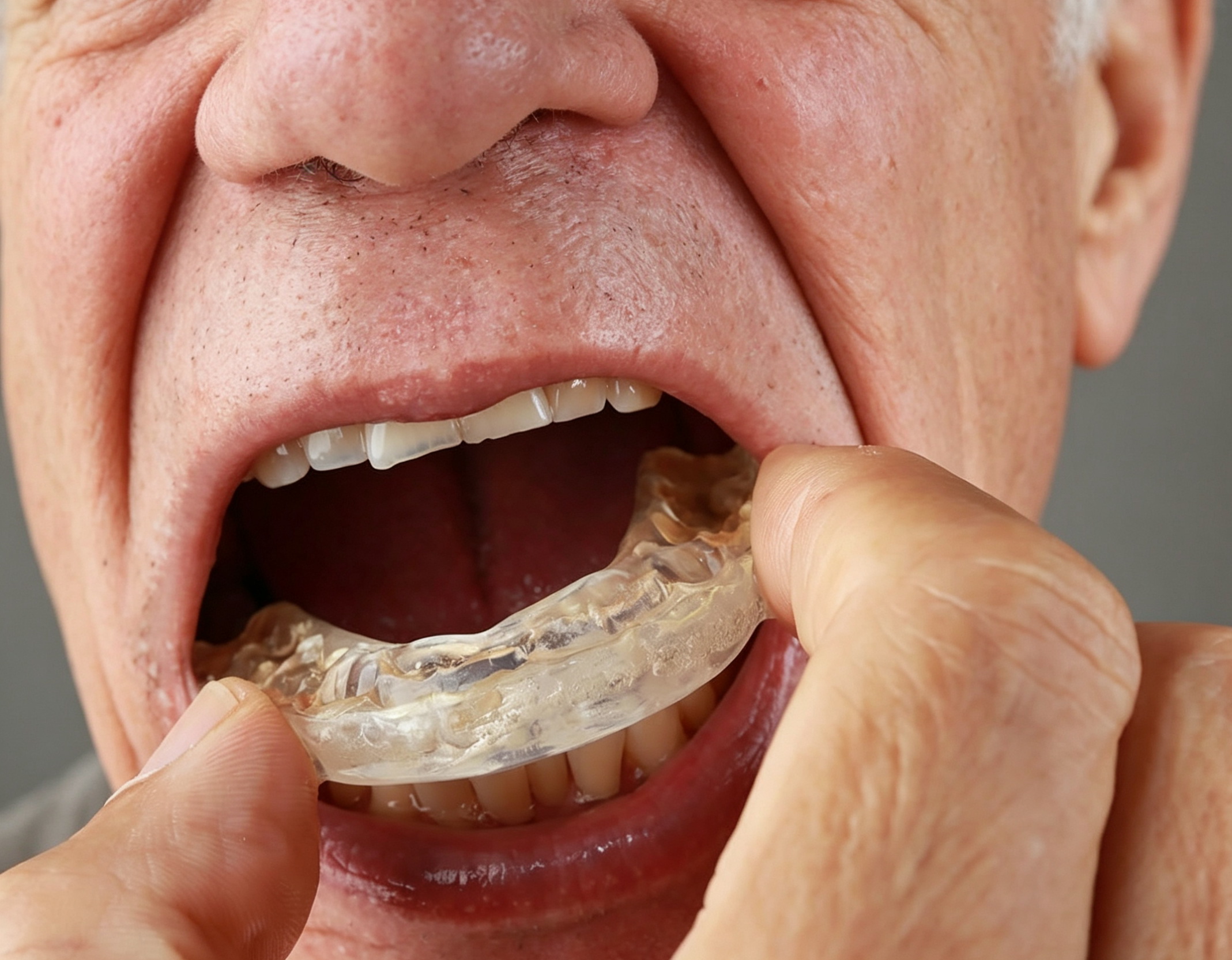
Simultaneous use of maxillary and mandibular guards increases occlusal vertical dimension, which may raise stress on the temporomandibular joint and trigger joint pain, clicking and other dysfunctions. A single maxillary night guard avoids these complications and better conforms to oral physiological anatomy.
4. Psychological and Behavioral Compliance
Patients commonly report less foreign‑body sensation with maxillary guards, making them easier to adapt to. This improves long‑term wearing compliance and maximizes the protective effects of the appliance.