The Hidden Dangers of Dental Bridges for Missing Teeth
The Hidden Dangers of Dental Bridges for Missing Teeth
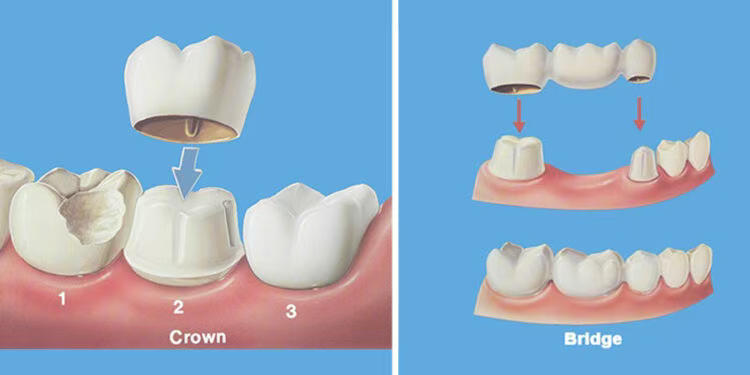
In clinical dental practice, loss of molars is a common oral problem. Many patients avoid dental implants due to fear of surgical pain and opt for pain-free fixed dental bridges instead, a choice frequently seen among foreign patients as well. Although dental bridges can quickly restore dental aesthetics and basic masticatory function in the short term, they pose severe long-term oral health risks and are not a wise choice from a professional perspective.
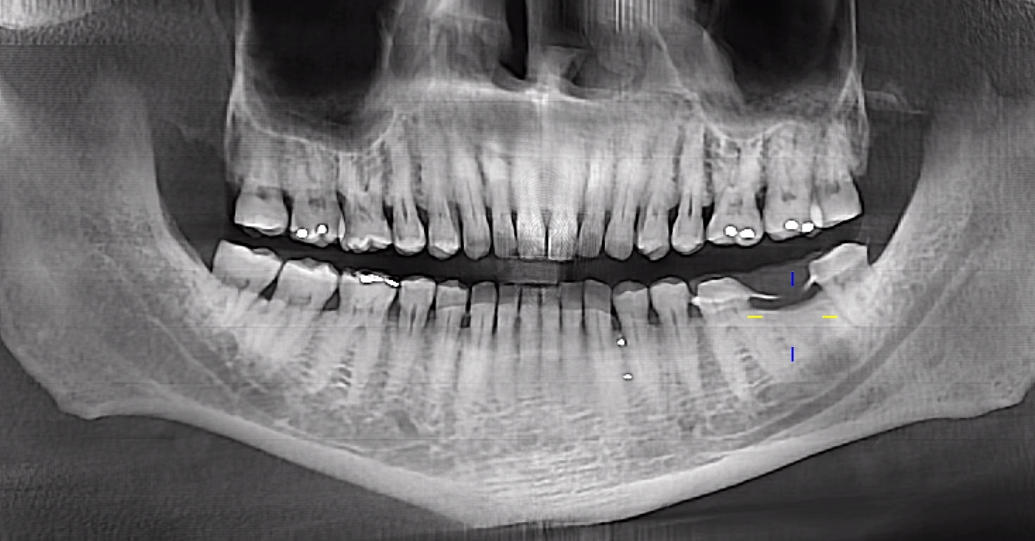
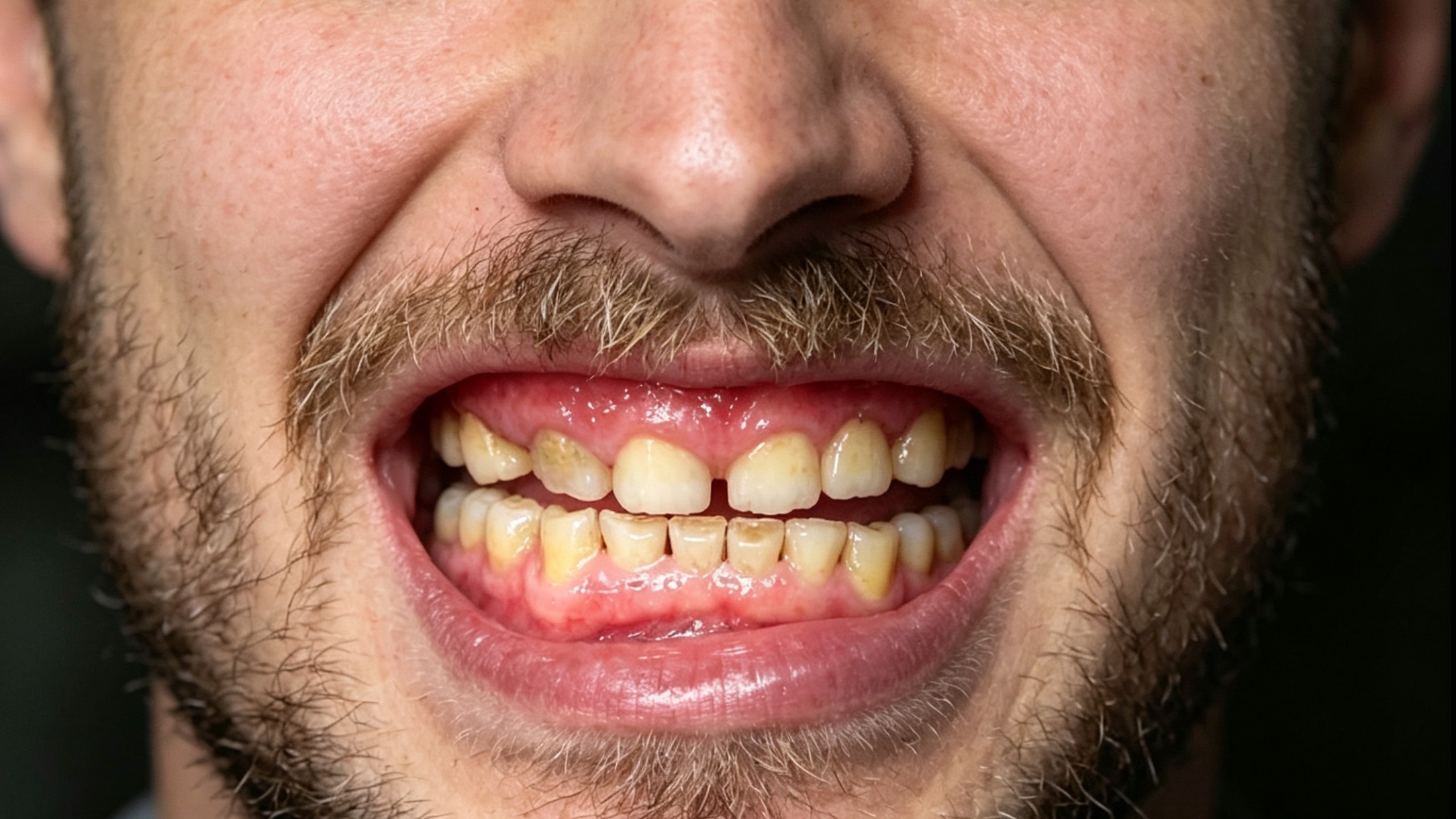
A fixed dental bridge relies on grinding down the adjacent natural teeth on both sides of the edentulous space as abutment teeth to support and fix the prosthetic restoration, which is its biggest drawback. Healthy natural teeth are protected by complete enamel, acting as a natural barrier against bacteria and external damage. To fit the bridge prosthesis, substantial tooth structure of adjacent teeth has to be removed, destroying the original protective layer, heightening dental sensitivity and greatly reducing the disease resistance of the abutment teeth.
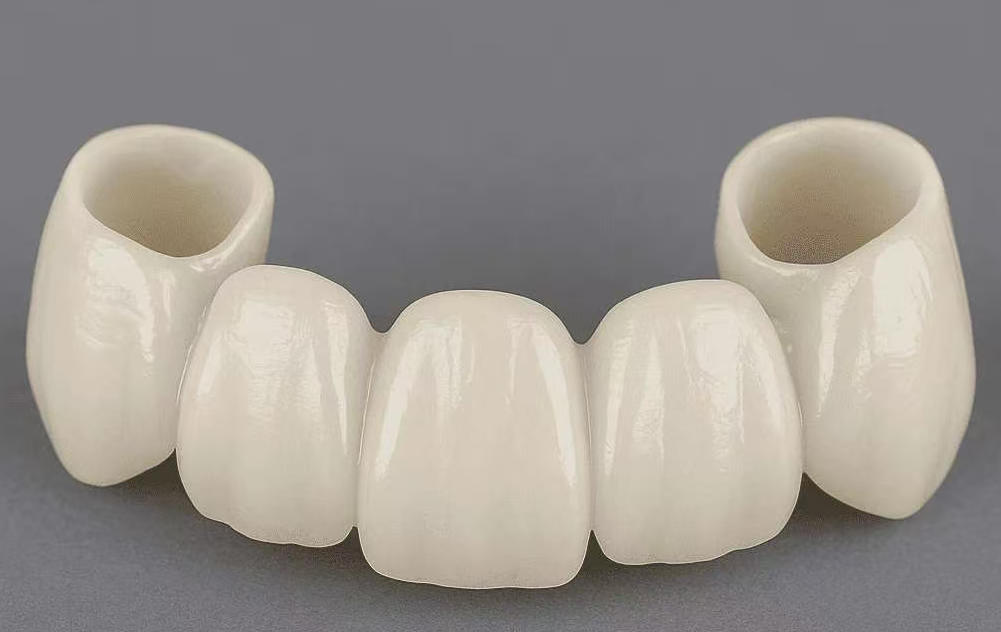
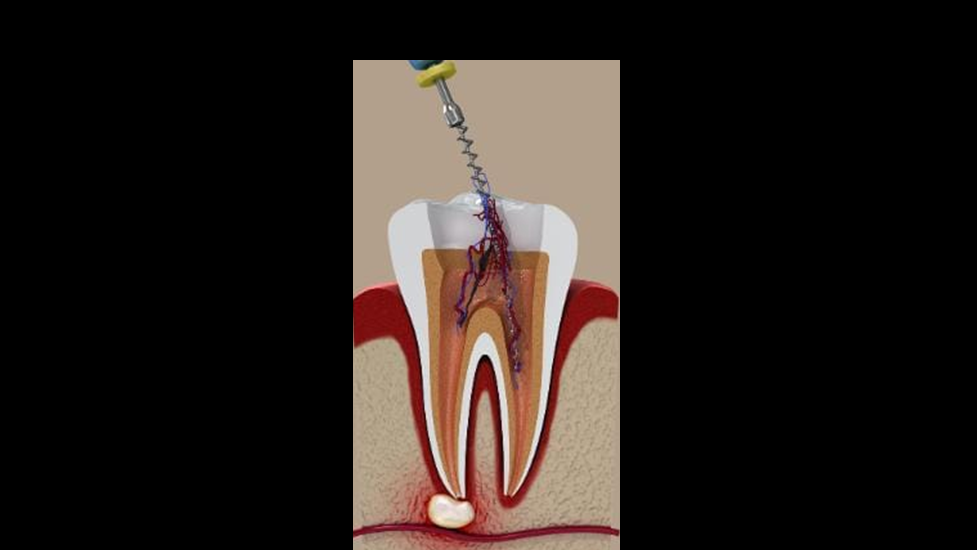
Long-term clinical follow-up cases over a decade have verified that abutment teeth after bridge restoration are prone to progressive lesions. During mastication, concentrated occlusal force continuously burdens the ground abutment teeth, leading to persistent pulp congestion and sub-health conditions. As time passes, patients will develop chronic pulpitis accompanied by dull tooth pain, thermal sensitivity and nocturnal discomfort. Without timely intervention, inflammation spreads to the periapical tissues and triggers apical periodontitis, manifesting as gingival swelling, alveolar bone resorption and tooth loosening.
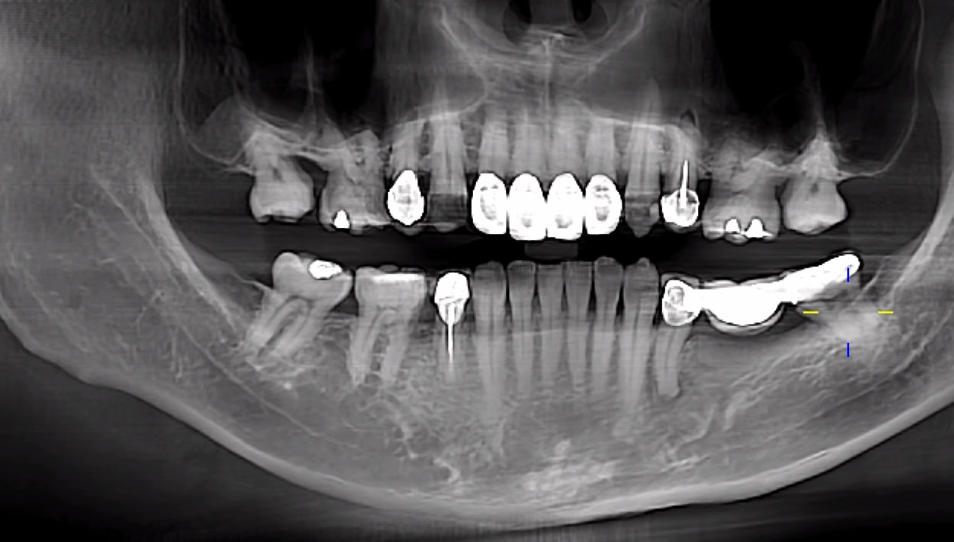
In severe cases, repeated inflammation results in loosening and detachment of the dental bridge, and the originally healthy adjacent teeth become necrotic and have to be extracted. Many patients only suffered from single molar loss initially, yet ended up losing two sound abutment teeth due to improper bridge restoration, and eventually still need dental implant treatment. This not only causes irreversible damage to natural teeth, but also doubles the medical cost and treatment cycle.
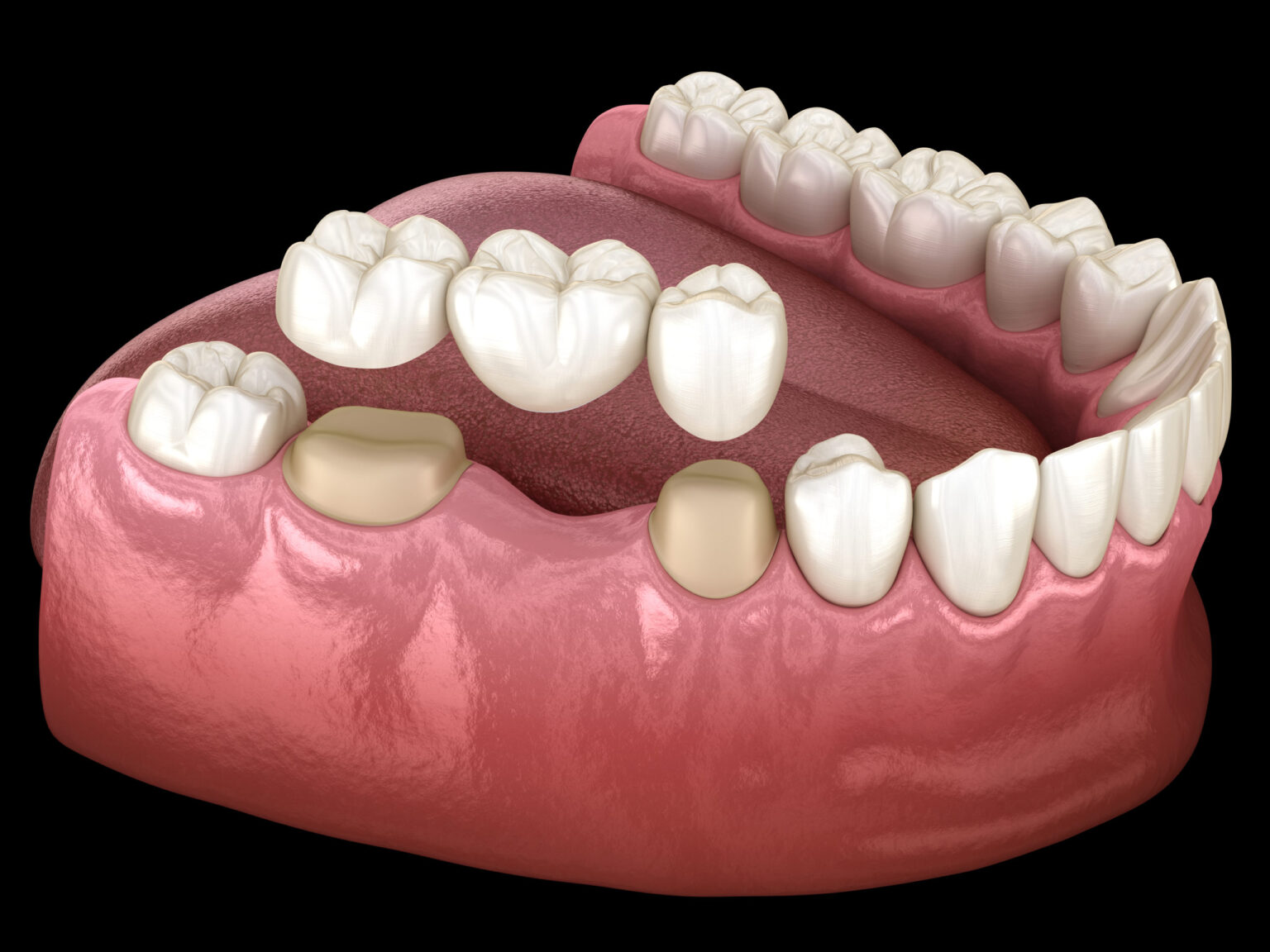
Over the past decade, dental implant technology has become increasingly mature, and minimally invasive implant surgery has greatly reduced operative trauma and pain, making implants far superior to traditional dental bridges in safety and clinical applicability. At Vickong Dental, all dentists and clinical staff consistently popularize scientific tooth restoration knowledge among patients, especially those with missing posterior teeth who have qualified bone conditions for implantation.
All patients are advised to follow professional dentists’ advice on tooth restoration. Except for elderly patients and those with underlying systemic diseases contraindicating implant surgery, patients with adequate implant conditions should prioritize dental implant restoration. Never sacrifice healthy natural teeth out of temporary fear of pain, which will lead to irreversible oral health consequences.