A Dental Implant Is Not "Fit and Forget": Good Maintenance Is What Makes It Last
A Dental Implant Is Not "Fit and Forget": Good Maintenance Is What Makes It Last
A dental implant really can last for decades — but like a natural tooth, it needs to be looked after. The implant screw itself cannot decay, yet the gum and bone holding it in place can still be lost, and that is what actually determines how long your implant serves you.
Here is what the evidence says about implant longevity, the single condition that shortens it most often, and the maintenance routine that protects your investment.
1. How Long Do Dental Implants Actually Last?
Start with the figure everyone asks about. With properly planned and properly placed implants, the reported 10-year survival rate of modern implants is around 93–96%. In plain terms: the great majority of implants remain stable and in function for many years.
But one word deserves attention: survival is not the same as "never has problems". An implant can be present in the mouth while its surrounding gum and bone are quietly deteriorating. How long your implant lasts depends to a large degree on what happens after the surgery — on how you care for it, and on whether problems are caught early.
2. The Number One Threat: Peri-implantitis
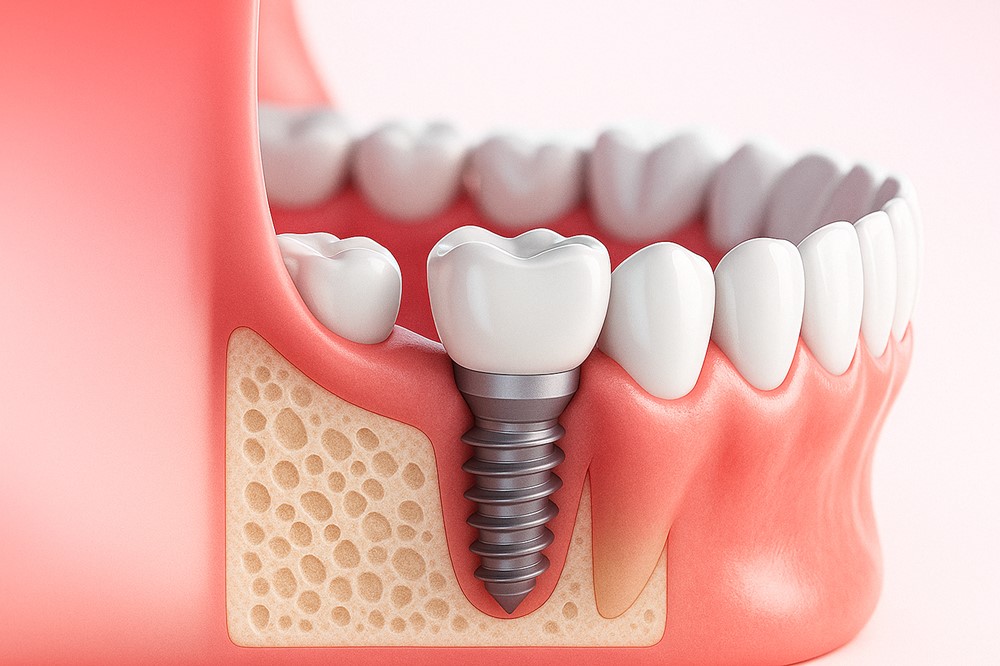
Why do some implants become loose or inflamed within a few years and end up needing removal? In most cases the answer is a condition called peri-implantitis — effectively the implant’s own version of periodontal disease.
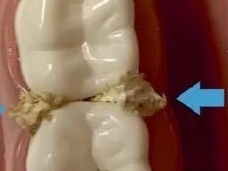
The mechanism is familiar: bacterial plaque and calculus accumulate along the neck and threads of the implant, the surrounding gum becomes inflamed, and the infection gradually erodes the bone that anchors the implant. As the bone support drops, the implant loosens.
Two points from the professional literature are worth knowing:
The 2017 World Workshop (AAP/EFP) formally separated peri-implant mucositis —inflammation of the gum around the implant without bone loss — from peri-implantitis, where bone has already been lost. Plaque is the established cause of both,and untreated mucositis can progress to peri-implantitis.
Reported prevalence of peri-implantitis among implant patients ranges roughly from 10% to 22%, and the risk rises the longer the implant has been in function — which is precisely why maintenance matters more with every year that passes.
The encouraging part: mucositis is largely reversible when caught early. Peri-implantitis, once bone is lost, is far harder to treat. This is the entire argument for regular implant check-ups.
3. Four Habits That Make Your Implant Last Longer
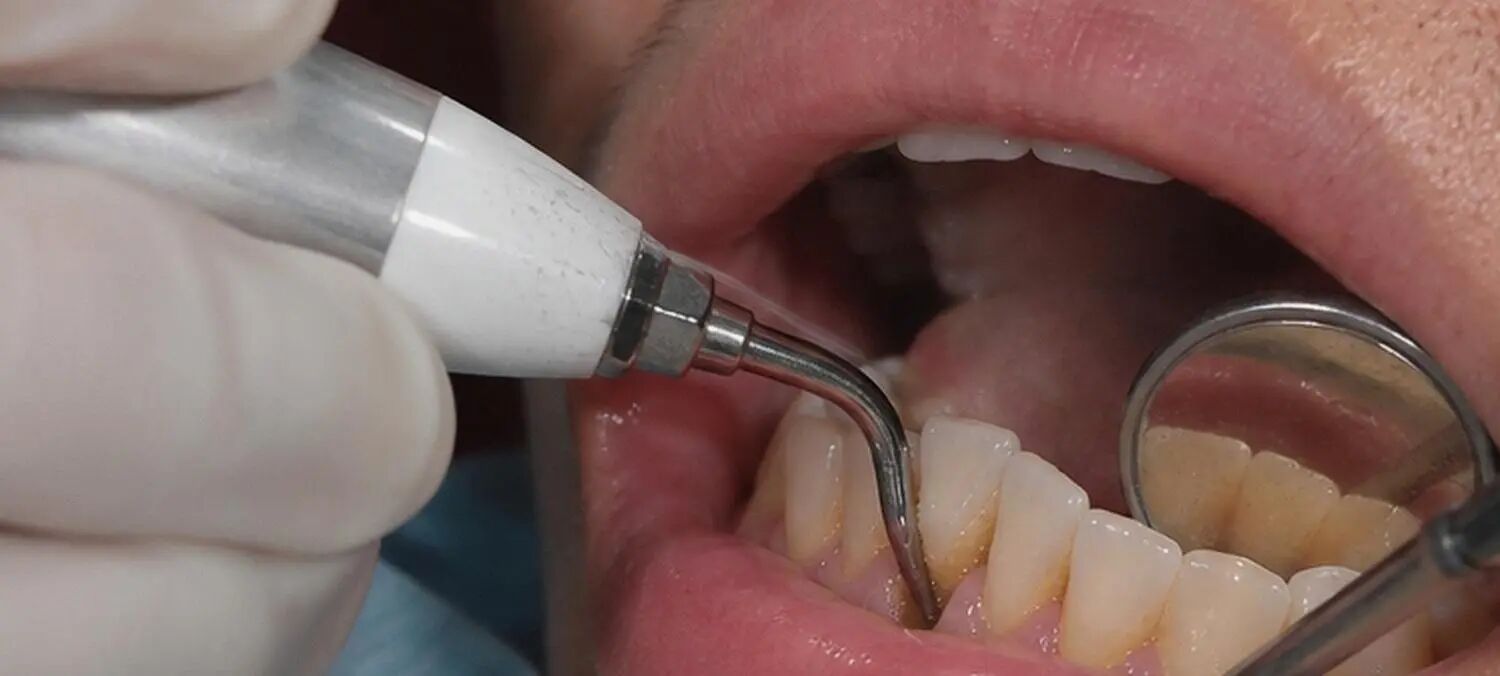
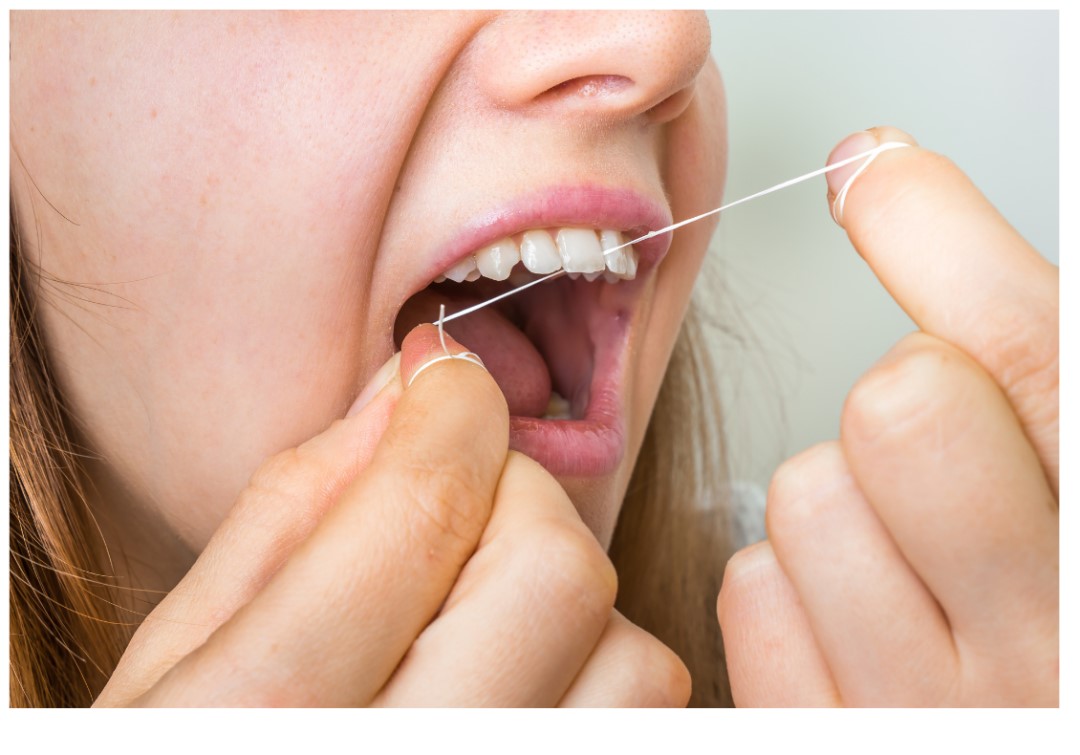
Clean the implant–gum junction every day. Use a soft-bristled brush with a modified Bass technique, and clean the seam where the implant crown meets the gum with floss or an interdental brush. A water flosser (oralirrigator) is a useful addition around implants, but it supplements flossing rather than replacing it.
Stop smoking. Smoking is a well-established risk factor for implant failure and significantly raises the risk of peri-implantitis. It is the single lifestyle change with the biggest return on implant longevity.

Manage your general health. Conditions such as diabetes, when well controlled, are compatible with excellent long-term implant outcomes; poorly controlled diabetes shortens it. Tell your dentist about any changes in your medical history.
Keep your review appointments. This is the critical one. Early peri-implant disease is usually painless — no ache, no wobble, nothing to feel. By the time an implant actually hurts or moves, the bone loss is often already difficult to manage.
4. What the Dentist Actually Checks at an Implant Review
An implant review is not a formality. It typically includes:
Probing depths around the implant, compared with previous records;
Bleeding and suppuration — whether the gum bleeds on probing or shows any discharge;
Radiographic assessment — CBCT or periapical images to measure whether the bone level around the implant has changed;
Occlusal check — whether the bite load on the implant remains balanced.
With CBCT and digital intraoral scanning, early changes can be detected and compared visit by visit. Many patients assume "no pain means everything is fine"; in reality, by the time an implant hurts, treatment is more complex and more costly than what a routine review would have involved.
When to Book a Visit Between Reviews
Contact your dentist promptly if you notice any of the following around an implant:
red, swollen or bleeding gums at the implant site;
discharge or a persistent bad taste from the area;
any sensation that the implant — or the crown on it — has become loose.
Implant outcomes and maintenance results vary from person to person. These symptoms do not mean the implant has failed — but they do mean it should be professionally assessed rather than watched at home.
This article is intended for general patient education and does not replace an individual clinical examination. For implant reviews, peri-implantitis assessment, or any concern about an existing implant, book a consultation at Vickongdental (Wheat).