No Pain from Wisdom Teeth? Why Waiting Can Lead to Severe Oral Health Complications
Many people believe a simple rule: If my wisdom teeth don't hurt, I can just leave them alone.
However, the moment you stay up late, experience high stress, or feel your immune system drop, that quiet tooth can suddenly cause severe gum swelling, intense throbbing pain, and facial swelling that ruins your ability to eat or sleep. Dentists warn: The greatest danger of wisdom teeth isn't acute pain, but the invisible, silent damage they cause over time.
Wisdom Teeth: Evolutionary Relics of the Human Mouth
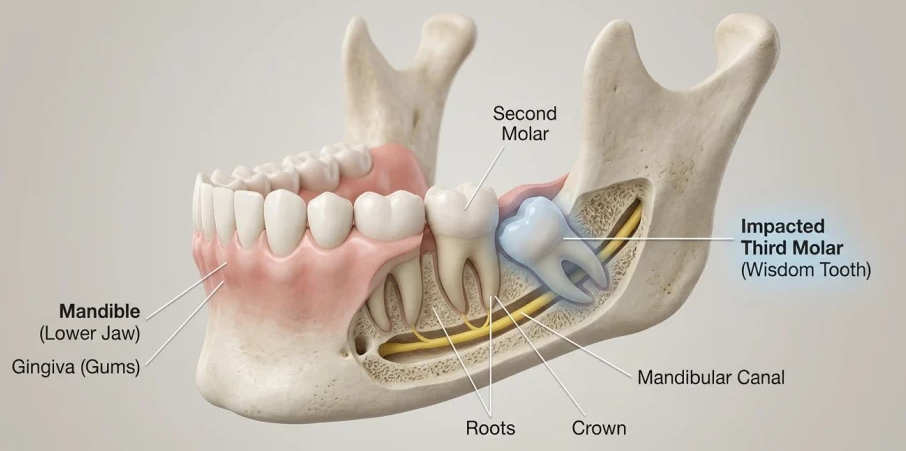
Wisdom teeth, clinically known as third molars, typically erupt between the ages of 17 and 30. In ancient times, early humans consumed coarse, unprocessed foods and possessed broader jawbones; wisdom teeth served as functional spare molars for heavy chewing.
Modern humans, however, consume softer, refined foods. Over time, human jaws have evolved to become smaller, leaving insufficient space in the oral cavity for these extra teeth. Put simply, wisdom teeth are evolutionary remnants—for most people, they serve no functional purpose and frequently create dental complications.
Hidden Dangers of Painless Wisdom Teeth
1. Quietly Destroying Adjacent Healthy Teeth (The Most Critical Risk)
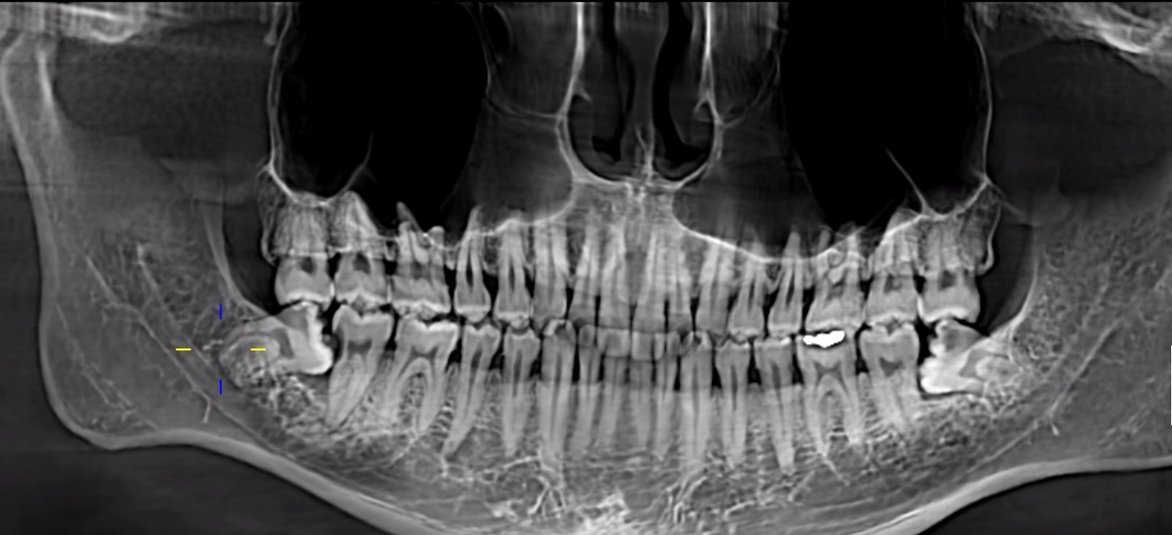
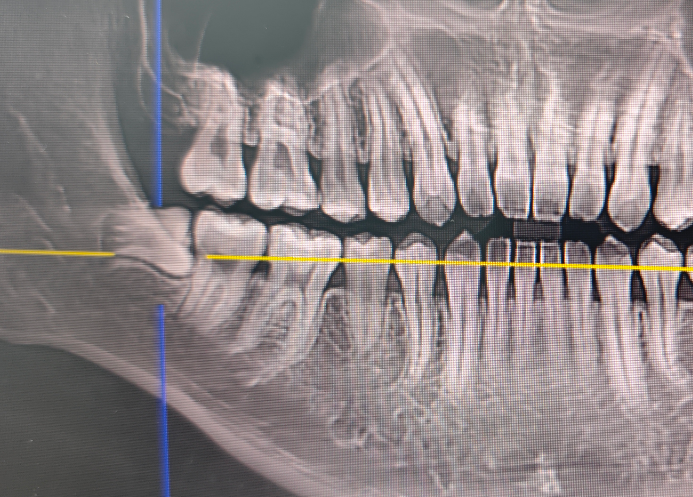
The vast majority of impacted wisdom teeth grow at an angle or horizontally, pushing directly against the roots of adjacent second molars. Over time, this constant pressure erodes the neighbor tooth's enamel and root structure. By the time you feel severe pain, the healthy adjacent tooth may already be irreparably damaged.
2. Recurrent Gum Inflammation (Pericoronitis)
Located in the deepest corner of the mouth, wisdom teeth are difficult to reach with a standard toothbrush. Food debris and bacterial plaque accumulate under the gum flap (operculum). When your immune system weakens due to stress or fatigue, it triggers acute pericoronitis, which can lead to pus formation, severe swelling, and difficulty opening your mouth (trismus).
3. Persistent Halitosis, Cavities, and Tartar Build-up
Because these hard-to-clean blind spots trap bacteria and food particles, microbial fermentation occurs continuously, leading to chronic bad breath (halitosis), deep cavities, and rapid tartar buildup.
4. Occlusal Interference and Temporomandibular Joint (TMJ) Discomfort
A wisdom tooth without a matching opposing tooth in the opposite jaw will over-erupt. This disrupts your natural bite alignment, leading to joint popping (TMJ dysfunction), chewing fatigue, teeth grinding (bruxism), and minor facial asymmetry over time.
5. Silent Jaw Cysts and Bone Resorption
Wisdom teeth completely buried inside the jawbone can slowly induce jaw cysts or localized bone resorption over time. By the time symptoms appear, extensive oral and maxillofacial surgery may be required to repair the bone defect.
Which Wisdom Teeth Should Be Extracted Promptly?
If your wisdom tooth meets any of the following criteria, extraction is strongly recommended:
1.Recurrent Pain & Swelling: Repeated gum inflammation whenever you are stressed or fatigued.
2.Impacted, Angled, or Horizontal Growth: Pushing against neighboring teeth or creating uncleanable traps.
3.Deep Cavities or Structural Decay: Tooth decay positioned too deep to be effectively restored with a filling.
4.Lack of Opposing Tooth: Over-erupted tooth causing bite interference or scraping against cheek tissues.
5.Pre-Pregnancy Planning: Hormonal fluctuations during pregnancy significantly increase the risk of wisdom tooth flare-ups. Because medication and surgical treatment options are limited during pregnancy, extraction prior to conceiving is essential.
6.Orthodontic Requirements: Extraction is often needed to create space for alignment or to prevent post-treatment relapse.
The Only Exception: When Can You Safely Keep a Wisdom Tooth?
Not every wisdom tooth requires extraction. You can safely keep your wisdom tooth only if it satisfies all of the following conditions:
1. Fully and vertically erupted in an upright position without crowding adjacent teeth.
2. Perfect alignment with its opposing partner, creating a functional bite.
3. Completely asymptomatic with healthy surrounding gums and no history of inflammation.
4. Easily cleanable with daily brushing and flossing, with zero food entrapment or decay.
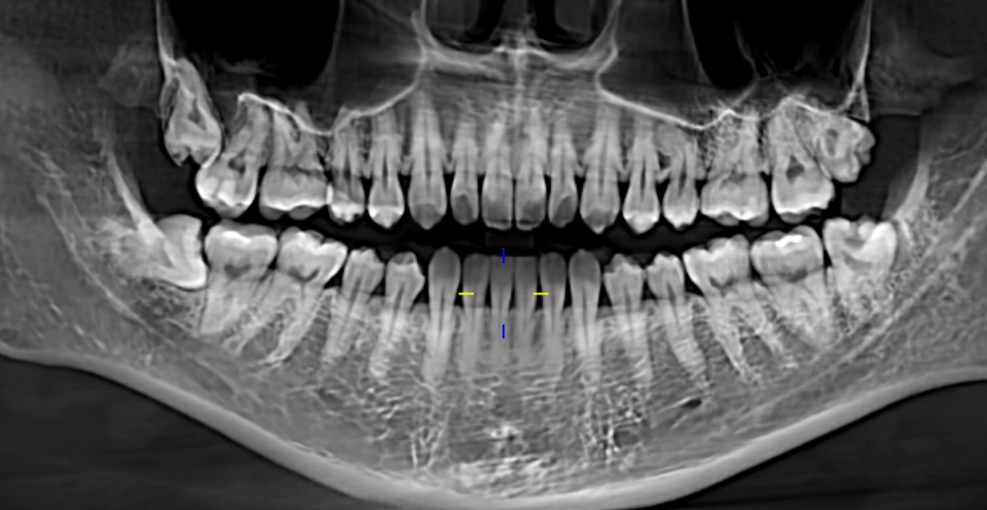
Note: Even if your wisdom tooth qualifies, annual dental X-rays remain necessary. As you age, natural gum recession and widening tooth gaps can turn a previously healthy wisdom tooth into a problem area.
4 Common Misconceptions About Wisdom Teeth
Myth 1: "If it doesn't hurt, it doesn't need to be pulled."
Reality: Pain is an acute symptom, whereas damage to neighbor teeth, cavities, and jawbone resorption occur silently. Countless painless wisdom teeth quietly destroy surrounding oral structures for years before symptoms strike.
Myth 2: "Extraction will shrink my jaw or change my facial shape."
Reality: Wisdom teeth reside deep within the alveolar bone and provide no structural support for facial contours. Extraction does not alter bone frame or cause facial sagging. Short-term post-op thinness is simply the resolution of surgical swelling.
Myth 3: "You need a physically strong surgeon to pull wisdom teeth."
Reality: Modern dentistry relies on minimally invasive extraction techniques. Using specialized micro-instruments and surgical technique—rather than raw force—results in less trauma, minimal bleeding, and faster healing.
Myth 4: "Older adults don't need wisdom tooth extractions."
Reality: Older adults actually face higher risks of pericoronitis and damage to neighbor teeth. Delaying treatment only increases surgical difficulty and slows healing. Early intervention remains the safest choice.
Take a Proactive Approach to Your Oral Health
Wisdom teeth are often unnecessary burdens in modern oral health. Their most deceptive trait is lulling you into a false sense of security with temporary silence, all while quietly eroding adjacent teeth and jawbone health.
True oral wellness isn't about treating pain after it strikes—it's about early screening and proactive prevention.
Unsure about the health of your wisdom teeth?
Contact our clinic today to schedule a comprehensive digital X-ray screening and oral evaluation with our dental specialists.