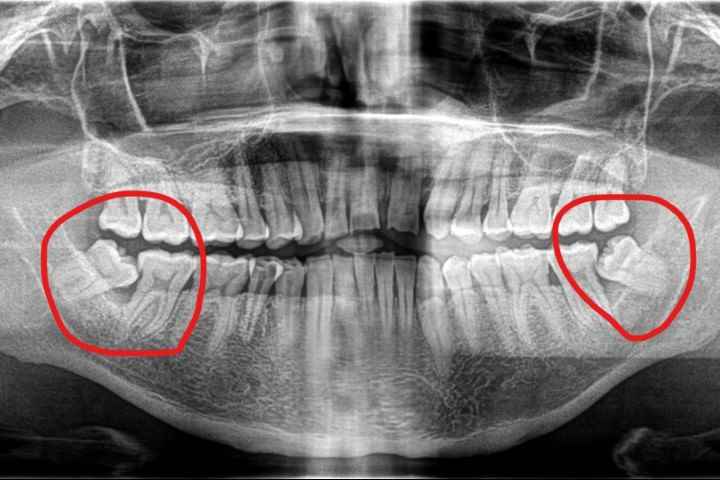
Gaps Between Your Teeth Look Bigger After Scaling? It Is Not Because the Cleaning Damaged Them
Many patients leave the dental chair with no complaint at all — then run their tongue along their teeth on the way home and notice that the spaces between them suddenly feel wider. Some look in the mirror and see a small dark triangle where two teeth used to meet, and conclude that the scaling must have damaged their teeth.
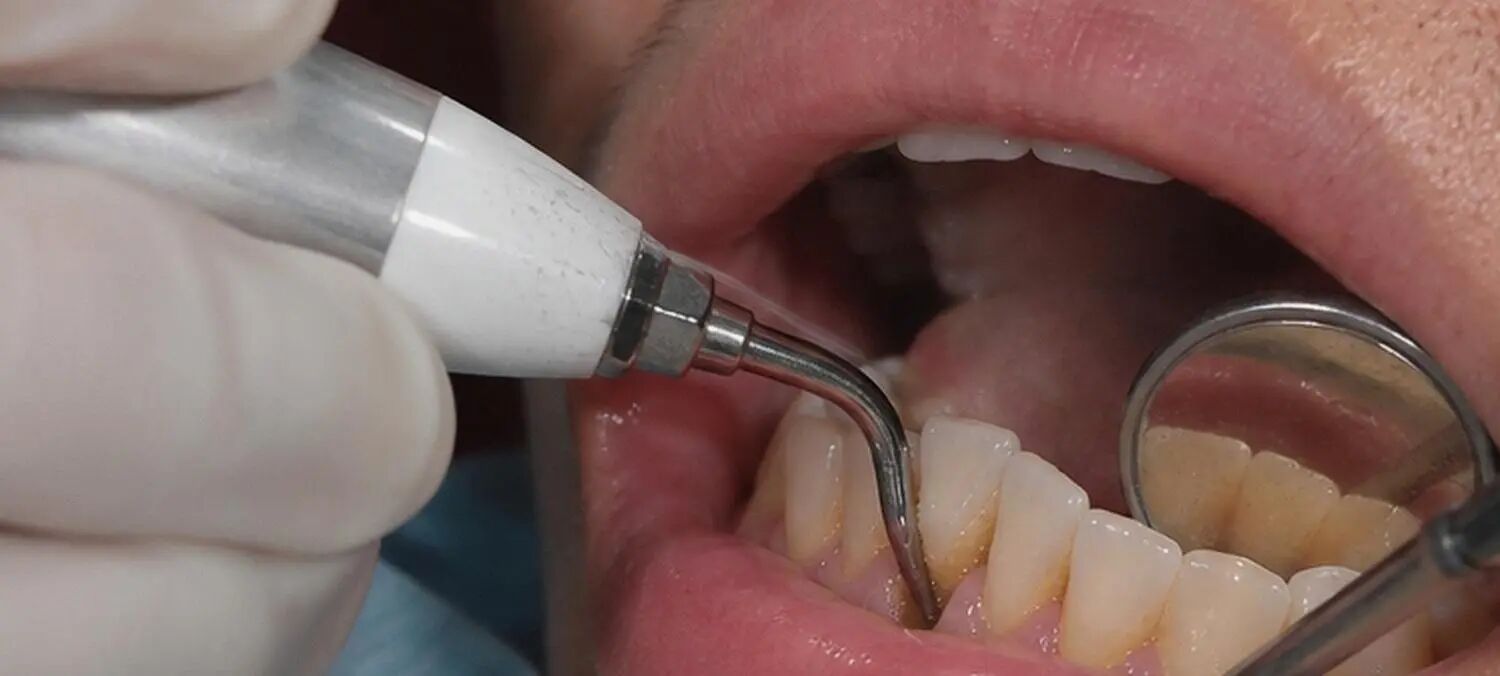
This is one of the most common concerns raised in dental clinics in Hong Kong, and it almost always rests on a misunderstanding of what scaling actually does. A professional clean does not create gaps. It removes the tartar and gum swelling that were hiding spaces which were already there.
Here is what really happens during scaling and polishing, why the gaps become visible afterwards, and what it tells you about the health of your gums and the bone supporting your teeth.
1. Scaling Does Not Grind Away the Tooth Surface
Scaling — whether carried out with an ultrasonic scaler, hand instruments, or both — removes bacterial plaque and hardened calculus (tartar) from the crown of the tooth and from the gingival sulcus, the shallow groove between the tooth and the gum. It does not file, sand or thin the enamel.
When the procedure is performed correctly, the instruments work on deposits sitting on the tooth, not on the tooth itself. The slightly rough feeling you may notice with your tongue afterwards is usually the natural surface of enamel or root that has been buried under calculus for months or years. It smooths over within a few days, and any mild sensitivity normally settles within one to two weeks.
So if scaling is not removing tooth structure, why do the gaps look so much larger?
2. Why the Gaps Become Visible After Scaling
The answer lies in what was occupying those spaces before your appointment, and in the condition of the gums around them.
Tartar was filling the space
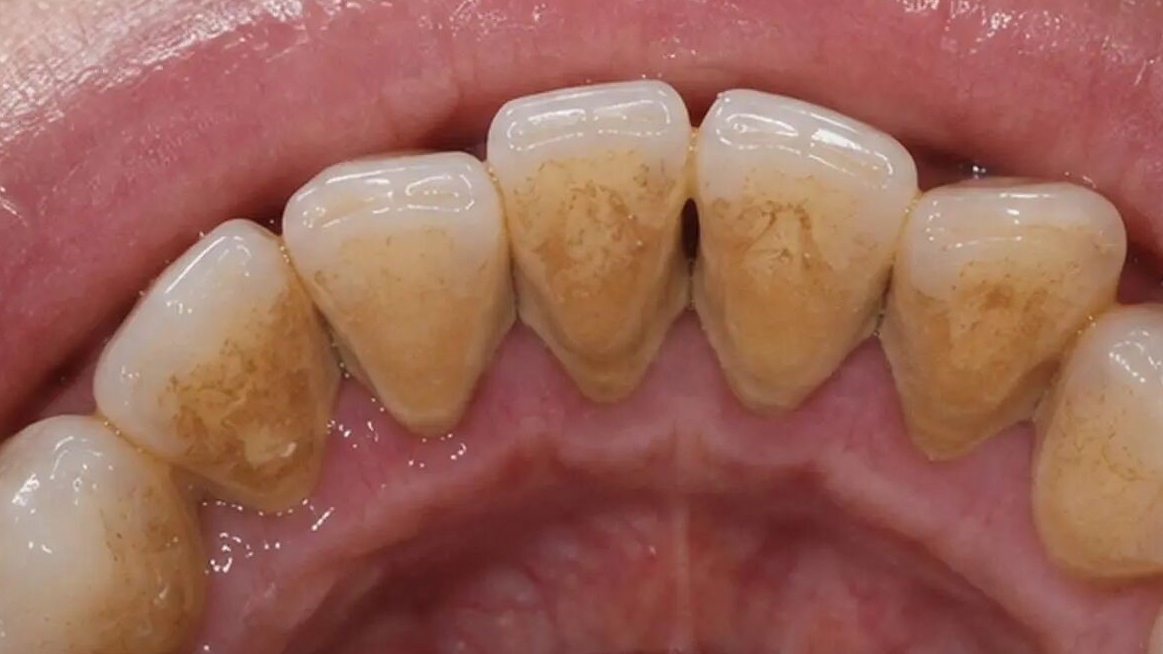
In patients with heavy calculus build-up — particularly between adjacent teeth and along the gum margin — those deposits fill the interdental space. Because the space has been filled for so long, you simply stop registering it as a gap, and the teeth feel tight and continuous to the tongue.
Once that tartar is removed, the space it occupied is empty again. Nothing new has been created; a pre-existing interdental space has been uncovered. In some cases the calculus was also bridging the gap and physically splinting the teeth together, which is why a few patients report that their teeth feel slightly "loose" for a short period afterwards.
Swollen gums were masking the gap
The second mechanism is gingival inflammation. When gums are chronically irritated by plaque and calculus, they become red, swollen and prone to bleeding. Inflamed gum tissue is bulkier than healthy tissue, and that extra volume encroaches on the embrasure between the teeth, partly filling it.
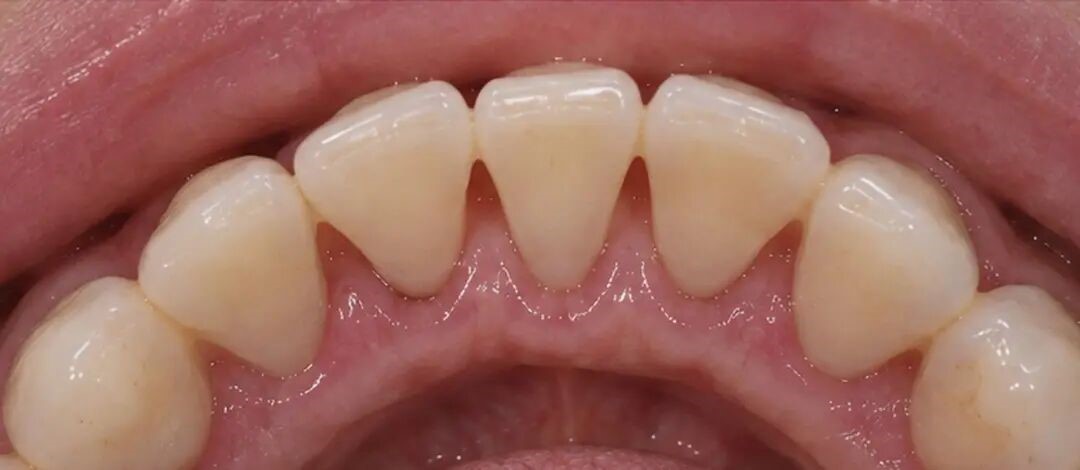
Once the irritant is removed, the inflammation resolves and the gums shrink back to their normal contour over the following one to two weeks. The space that the swollen tissue occupied becomes visible. From the patient’s point of view the gap has "opened up"; clinically, the gum has simply returned to its real size.
What scaling changes — and what it only reveals | |
What patients assume | What actually happens |
The scaling widened the space between the teeth | Tartar and swollen gum tissue that occupied the space were removed, so the existing space became visible |
Enamel was scraped away | Only plaque and calculus were removed; enamel thickness is unchanged |
The cleaning loosened the teeth | Mobility caused by reduced bone support becomes apparent once calculus no longer splints the teeth together |
Healthy gums shrank | Inflamed gums returned to normal contour, and any pre-existing recession became visible |
3. Visible Gaps Do Not Mean Your Gums Are Healthy
There is a more important question behind the first one: if the gaps have appeared, does that mean the gums are now healthy?
Not necessarily. Some patients already have periodontitis before the appointment. In periodontal disease, the alveolar bone supporting the teeth has already resorbed, and the gum margin has migrated down the root — the gums have receded, exposing part of the root surface. Because calculus was covering the area and the tissue was swollen, none of this was easy to see.
After scaling, the tartar is gone and the swelling has subsided, so the true picture becomes visible: exposed root surfaces, open embrasures, and in some cases periodontal pockets that need to be probed and measured.
This is the key point. Scaling did not cause the gaps. It revealed the state your periodontal tissues were already in. A cleaning is a diagnostic opportunity as much as a treatment — it shows both you and your dentist what has been happening underneath the deposits.
4. Can the Gaps Close Again?
Sometimes, partly. It depends entirely on the cause.
If the change was only gum inflammation: once the swelling settles, the interdental papilla re-adapts to the tooth surface and the embrasure looks much closer to normal. Nothing has been damaged, and nothing more is needed beyond good daily hygiene.
If there is genuine attachment loss and gum recession: the papillae and bone do not regenerate on their own. The gap will not return to i s previous appearance simply because the scaling happened, and it will certainly not close by allowing tartar to build up again.
What matters at this stage is not how to hide the gap, but whether the periodontal tissues are healthy. If bleeding on brushing persists, if food consistently traps between the same two teeth, or if a tooth feels mobile, you need a periodontal examination — including probing depths and radiographs — to check for periodontitis and to establish whether treatment beyond a routine scaling is required.
Aesthetic options for open embrasures and “black triangles” do exist, including orthodontic space closure, composite resin masking and veneers. These are reasonable once the gums are stable and disease has been controlled — never as a substitute for treating the underlying problem.
5. What to Do After Scaling
Keep brushing properly. Use a soft-bristled brush with a modified Bass technique, angling the bristles 45 degrees towards the gum margin and cleaning along the gum line of every tooth.
Clean between the teeth daily. Where the embrasures are open, choose an interdental brush that fits snugly without forcing — a gap that has just become visible often needs a larger size than patients expect. Floss remains appropriate where contacts are tight.
Do not skip future appointments. Recall intervals are usually six months for healthy patients and three to four months for those with a history of periodontitis, based on individual risk and pocket depth.
Report bleeding, food impaction or mobility. Bleeding that persists beyond two weeks, recurrent food trapping, or a tooth that moves are all indications for a periodontal review rather than reassurance.
Address risk factors. Smoking, poorly controlled diabetes and untreated bruxism all accelerate attachment loss and make recurrence more likely.
Key Takeaways
Scaling and polishing removes plaque and calculus; it does not remove enamel or widen the spaces between teeth.
Gaps usually become visible because tartar was filling them and inflamed gums were covering them.
Visible gaps, exposed roots and black triangles can indicate pre-existing gum recession and bone loss — not damage from the cleaning.
Gaps caused by inflammation alone improve as the gums heal; gaps caused by attachment loss will not close by themselves and should be scaling out of fear of “bigger gaps”allows gum disease to progress silently, and the eventual treatment is far more involved than the change in appearance.
Frequently Asked Questions
Does scaling widen the gaps between teeth?
No. Scaling removes deposits from the tooth surface and gum margin. The space between teeth is determined by tooth position, gum contour and bone support — none of which scaling alters.
Is it normal for gaps to look bigger right after a cleaning?
Yes, it is common and expected, especially if you had heavy tartar or inflamed gums. The appearance usually settles within one to two weeks as the tissue heals and your tongue adapts to the new surface texture.
Will the gaps close on their own?
If the change was caused by gum swelling, the embrasure will look much closer to normal once the inflammation resolves. If the cause is gum recession or alveolar bone loss, the gap will not close spontaneously.
What are the black triangles between my teeth?
A black triangle is an open embrasure where the interdental papilla no longer fills the space between two teeth. It commonly follows gum recession, bone loss or a change in tooth contact, and it is a cosmetic and hygiene concern rather than evidence that a tooth has been damaged.
Can scaling loosen teeth?
No. If a tooth feels mobile afterwards, the mobility was already present because of reduced bone support; the calculus had been acting as a temporary splint. This is one reason a periodontal assessment matters after the cleaning.
How often should I have scaling done in Hong Kong?
Most patients with healthy gums need scaling and polishing every six months. Patients with periodontitis, smokers, and those with diabetes or a history of bone loss are usually reviewed every three to four months.
This article is intended for general patient education and does not replace an individual clinical examination. If you have bleeding gums, persistent food impaction, mobile teeth, or open embrasures that concern you, book a periodontal assessment at Vickong Dental], [Wheat], Hong Kong.