Dental Implant Healing Cap
Dental Implant Healing Cap (Cover Screw)
dental implant surgery
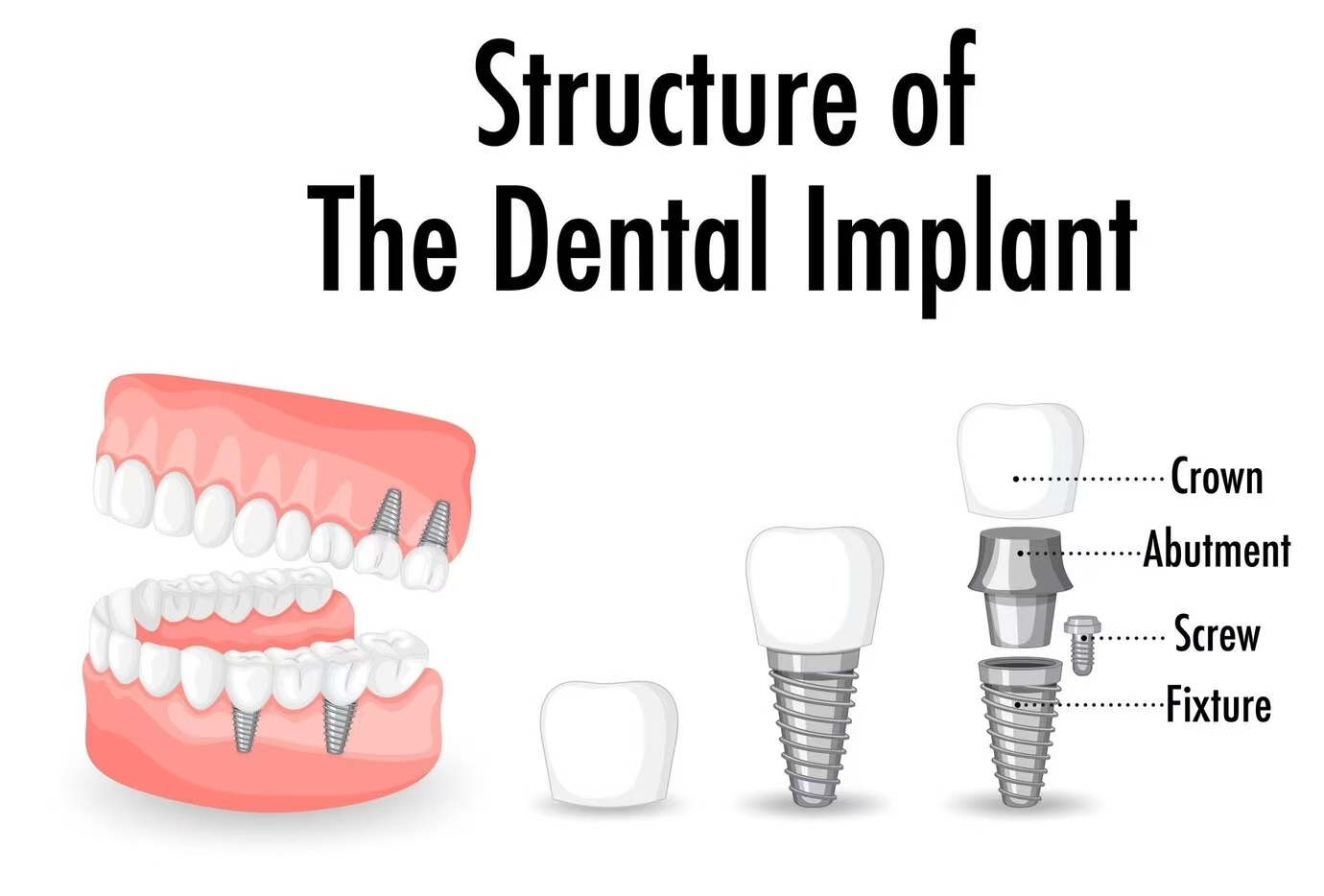
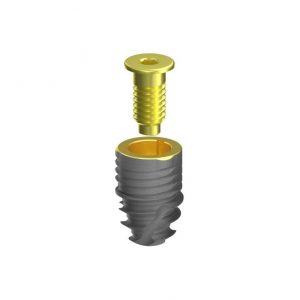
The cover screw is another critical temporary component in , whose function is corresponding yet completely different from the healing abutment mentioned previously.
Core Function in One Sentence
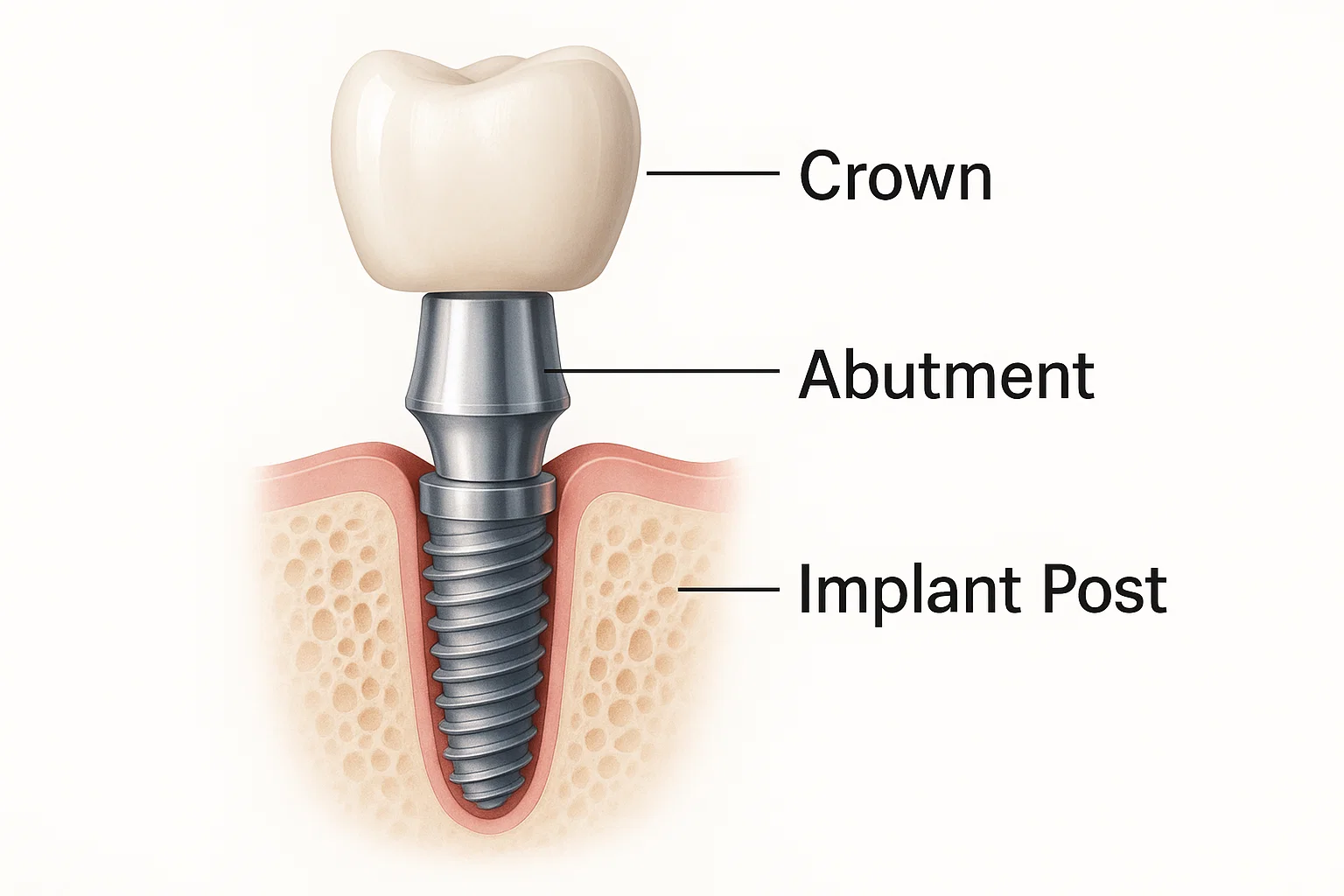
The cover screw acts as a "sealing cap", and its sole mission is to fully seal the internal cavity of the implant after its placement, isolating it from the oral cavity, thereby creating an undisturbed, quiet and sterile healing environment for the implant within the jawbone.
You can regard it as the "built-in protective cap" of the dental implant.
Detailed Functional Analysis
Absolute Sealing & Contamination Prevention
This is its primary function. The cover screw is tightly screwed into the internal thread at the top of the implant, forming a physical seal. This effectively prevents saliva, food debris, bacteria and other contaminants from entering the internal channel of the implant from the oral cavity, thus avoiding internal infection and subsequent impairment of osseointegration.
Ensuring Undisturbed Osseointegration
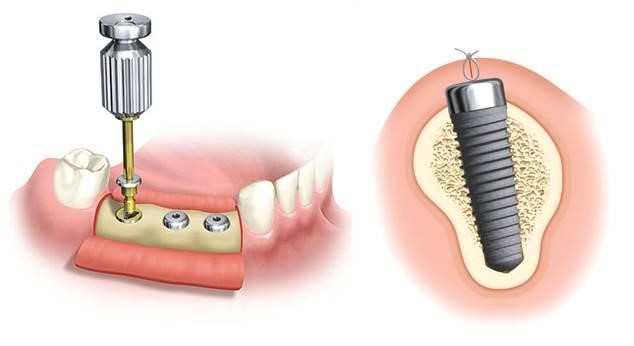
In the two-stage surgical approach, after implant placement, the dentist will directly suture the gingiva, fully submerging the implant beneath the gingival tissue and alveolar bone. The cover screw ensures that the submerged implant is completely isolated from the external environment during the healing period (usually 3–6 months). Just like a "seed buried in soil", the implant can undergo stable osseointegration with the alveolar bone without any interference.
Maintaining Cleanliness of the Implant Internal Channel
It preserves a sterile and clean interface for subsequent surgical procedures. When it is time to place the superstructure (healing abutment or definitive abutment), the dentist only needs to re-incise the gingiva, remove the clean cover screw, and then directly connect the abutment.
Key Comparison: Cover Screw vs. Healing Abutment
This is the key to understanding their differences:
Characteristics | Cover Screw | Healing Abutment |
Application Stage | Post first-stage surgery, applicable to the two-stage approach | Placed during the second-stage surgery, or used in immediate restoration of the one-stage approach |
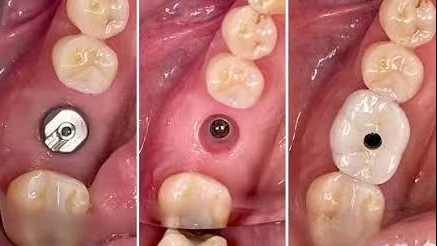
Relationship with Gingiva | Fully located beneath the gingiva, completely covered by gingival tissue | Penetrates the gingiva, with part exposed in the oral cavity |
Core Function | Sealing, isolation and protection; creating a sterile environment for osseointegration | Guiding, shaping and maintaining the channel; forming the gingival contour for the restoration |
Patient Sensation | No components visible or palpable in the oral cavity during healing, as if no surgery was performed | A metallic "peg" protruding from the gingiva can be felt in the oral cavity during healing |
Final Disposal | Permanently removed during the second-stage surgery and replaced by a healing abutment or definitive abutment | Removed during impression taking or prosthetic delivery and replaced by a definitive abutment |
Summary
In simple terms, the cover screw is used in the "submerged healing" stage, while the healing abutment is applied in the "transgingival shaping" stage. Based on factors such as the surgical protocol (one-stage or two-stage), bone quality and aesthetic requirements, the dentist decides whether to install a cover screw (for submerged healing) or directly place a healing abutment (for transgingival emergence) after implant placement.
Now you can clearly understand: the cover screw is the "protective gate" when the implant undergoes "isolated osseointegration" within the jawbone, while the healing abutment serves as the bridge and mold connecting the implant to the external oral environment after it completes osseointegration.