Clinical Decision Analysis of Retaining Pulpitis-Affected Teeth versus Dental Implant Restoration
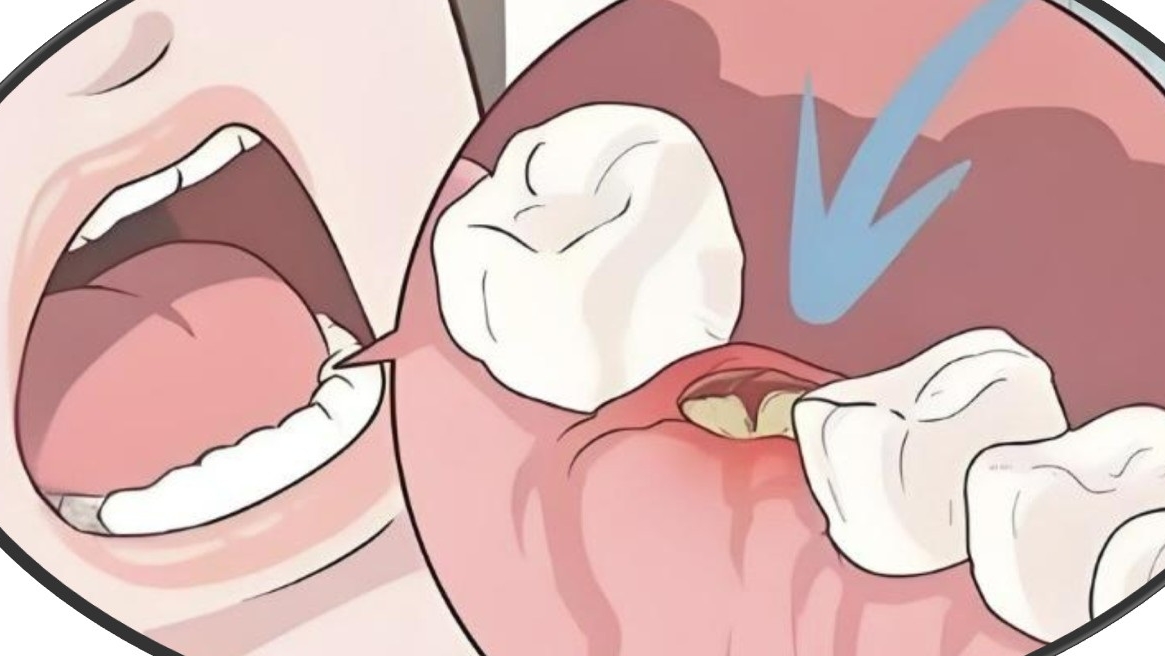
In clinical diagnosis and treatment, many patients who seek medical attention due to severe toothache often directly request tooth extraction, yet they lack awareness of pulpitis—a common underlying cause—and the feasibility of retaining the affected tooth.
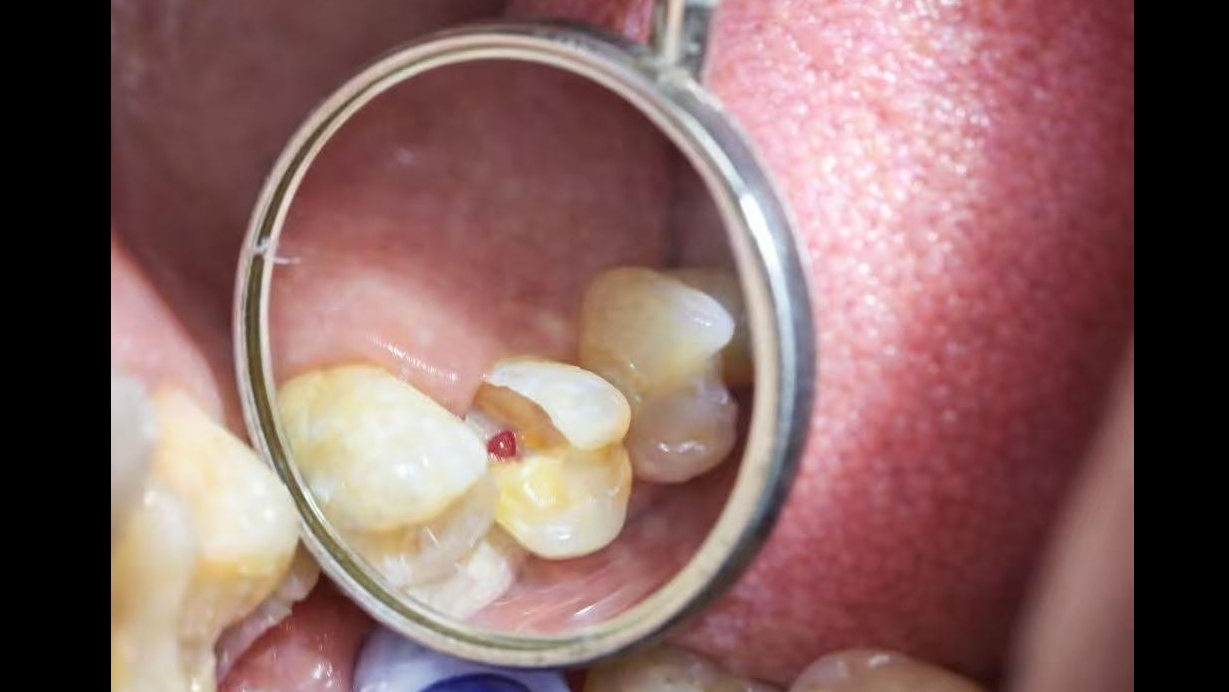
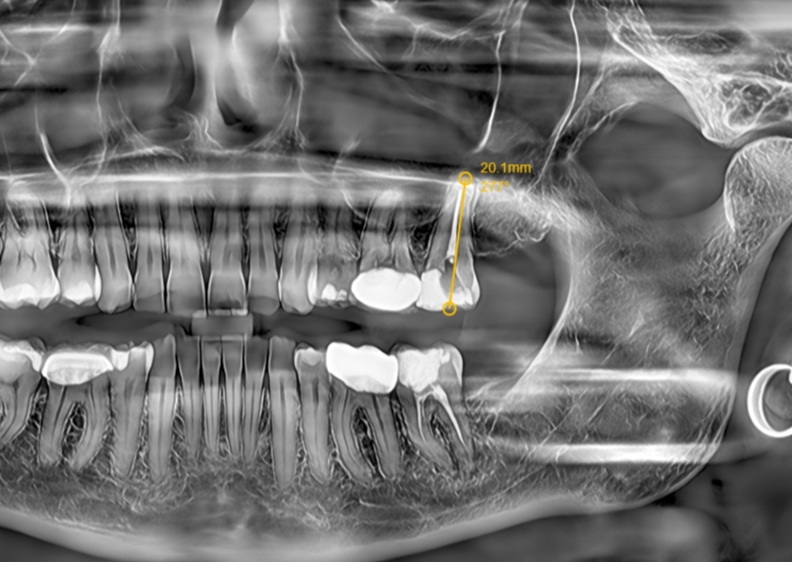
As a specialized masticatory organ, the tooth possesses dual sensory functions: first, the dental pulp nerve located within the pulp cavity, which can accurately perceive external stimuli such as sourness, sweetness, cold, and heat; second, the periodontal ligament surrounding the root surface, which is capable of sensitively detecting masticatory pressure and providing feedback to regulate occlusal force. When the dental pulp becomes infected and develops pulpitis, there is no need for hasty tooth extraction. Root canal therapy (RCT) is the preferred treatment modality for preserving the affected tooth. This procedure thoroughly removes the infected and necrotic pulp tissue, followed by disinfection and obturation of the root canal system, which can effectively eliminate pain and preserve the physiological functions of the tooth. Even though the treated tooth loses the ability to sense temperature and taste stimuli, the periodontal ligament can still normally transmit occlusal force signals, ensuring the fulfillment of masticatory functions. Clinical data indicate that with proper oral hygiene maintenance and necessary coronal restoration, the service life of teeth after root canal therapy can exceed 10 years, and some teeth can even maintain normal function for more than 20 years.

In contrast, dental implant restoration after tooth extraction can restore the masticatory hardness of the tooth, and the implant can form a stable osseointegration with the jawbone. However, dental implants have an inherent physiological limitation—they lack the pressure-sensing mechanism of the periodontal ligament. Patients cannot precisely control the magnitude of occlusal force during mastication; excessive occlusal force is prone to induce peri-implant bone resorption and loosening, ultimately leading to implant failure. In addition, the long-term survival of dental implants is highly dependent on rigorous postoperative maintenance, including professional cleaning care and regular follow-up examinations, making their maintenance significantly more challenging than that of natural teeth after root canal therapy.
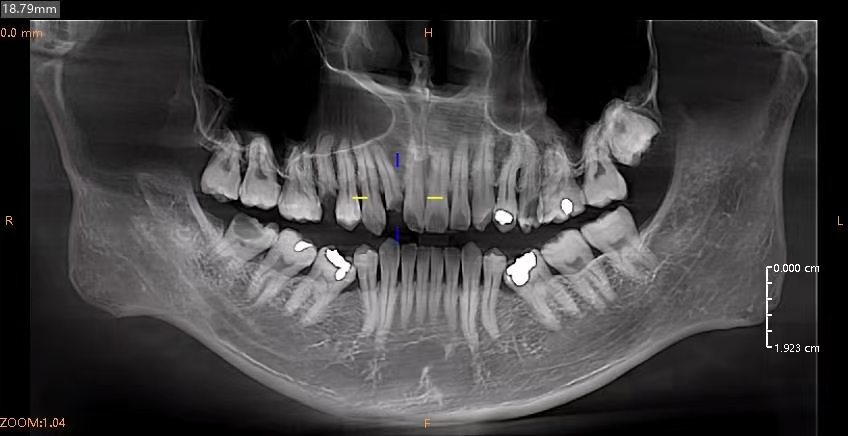
Therefore, in clinical practice for pulpitis-affected teeth, root canal therapy should be prioritized to preserve natural teeth. Dental implant restoration should only be considered when the affected tooth is severely damaged and cannot be retained via root canal therapy. Furthermore, it is essential to fully inform patients of the advantages, disadvantages, and postoperative maintenance requirements of both treatment modalities.