Prevention of Dry Socket
Prevention of Dry Socket
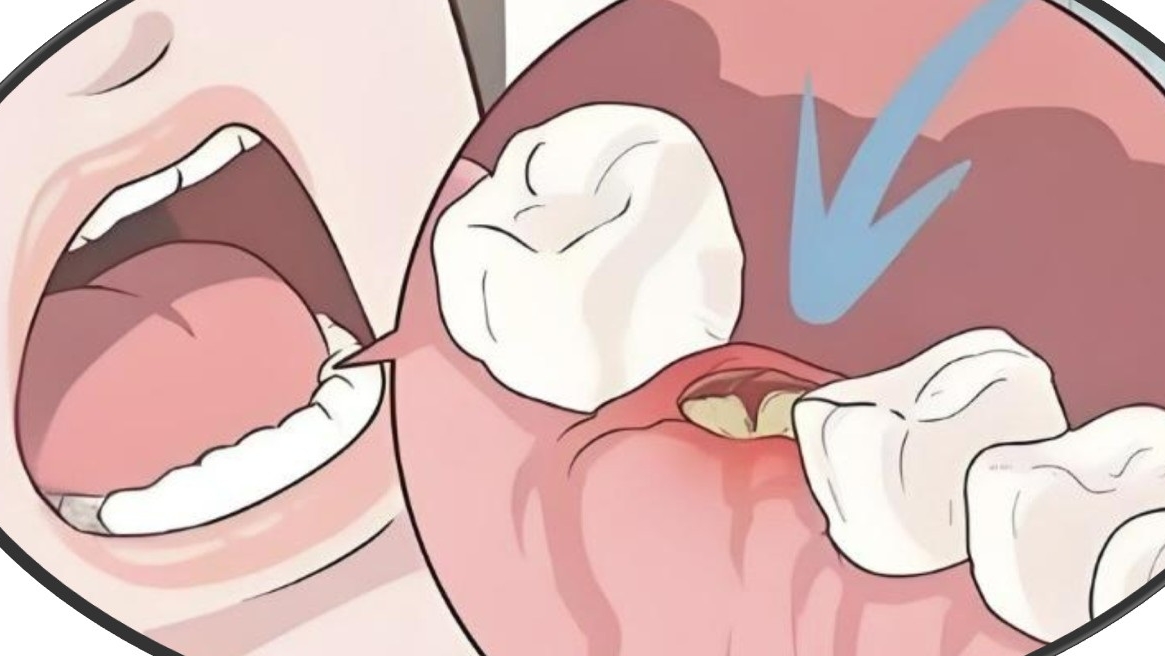
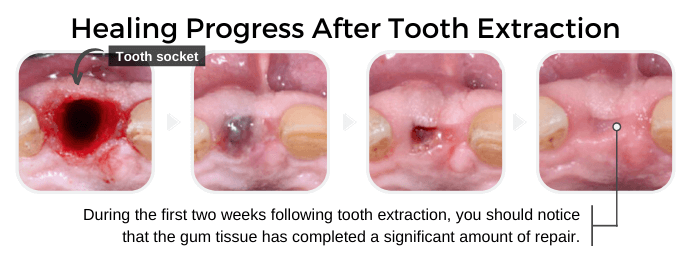
Dry socket is a relatively severe complication following tooth extraction. Although its incidence rate is low (approximately 1%–5%), once it occurs, the pain intensity is comparable to "exposure of the dental pulp without protection". Today, we will reveal the true features of this condition, and tell you: how to prevent it? What to do if it unfortunately occurs?
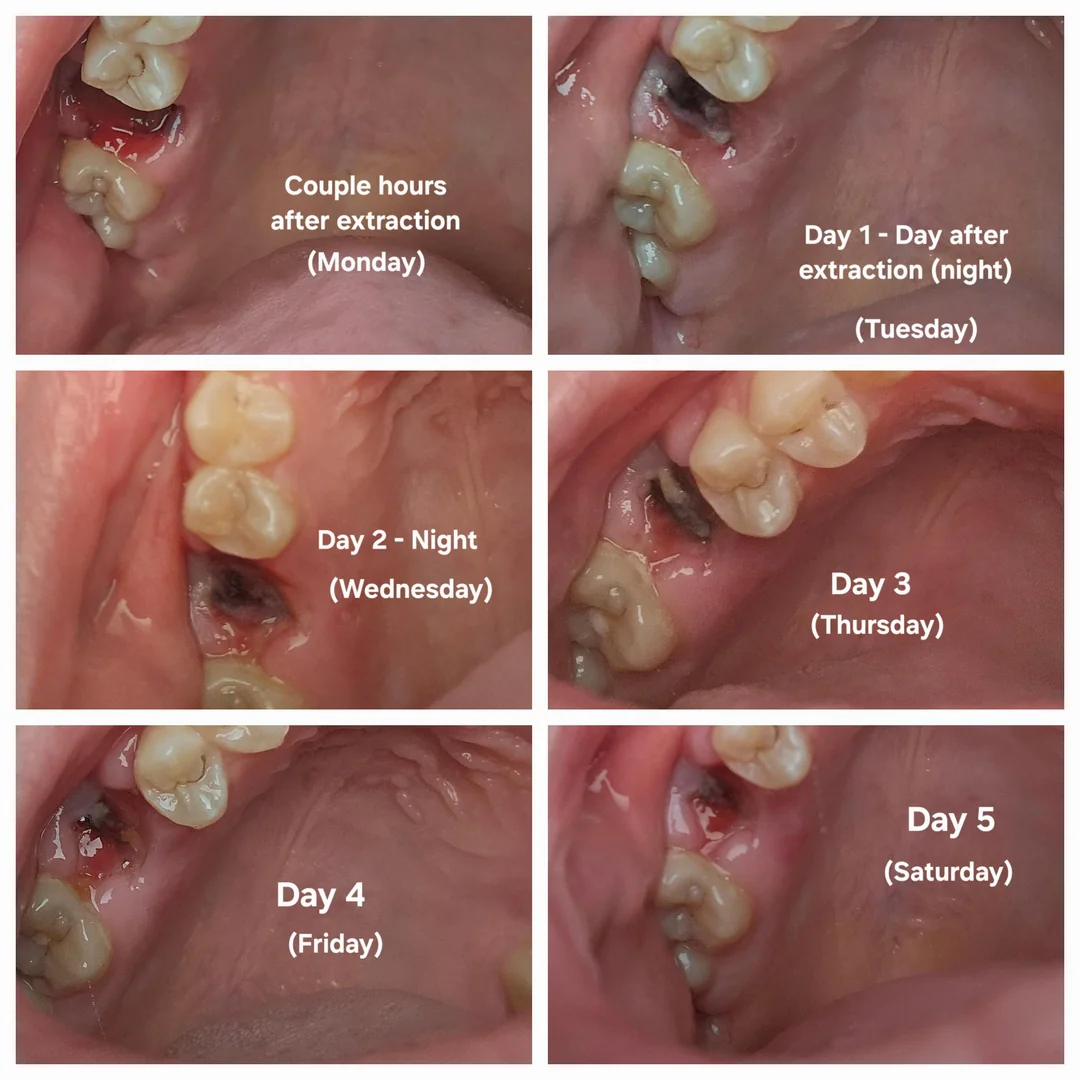
I. Four Typical Signs of Dry Socket (Check Them Carefully!)
- Abnormal Timing of PainThe pain from routine tooth extraction is usually most severe within 24 hours and then gradually subsides. In contrast, the pain of dry socket often exacerbates abruptly on the 2nd to 3rd day after extraction.
- Analgesics Losing EfficacyConventional analgesics (e.g., ibuprofen, paracetamol) barely work, resulting in persistent severe pain that even interferes with eating and sleeping.
- Radiating PainThe pain is not confined to the extraction site, but also radiates to the ear, temple, mandible and even the vertex of the head, leading to the misdiagnosis of migraine or otitis media.
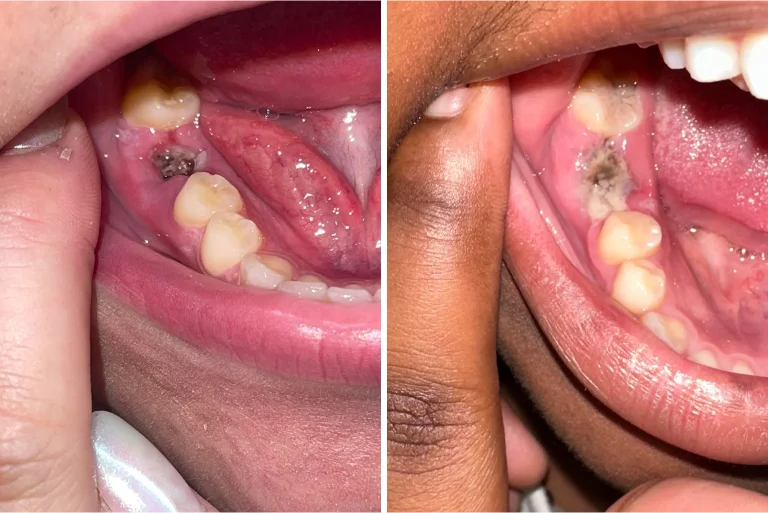
- Fetid Odor in the Oral CavityThe extraction socket is empty or filled with greyish-white necrotic tissue, accompanied by a distinct foul smell — this is a hallmark of blood clot detachment and bacterial infection.
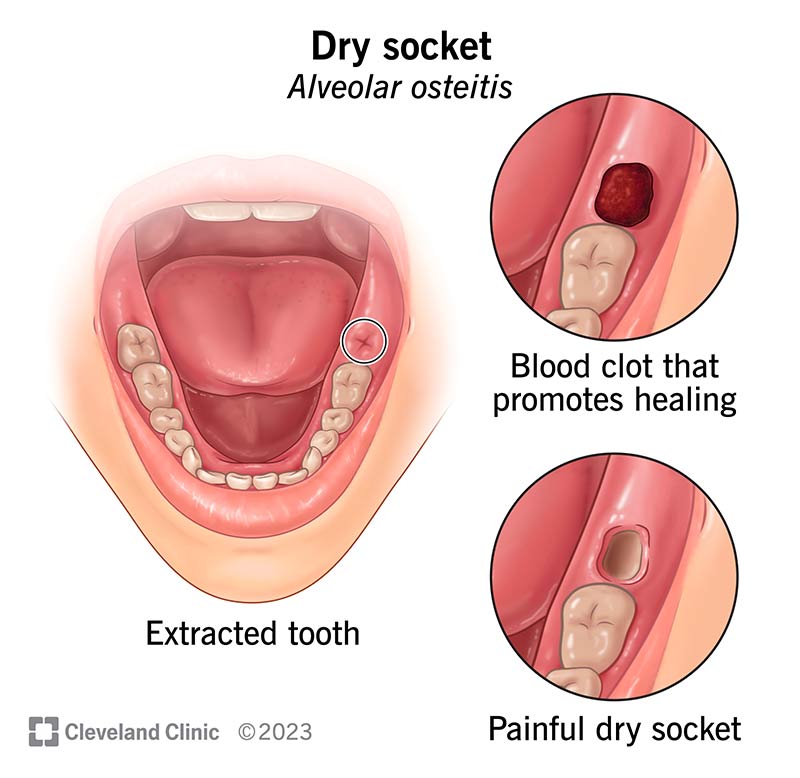
II. Etiology of Dry Socket
Vigorous rinsing, toothbrushing or frequent spitting on the day of extraction (suction movements can disrupt the blood clot);
Consumption of overheated, hard or residue-containing foods (e.g., nuts, potato chips, hot pot);
Smoking (nicotine causes vasoconstriction, impairing wound healing; the negative pressure generated during smoking can "suck out" the blood clot);
Tooth extraction during the menstrual period in females (hormonal fluctuations may affect blood coagulation);
Complex extractions (e.g., impacted wisdom teeth) with extensive surgical trauma, which carry a higher risk.
III. Five Golden Rules for Prevention (Follow Them to Stay Away from Dry Socket!)
Adhere to the "Three Don’ts" within 24 Hours
Do not rinse the mouth forcefully, do not brush the teeth in the extraction area, and do not spit frequently.
Maintain a Light and Soft Diet
For 2–3 days after the operation, prioritize congee, noodles, steamed eggs, etc., and avoid spicy, overheated or residue-containing foods.
Quit Smoking Resolutely for at Least 72 Hours
Smoking is the leading risk factor for dry socket! To avoid unnecessary suffering, please refrain from smoking temporarily.
Avoid Strenuous Exercise and Bending Over
Elevated blood pressure may induce re-bleeding and compromise the stability of the blood clot.
Perform Gentle Oral Hygiene Care after 24 Hours
You can rinse the mouth gently with warm saline (do not gargle vigorously) to maintain oral hygiene, but avoid the surgical wound.