The Function of Healing Abutment
The Function of Healing Abutment
Core Function: Guiding and Shaping Gingival Contour
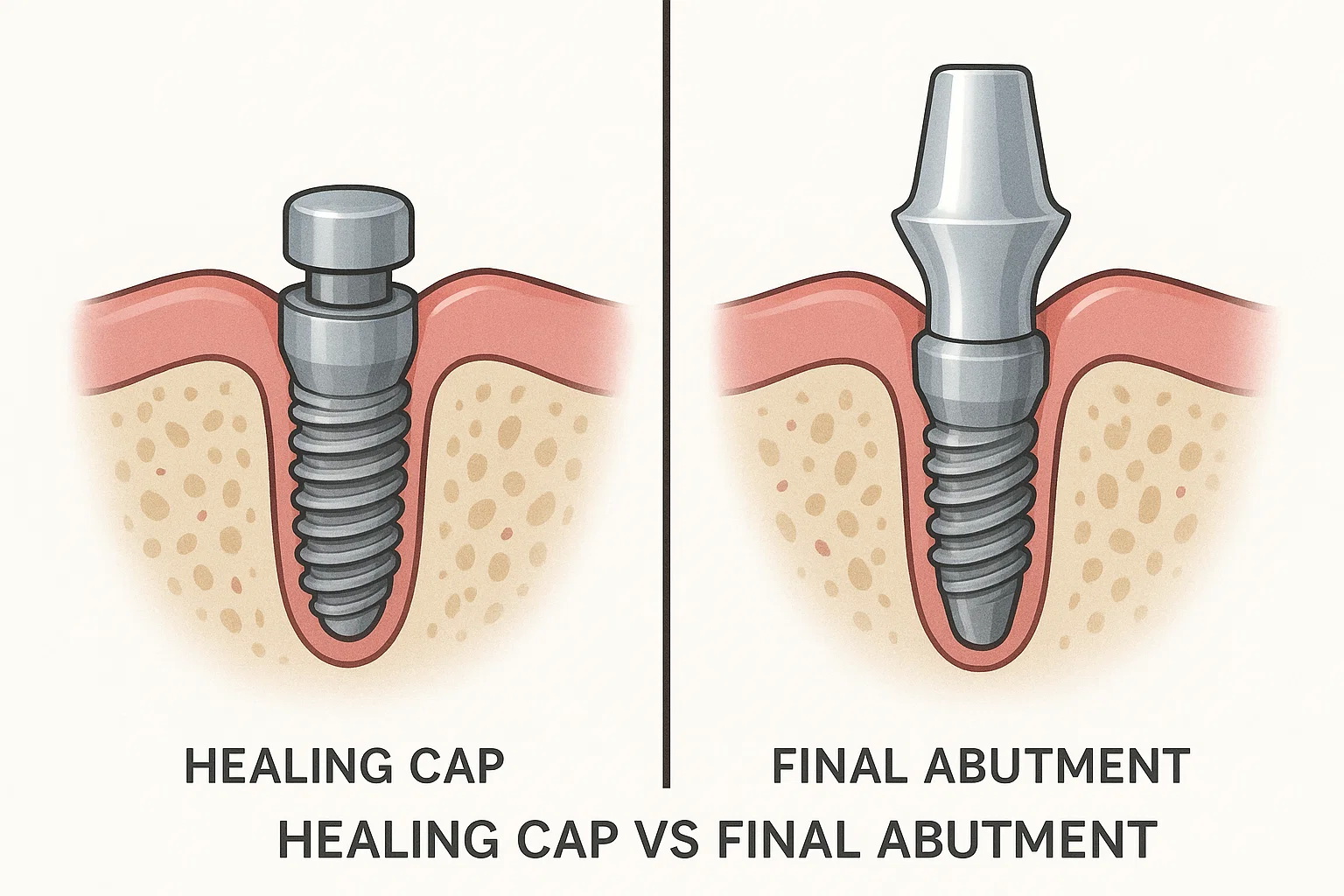
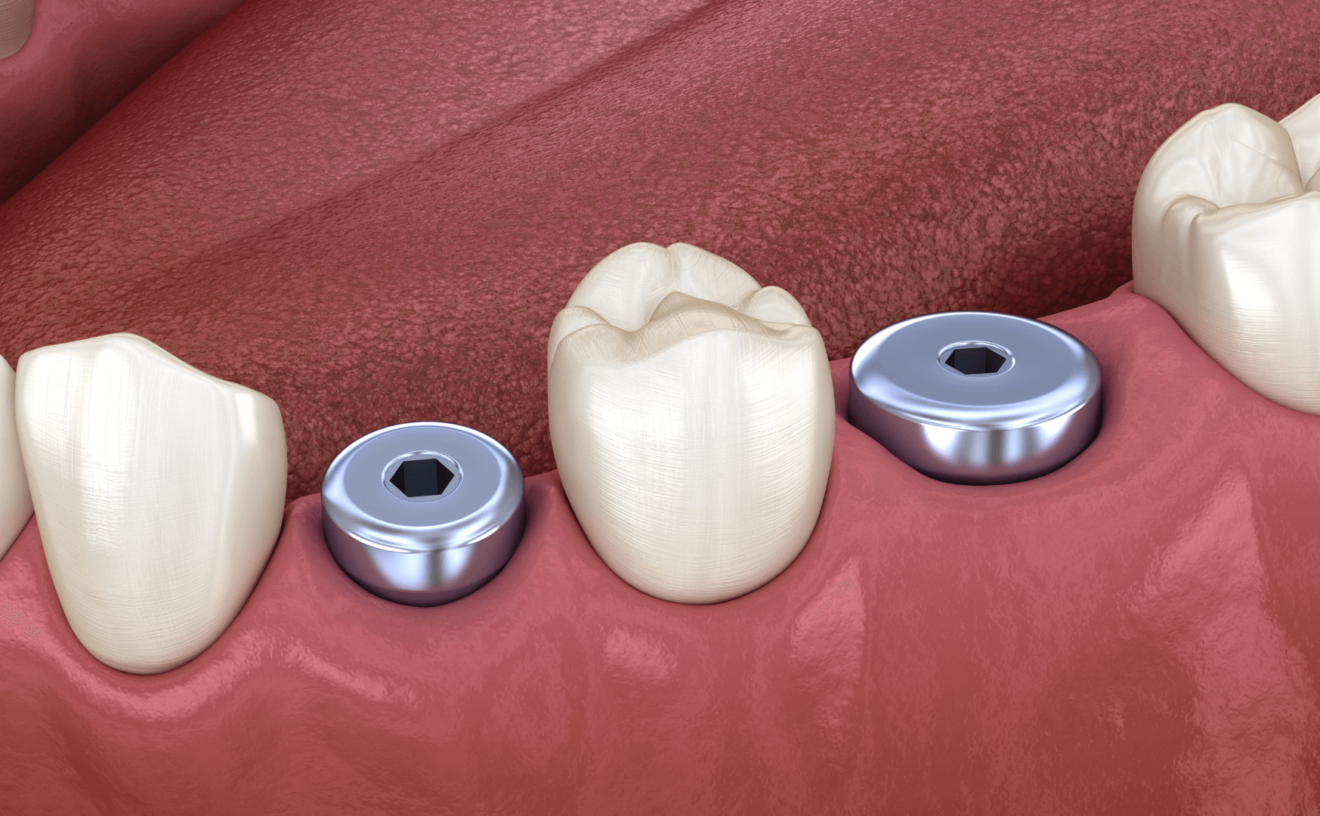
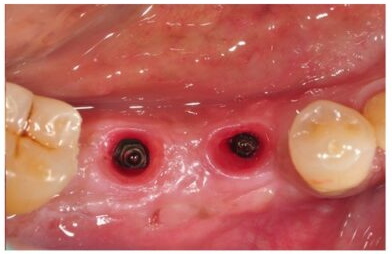
This is the primary function of a healing abutment. After the implant is placed into the alveolar bone, the healing abutment is screwed onto the implant, with its superior portion penetrating the gingiva and exposing to the oral cavity.
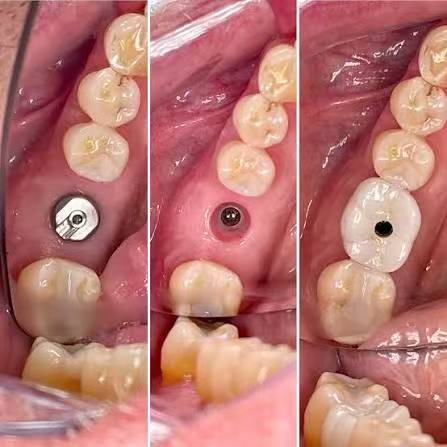
Formation of "Transgingival Profile":
It acts like a mold—the surrounding gingival tissues will naturally encapsulate and grow around it, forming a healthy, aesthetically pleasing gingival cuff that resembles the cervical region of a natural tooth. This lays the foundation for a natural and lifelike gingival contour after the final crown is seated.
Other Important Functions
Maintaining Access for Secondary Surgery
It preserves a channel between the underlying implant and the oral environment above. In the traditional two-stage implant surgery, after the implant undergoes osseointegration within the bone for several months, the clinician does not need to make an extensive gingival incision again. Instead, the healing abutment is simply removed, and the permanent abutment and crown can be placed directly, thus minimizing surgical trauma and patient discomfort.
Barrier Effect
Serving as a plug, it seals the internal threads on the top of the implant, effectively preventing food debris, bacteria, and other contaminants from entering the implant. This protects the osseointegration process from oral environmental pollution.
Promoting Soft Tissue Healing
Selecting a healing abutment with an appropriate shape (e.g., convex surface) can exert gentle supportive force on the surrounding gingival soft tissues, facilitating their close adaptation and healthy healing, and achieving an optimal biological seal.
Consideration for Early Loading (in Specific Cases)
In some specially designed healing abutments or clinical cases, the healing abutment can also play a role in distributing occlusal forces to a certain extent. However, this is not its primary function, and such application must be strictly performed in accordance with the clinician’s instructions.
Differences from Permanent Abutment
Healing Abutment | Permanent Abutment |
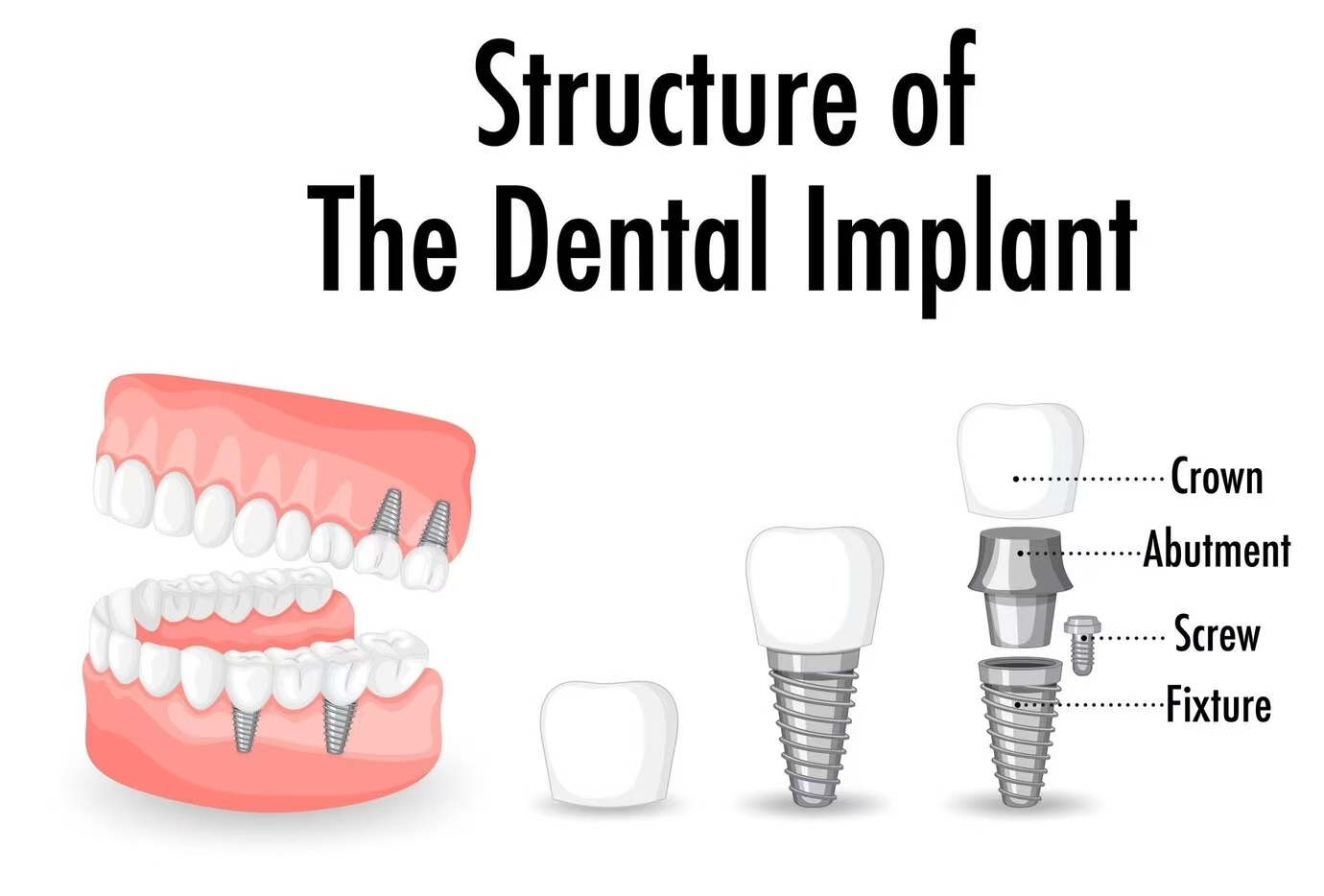
Temporary component for the post-surgical healing phase | An integral part of the final restoration, placed during the impression-taking procedure for crown fabrication |
Usually made of titanium or plastic, featuring a smooth surface and a relatively simple, standardized shape | Can be a prefabricated component made of titanium/zirconia, or a custom-made abutment tailored to the patient’s needs |
Mainly for gingival contouring and wound protection | Serves as the definitive connection between the implant and the crown, critical for both aesthetic and functional outcomes |
Conclusion
In summary, the core mission of a healing abutment is to establish a healthy and stable gingival channel between the implant and the external environment, and shape an optimal soft tissue foundation for the final aesthetic restoration. Though it is a small temporary component, it acts as a bridge connecting the first-stage implant surgery and the final crown placement, and is crucial for the long-term success and aesthetic result of dental implants.