From Early White Spots to Deep Cavities: The 4 Stages of Tooth Decay (And How to Stop the Pain Before It Starts)
Meta Description: Discover how tooth decay progresses from enamel white spots to severe pulpitis. Learn why early dental checkups can save your tooth and prevent costly root canals.
A broken tooth never happens overnight. By the time you find yourself holding your cheek in severe pain, this destructive process has already been quietly advancing inside your tooth for months—or even years.
Understanding how tooth decay progresses can help you take action before simple cavity treatments become complex dental emergencies.
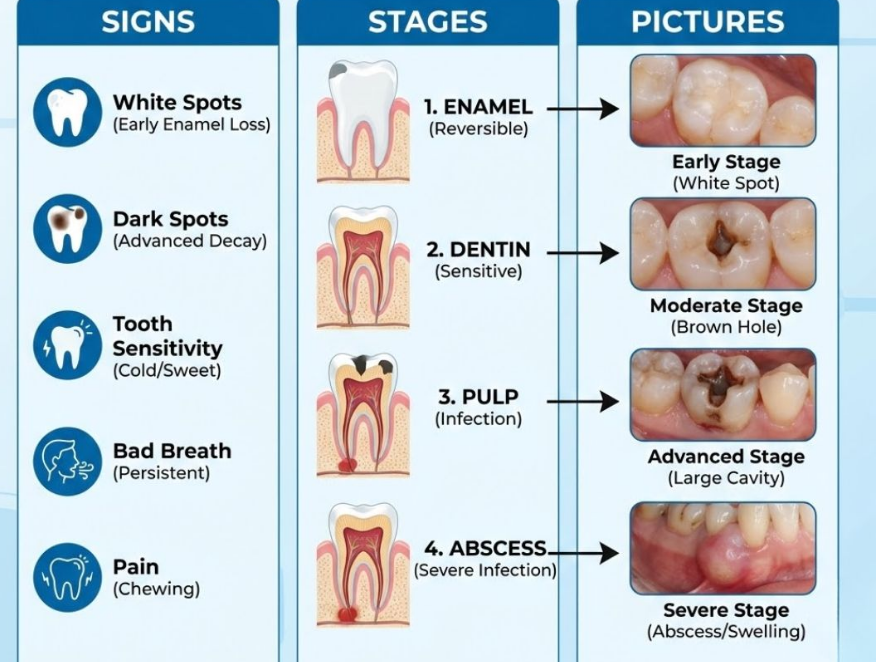
Stage 1: Initial Decay — The Enamel White Spot Alert
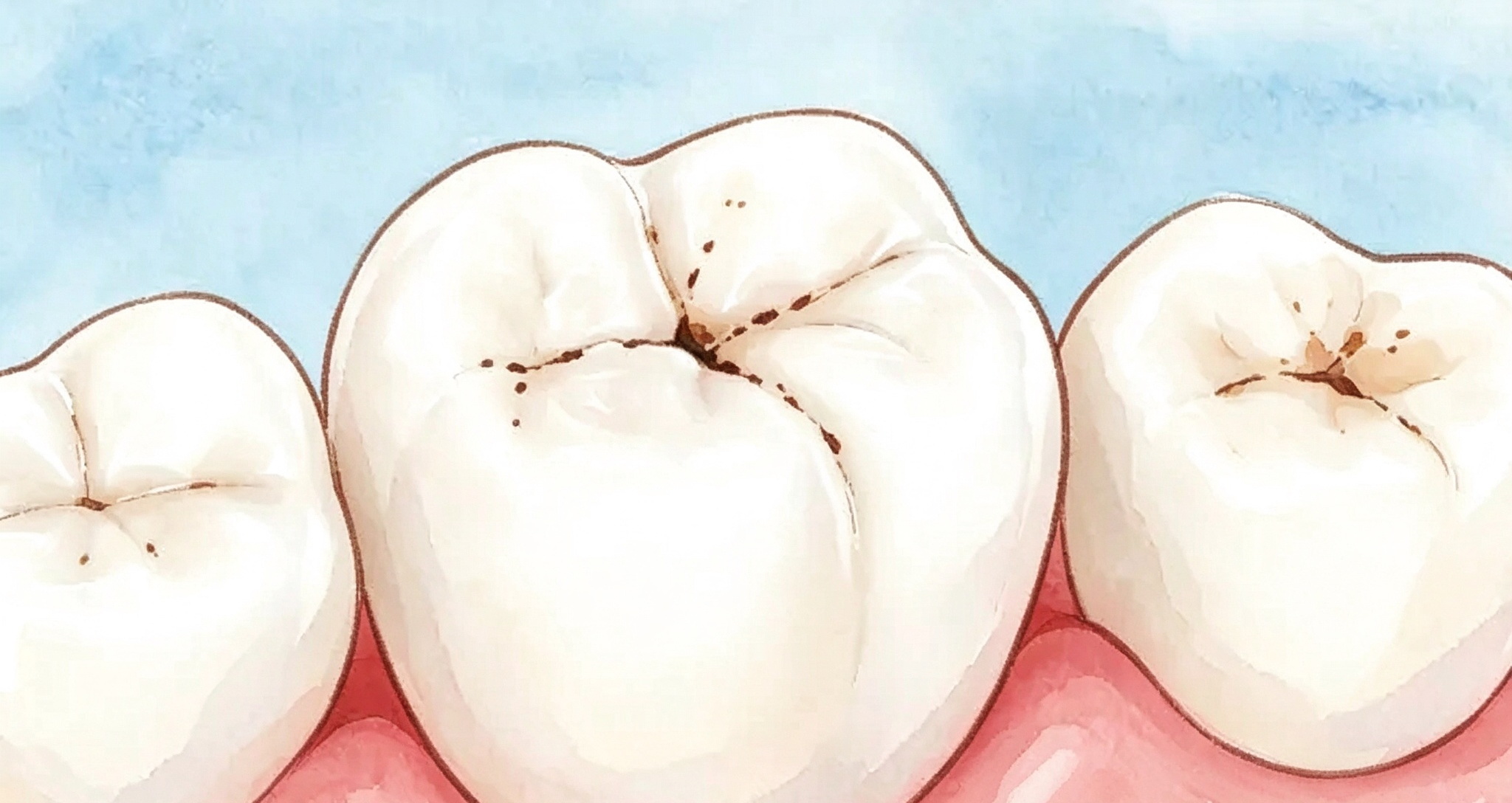
The outermost layer of your tooth, the enamel, is the hardest substance in the human body. However, it is not indestructible. When mouth bacteria breakdown sugars from food, they produce acids that constantly erode the enamel surface, creating early stage decay (incipient caries).
Signs: Chalky white or yellowish rough spots appear on the tooth surface.
Pain Level: Completely painless.
Treatment: This is the only reversible stage of tooth decay. Through remineralization therapy or micro-invasive dental fillings, the process can be halted. If missed, bacteria will break through the enamel and continue eroding deeper into the tooth structure.
Stage 2: Moderate Decay — Dentin Sensitivity Strikes
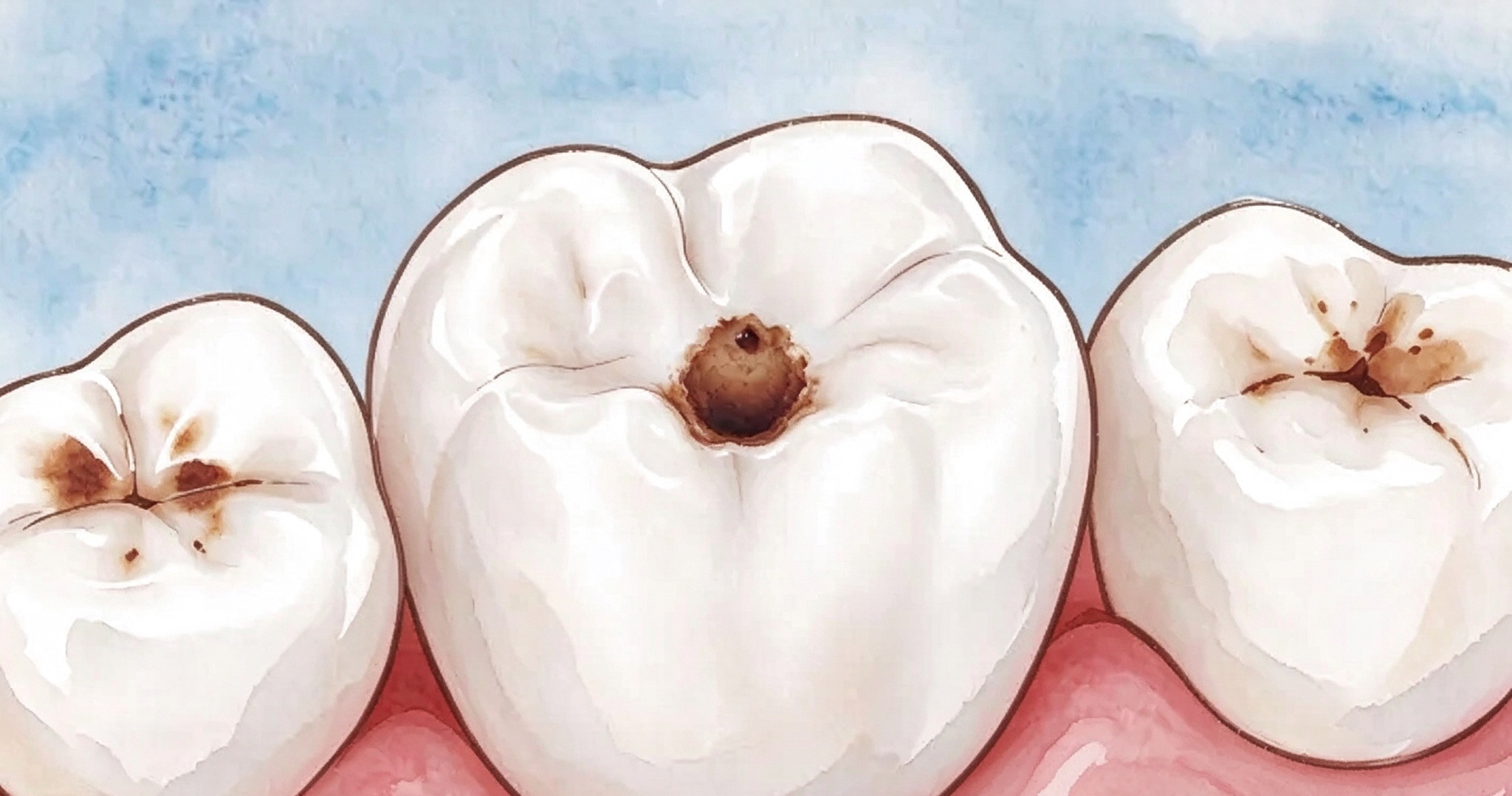
Once the enamel is breached, bacteria penetrate into the superficial layer of the dentin.
Signs: A visible cavity forms. You may experience brief, sharp pain or sensitivity when consuming hot, cold, sweet, or acidic foods and drinks. The discomfort vanishes once the stimulus is removed.
Why It Happens: Dentinal tubules act as microscopic channels, sending thermal and chemical stimuli directly to the inner tooth structures.
Treatment: Because this mild discomfort is easy to tolerate, it is often ignored. However, timely decay removal and a composite dental filling can save the tooth nerve. Left untreated, the erosion will continue toward the nerve center.
Stage 3: Deep Cavities — The Last Line of Defense for the Tooth Nerve
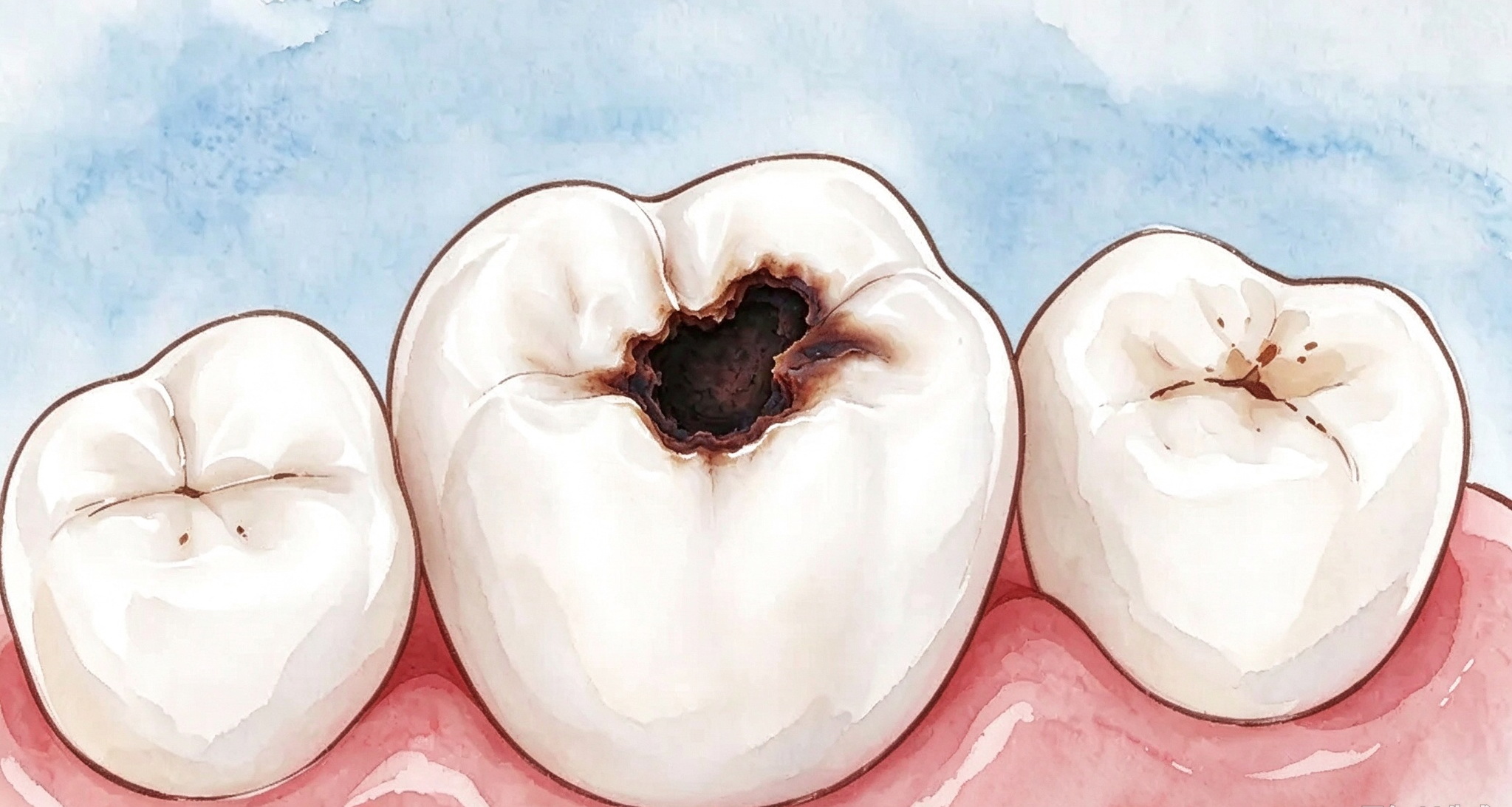
When decay reaches the deep layers of the dentin, a large cavity is formed.
Signs: Significant pain occurs when food gets trapped in the cavity or during exposure to hot and cold temperatures.
Risk: Only a thin layer of dentin remains to protect the dental pulp (nerve), placing the tooth in a critical state.
Treatment: Vital pulp therapy is the top priority at this stage. Utilizing selective caries removal techniques significantly reduces the risk of exposing the dental nerve. Choosing the right clinical approach at this point can help you avoid a full root canal treatment.
Stage 4: Pulpitis — Severe Tooth Pain Can’t Be Delayed
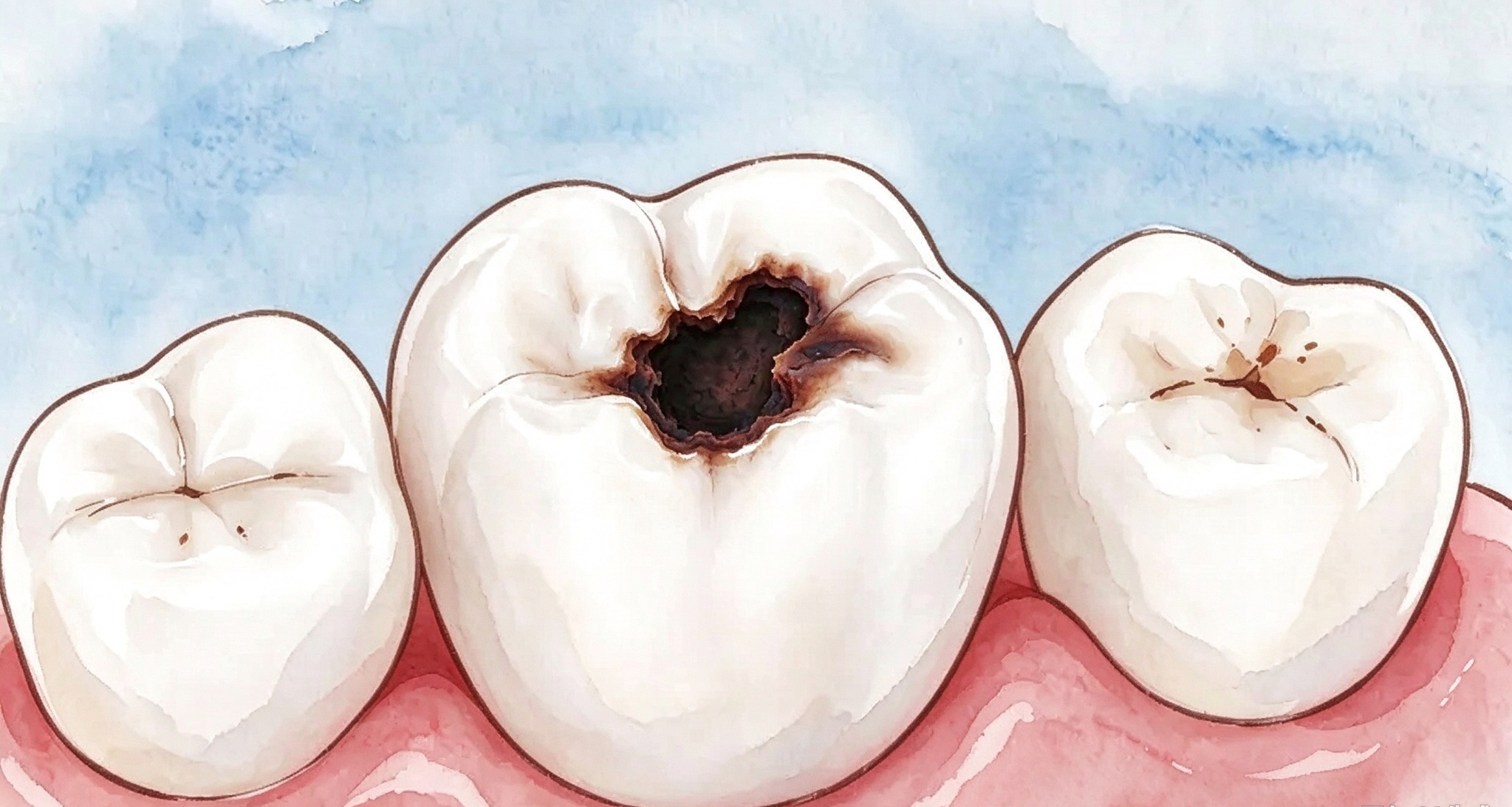
When bacteria invade the tooth pulp, irreversible pulpitis develops.
Signs: Spontaneous tooth pain, intense pain at night, and throbbing pain radiating across one side of the face. Over-the-counter pain relievers provide little to no relief.
Treatment: Simple dental fillings are no longer effective. A root canal treatment (or tooth extraction in severe cases) becomes necessary to eliminate the infection.
Prevention Is Key
From a tiny white spot on the enamel to a non-restorable tooth root, complete destruction can take as little as 1 to 2 years.
The secret to preventing extensive dental procedures is simple: schedule routine dental exams before you feel any pain. Don't wait for toothache to take action—protect your natural smile today.