Bleeding Gums: 5 Daily Habits That Protect Your Gum Health
Bleeding Gums: 5 Daily Habits That Protect Your Gum Health
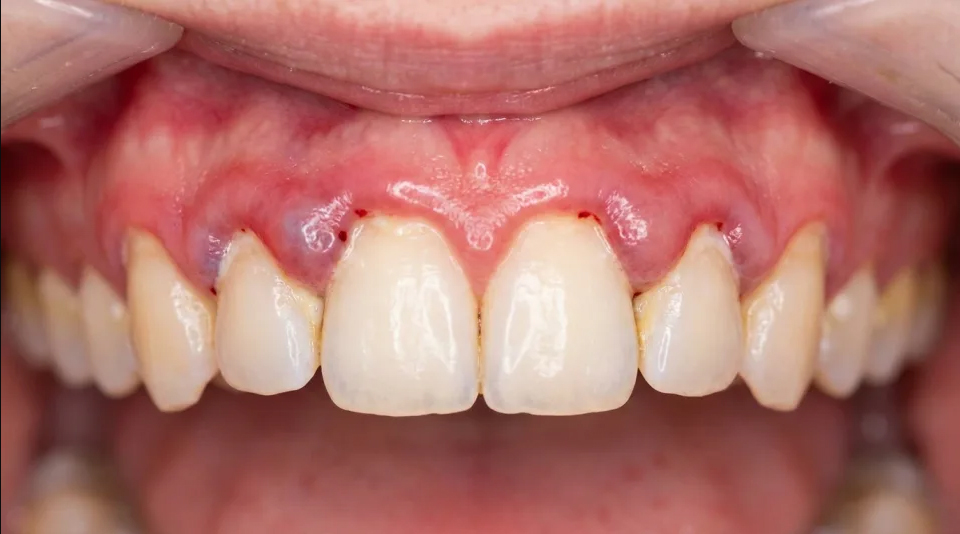
You spit into the sink and the foam is streaked with blood. You bite into an apple and leave a red mark behind. Your gums are swollen and sore, and you can barely stand to touch them. For most people, the first instinct is to blame “internal heat” — an irritated, overheated system.
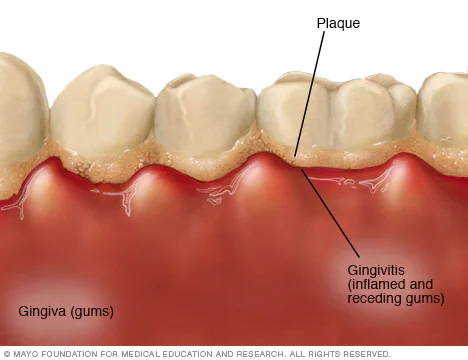
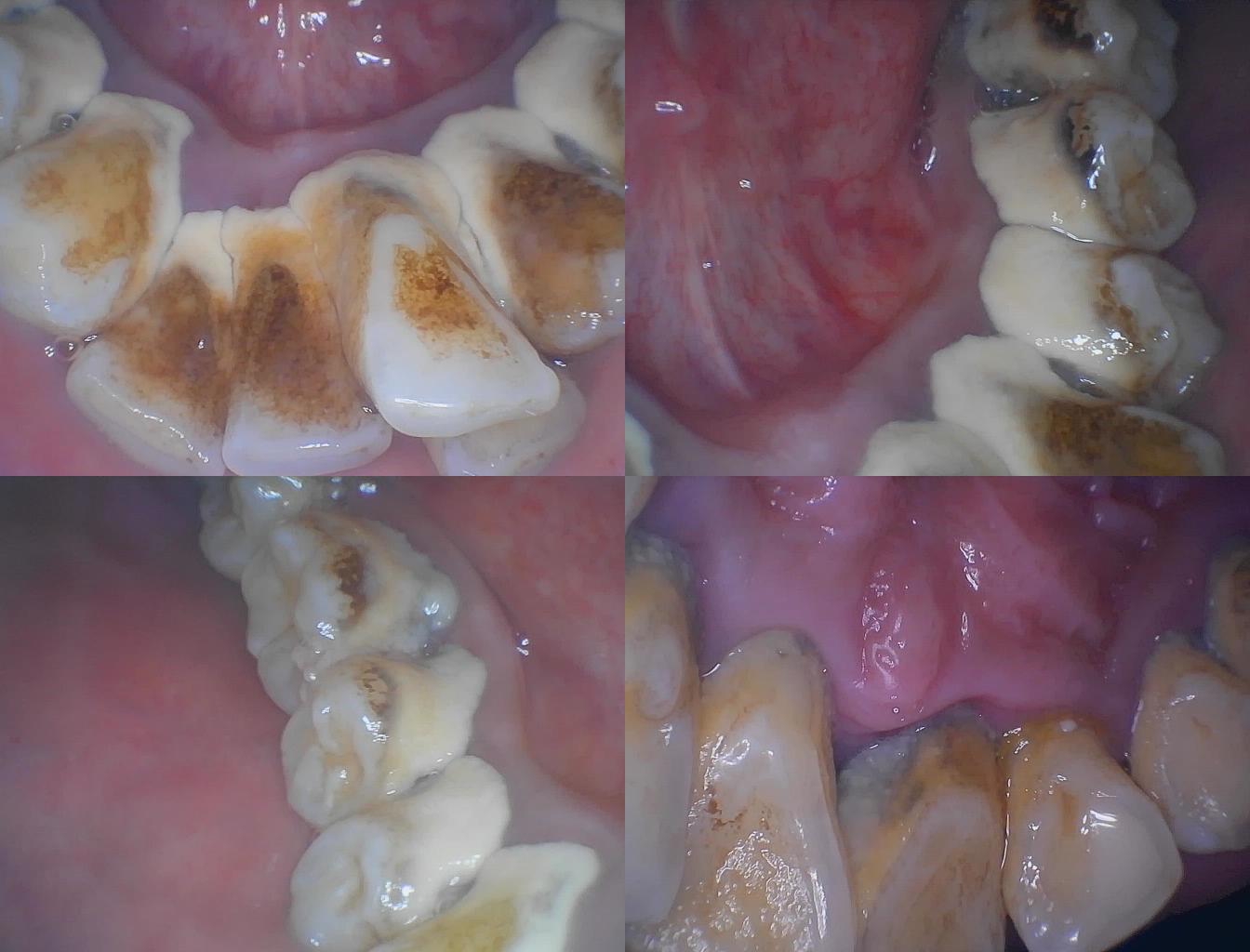
But bleeding gums have a far more common cause: long-term accumulation of dental plaque and tartar that triggers gingival inflammation. This is a reversible periodontal problem, and it is not solved by one toothpaste or a single cleaning appointment. It is solved by what you do every single day.
Healthy Gums vs. Gingivitis
Typical signs of gingivitis: swollen and puffy gums, reddened gum tissue, itchy or irritated gums, bad breath — but no tooth pain. The five habits below are all essential. A traffic-light guide for seeking care and a myth-busting card appear at the end, so consider saving this page.
Key Takeaways First: 5 Habits That Protect Gum Health
Brush correctly. Use the Bass brushing technique for 2 minutes, morning and night. The pre-bed brush is the most important.
Floss or use interdental brushes daily. A toothbrush cannot reach between teeth, and a water flosser is not a substitute.
Eat for your gums. Get enough vitamin C, calcium, and vitamin D. Cut back on sugar and carbonated drinks.
Get professional cleanings and checkups. Every 6 to 12 months, with a dentist’s assessment.
Drop the habits that damage gums. Smoking, using teeth as tools, and brushing immediately after acidic food and drink.
Habit 1: Brushing Correctly Matters More Than Brushing Often
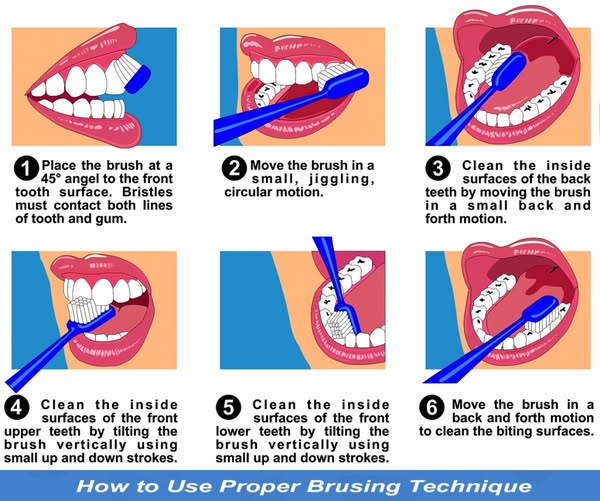
Most people brush twice a day — and have been doing it wrong for decades. The currently accepted gold-standard method is the Bass brushing technique, and it comes down to three things: angle, amplitude, and coverage.
Angle: hold the bristles at 45 degrees to the tooth surface, easing them gently into the junction between tooth and gum.
Amplitude: work in groups of 2 to 3 teeth, using small horizontal vibrations of about 1 to 2 mm.
Coverage: after a few vibrations, sweep the bristles gently along the direction of the interdental spaces.
The gingival sulcus is where plaque loves to hide and where brushing most often misses. If the bristle angle is wrong, you might as well not brush at all.
Spend at least 2 minutes each time, morning and night. The pre-bed brush matters most. Choose a soft-bristled brush with a small head and replace it every 3 months. Cold water irritates gums, so lukewarm water around 95°F (35°C) is more comfortable. Use a fluoride toothpaste.
Two warnings about “gum care” products
Do not rely on hemostatic (bleeding-control) toothpaste long term. These products may mask an underlying problem and leave you thinking you have recovered when you have not.
Mouthwash is not a replacement for brushing and flossing. If you use an antibacterial rinse long term, follow your dentist’s instructions.
Habit 2: Flossing Is Mandatory, Not Optional
A toothbrush cleans only about 60 percent of a tooth’s surface. Food debris and plaque in the interdental spaces are completely out of reach. And those bacteria hiding between teeth are the single biggest trigger of gingivitis.
How to floss properly
Slide the floss gently between two teeth and curve it into a “C” shape around the tooth surface.
Scrape up and down against the side of the tooth. Clean both sides of each interdental space.
Move to a fresh section of floss before moving to the next space.
Floss at least once a day — ideally after your evening brush.
A water flosser cannot replace dental floss. An oral irrigator is an adjunct tool; it cannot hug the tooth surface and scrape plaque away the way floss does. It suits people with braces, wider interdental spaces, or dental implants as a supplement. Floss picks are acceptable, but if your interdental spaces are wide, interdental brushes are the better choice — never force them in. Avoid toothpicks; they injure gums easily.
Habit 3: Eat the Right Foods for Gum Health
Vitamin C is a protective agent for gums. It participates in collagen synthesis, helping gum tissue hug the tooth surface and resist irritation. Long-term deficiency leaves gums soft, loose, and prone to bleeding. Oranges, kiwis, broccoli, bell peppers, and tomatoes are all good sources. Vitamin C is heat-sensitive, so avoid overcooking vegetables.
Calcium and vitamin D matter too. They primarily affect alveolar bone and periodontal tissue health, and they are also critical during tooth development. Milk, yogurt, soy products, oily fish, and egg yolks are good sources.
At the same time, reduce high-sugar foods and carbonated drinks. Bacteria break down sugar and produce acid, and frequent snacking on sweets keeps the mouth acidic for extended periods, raising the risk of both caries and periodontal disease. If you want something sweet, eat it with a meal and rinse promptly afterward.
Two common misconceptions
Myth: Vitamin C supplements cure bleeding gums.
The overwhelming majority of bleeding is caused by plaque and tartar, not simple vitamin C deficiency. A balanced diet is a foundation, not a replacement for brushing, flossing, and professional cleaning.
Myth: You should brush straight after acidic food.
Wait about 30 minutes so saliva can neutralize the acid before you brush. Brushing immediately abrades softened enamel.
Habit 4: Get Regular Cleanings — Do Not Wait for a Problem
“I brush carefully every day — why do I still need a cleaning?” Because even with careful brushing and flossing, roughly 40 percent of tooth surfaces cannot be thoroughly cleaned. The remaining plaque calcifies into tartar, and once it forms, brushing cannot remove it.
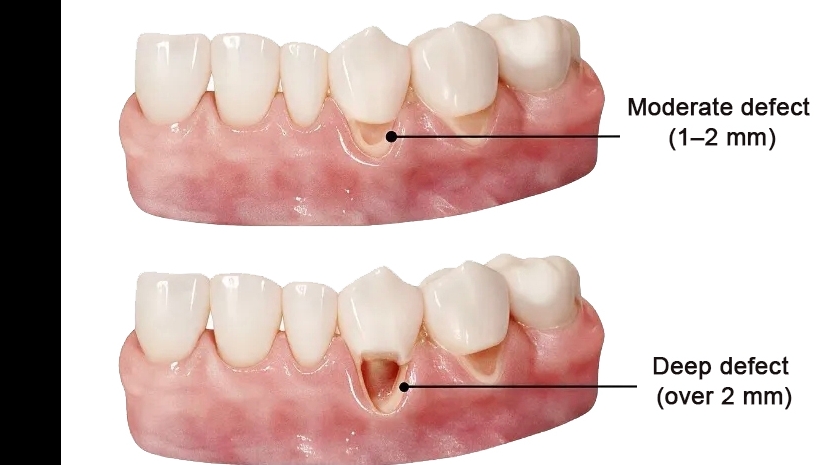
Tartar has a rough surface that attracts even more bacteria. It presses against the gums, causing redness, swelling, bleeding, and recession, and it can eventually progress to periodontitis — leading to alveolar bone loss and even tooth loss.
Get a professional cleaning every 6 to 12 months.
If you are in periodontitis maintenance, you may need a review every 3 to 6 months. Your dentist will assess the interval.
Combining the cleaning with a full oral examination catches many problems in their earliest stages.
Two myths about scaling
Myth: Scaling widens the gaps between teeth or loosens them.
Scaling removes tartar from the tooth surface. Spaces appear wider because tartar had already pushed the teeth apart and the gums had already receded. Any temporary looseness or sensitivity resolves.
Myth: Gum disease always means you will lose your teeth.
Gingivitis is reversible. Alveolar bone loss from periodontitis is not reversible, but it can be controlled. The earlier you intervene, the better.
Habit 5: Drop the Habits That Damage Gums
Smoking is a major enemy of gum health. It constricts the tiny blood vessels in the gums, masking the early warning sign of bleeding, and it reduces the effectiveness of periodontal treatment.
Do not use your teeth as tools. Opening bottles, cracking nut shells, tearing packaging — the damage to teeth and periodontal tissue can be irreversible.
Who Is at Higher Risk of Gum Problems?
Pregnant women. Hormonal changes during pregnancy make gums more prone to inflammation. Prioritize dental checkups before and during pregnancy.
People with diabetes. Diabetes and periodontitis aggravate each other. Control blood sugar and keep up regular periodontal checkups.
People with braces. Brackets are hard to clean around. Keep up with interdental brushes, a water flosser, and scheduled reviews.
Smokers and people with dental implants. Periodontal risk is higher, so reviews should be more frequent.
People on long-term anticoagulants. Bleeding risk is higher. Tell your dentist — and never stop your medication on your own.
The Traffic Light Guide: When Must You See a Dentist?
| Signal | Situation | What to do |
|---|---|---|
| Green | Occasional bleeding while brushing, right after changing your brushing method or starting to floss | Observe for 1–2 weeks while cleaning thoroughly |
| Yellow | Bleeding lasting 1–2 weeks, persistent bad breath, widening interdental spaces, swollen red gums, bleeding every time you brush | Book a dental assessment; you may need scaling or periodontal treatment |
| Red | Spontaneous bleeding, heavy bleeding, loose teeth, gum recession with exposed roots, toothache, swelling, or fever | Seek care as soon as possible |
One important exception: if you have spontaneous bleeding or bleeding from multiple sites along with fever, fatigue, or skin bruising, do not only see a dentist — see a physician promptly to rule out a systemic cause.
Pregnant women, people with diabetes, people with braces, smokers, and people with implants should consult a clinician directly rather than wait.
3 Things You Can Do Today
Switch to a soft-bristled brush with a small head, use fluoride toothpaste, and stop scrubbing hard.
Brush for a full 2 minutes tonight — and floss once. Even if it bleeds, do not avoid the gum line. The more you avoid it, the more bacteria accumulate.
Track your bleeding. If it continues for 1 to 2 weeks, book a dental appointment.
Frequently Asked Questions
What is the most common cause of bleeding gums?
Plaque and tartar accumulation that triggers gingival inflammation. This is by far the most frequent cause. Bleeding can also stem from hormonal changes, certain medications, poorly fitting dental work, or — less commonly — a systemic condition.
Can bleeding gums be reversed?
Yes, when the cause is gingivitis. Gingivitis is fully reversible with improved oral hygiene and a professional cleaning. Bone loss caused by periodontitis cannot be reversed, but it can be controlled and its progression slowed.
Does flossing make gums bleed more?
Gums that have not been flossed in a long time often bleed for the first few days. This is inflammation responding to cleaning, not harm. Bleeding usually settles within 1 to 2 weeks of consistent daily flossing. If it persists, see a dentist.
Is a water flosser as good as dental floss?
No. A water flosser is a useful adjunct, particularly for braces, implants, and wider gaps, but it cannot scrape plaque off the tooth surface the way string floss does. Use floss or interdental brushes as your primary interdental cleaning method.
Does scaling damage teeth or loosen them?
No. Scaling removes tartar from the tooth surface. Teeth may feel temporarily more sensitive or “looser” afterward, but that is the sensation of tartar removal and typically resolves. Widening gaps were caused by existing tartar and gum recession, not by the cleaning.
Does vitamin C deficiency cause bleeding gums?
Severe vitamin C deficiency (scurvy) can cause gum bleeding, but it is rare. In everyday practice, bleeding gums are overwhelmingly caused by plaque and tartar. Do not treat bleeding gums with supplements alone.
Key Takeaways
Bleeding gums are usually a sign of gingivitis, caused by plaque and tartar — not “internal heat.”
Use the Bass brushing technique: 45-degree angle, 1–2 mm vibrations, 2 minutes, twice daily.
Floss daily with string floss or interdental brushes. A water flosser does not replace them.
Get a professional cleaning every 6 to 12 months, combined with an oral examination.
Gingivitis is reversible. Periodontitis bone loss is not. Early intervention is everything.
Watch for the yellow and red signals in the traffic-light guide and see a dentist promptly.