Uncontrolled Saliva and Drooling After Dental Implants? Dentists Explain Why It’s Usually Normal
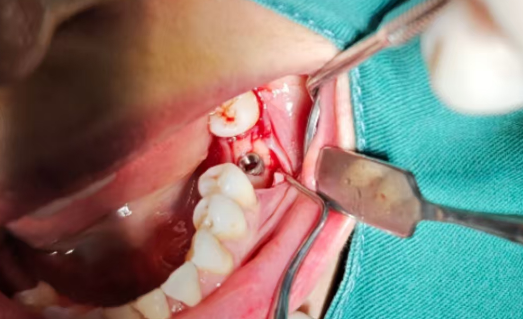
You might feel hesitant to swallow, fearing that the suction or muscle movement might pull on your surgical wound and trigger bleeding. As anxiety builds, you might start to worry: Did something go wrong with the procedure? Is my wound healing abnormally?
Rest assured—there is no need to panic! Excessive saliva and drooling after dental implant surgery are extremely common and almost always temporary physiological reactions. Here is a clear breakdown of why this happens, how long it lasts, and how to handle it safely.
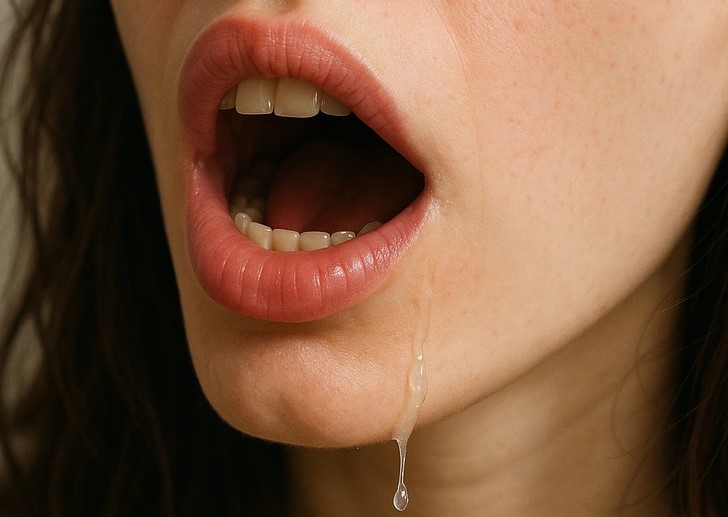
01. Core Reasons for Post-Operative Drooling
Excessive saliva and difficulty controlling drooling after surgery do not mean there is a surgical complication. Rather, they are natural physiological reflexes triggered by surgical stimulation and local anesthesia.
Surgical Stimulation Triggers Excess Saliva: Dental implant placement is a minimally invasive surgical procedure. It creates small incisions in the gums and alveolar mucosa. As the local nerve endings are stimulated by the healing wound, they reflexively signal the salivary glands to increase production in the short term.
Local Anesthesia Temporarily Affects Swallowing and Lip Closure: The local anesthetic used during surgery temporarily numbs the soft tissues of the mouth. After surgery, lip closure may feel awkward, and swallowing reflexes become uncoordinated. When large amounts of saliva accumulate faster than you can naturally swallow, it spills out naturally.
Mild Bleeding Intensifies Secretion Reflexes: Slight oozing of blood and tissue fluid from the surgical site is normal. These fluids continue to stimulate the oral mucosa, further accelerating saliva production and making drooling more noticeable.
02. Expected Recovery Timeline
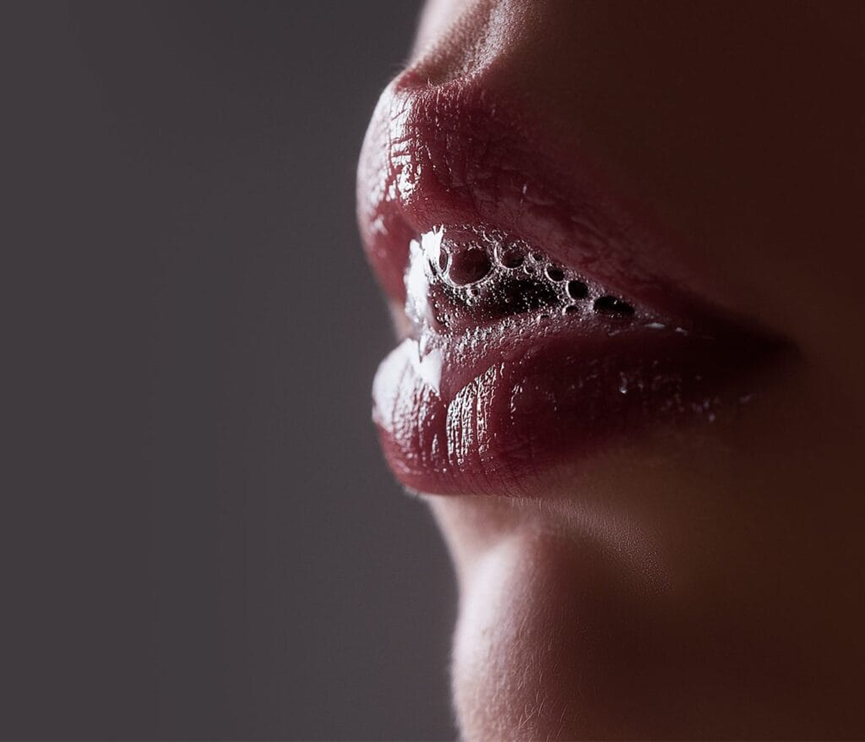
Post-operative drooling is a phase-based symptom that gradually diminishes as the anesthesia wears off and the surgical site heals:
3 to 4 Hours Post-Op (Peak Symptom Stage): During this period, local anesthesia is still active. Oral numbness is at its highest, and muscle control for swallowing and closing your mouth is impaired. Drooling is most prominent now—this is a 100% normal reaction.
24 to 48 Hours Post-Op (Gradual Relief): As the anesthetic is fully metabolized and post-surgical swelling slowly subsides, nerve irritation decreases. Saliva production gradually normalizes, and drooling improves significantly.
3 to 7 Days Post-Op (Full Recovery): For most patients, swallowing and lip closure functions are fully restored, and uncontrollable drooling completely stops. As long as your saliva is clear, free of foul odor, and not accompanied by severe swelling or persistent active bleeding, there is no cause for concern.
03. How to Properly Handle Excessive Saliva After Surgery
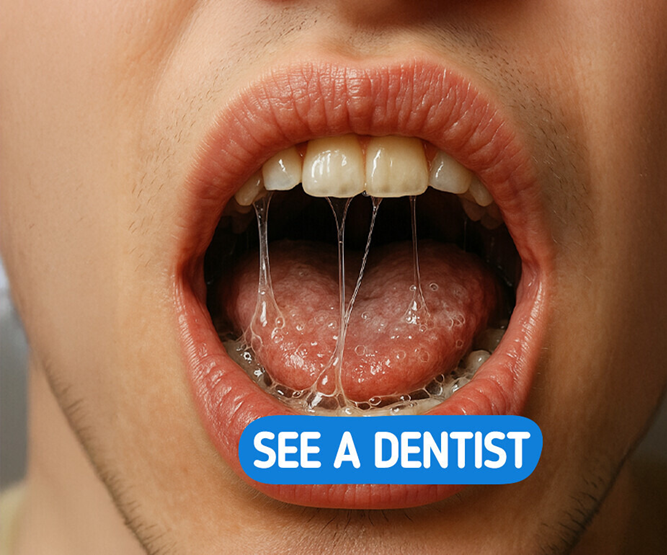
Many patients avoid swallowing out of fear of bleeding, but improper habits can actually hinder your recovery.
Recommended Method: Gently Swallow Small Sips
Swallowing gently in small sips is the safest and most recommended approach. Slow, gentle swallowing will not pull on the surgical wound or create strong negative oral pressure, effectively minimizing the risk of wound bleeding and edema.