Can Retained Root Fragments After Wisdom Tooth Extraction Be Left In situ?
Can Retained Root Fragments After Wisdom Tooth Extraction Be Left In-situ?
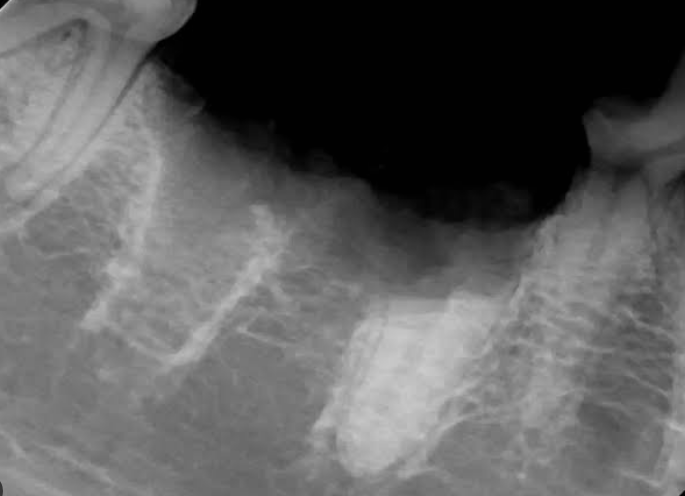
Yes!
They may be left untreated, but only under specific prerequisites. Not all root fragments left behind following wisdom tooth (third molar) extraction require secondary surgical removal. The decision to retain or remove a fragment depends on a combined assessment of three factors: fragment length, anatomical position, and presence of inflammatory symptoms.
Clinical Scenarios for Retention with Observation
Fragment length < 3 mm (some literature accepts up to < 5 mm), completely asymptomatic: no pre‑operative periapical inflammation, cysts, or history of recurrent swelling and pain.
Deep‑seated and stable position: the fragment is fully embedded within alveolar bone, non‑mobile, and non‑exposed, with no risk of wound irritation.
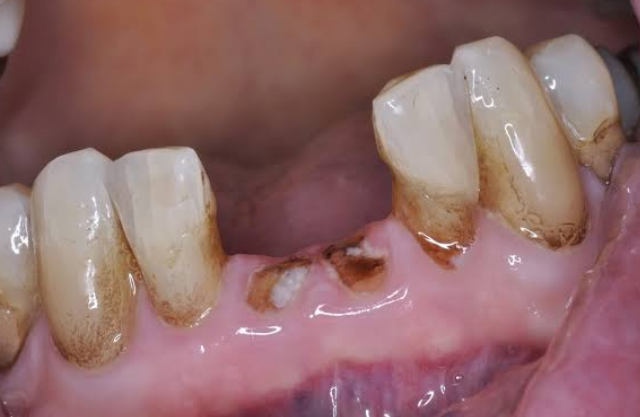
Proximity to vital anatomical structures: close proximity to the inferior alveolar nerve, lingual nerve, or maxillary sinus. Forcible retrieval carries a high risk of iatrogenic injury.
Where the above criteria are satisfied, most small, aseptic root fragments will become encapsulated by alveolar bone and undergo gradual organisation and resorption, remaining asymptomatic for life.
Indications for Secondary Surgical Removal
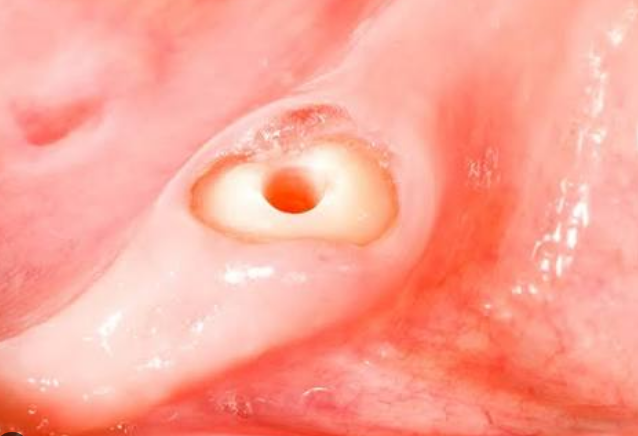
Secondary surgery for fragment retrieval is recommended if any one of the following applies:
Longer root fragment: length exceeding 3 mm (some clinicians advise a safer threshold of 5 mm).
Pre‑existing inflammatory pathology: prior recurrent infection, periapical radiolucency, granuloma, or periodontal abscess.
Mobile or exposed fragment: persistent wound dehiscence, food impaction tendency, and recurrent sharp pain.
Proximity to the maxillary sinus with perforation risk: retained fragment predisposes to sinus infection and sinusitis.
Up‑coming orthodontic, restorative or implant treatment: residual root will interfere with subsequent dental management.
Illustration note: The variable spatial relationship between root tips and the inferior alveolar nerve determines surgical difficulty and the management strategy for retained root fragments. More complex anatomical relationships (e.g., nerve‑crossing configuration shown in the bottom‑right panel) correspond to higher surgical risk.