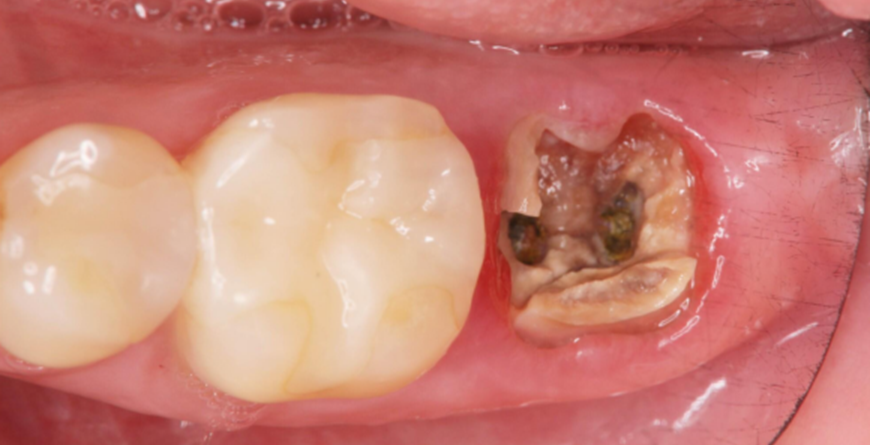
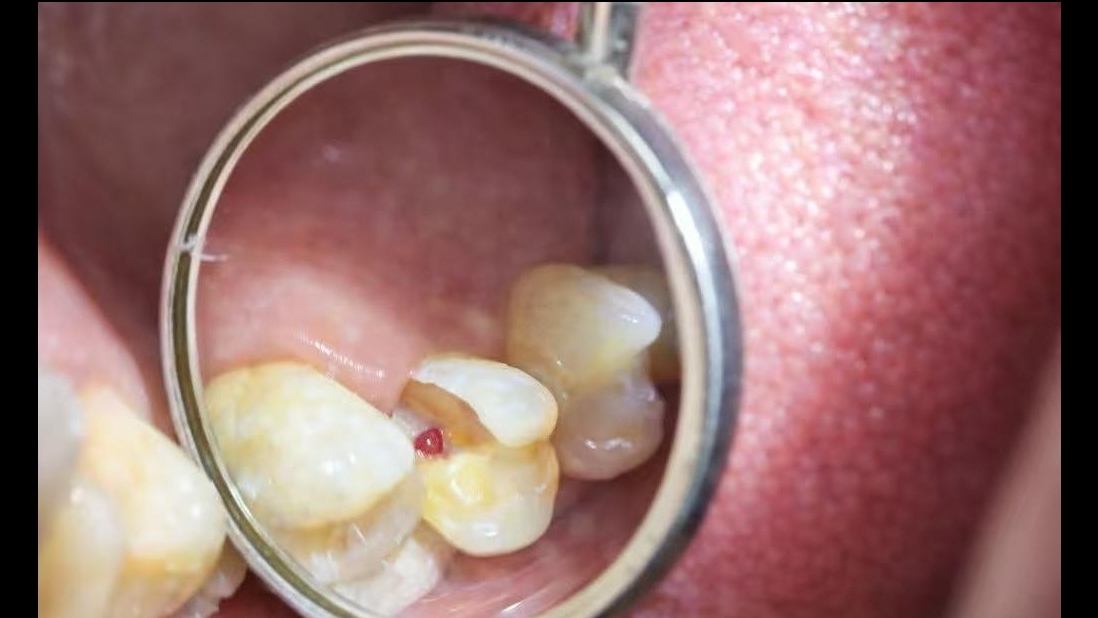
Ten Self-examination Symptoms of Periodontitis
Periodontitis serves as the primary cause of tooth loss in adults. Characteristically, it presents with negligible pain in the early stage and is prone to neglect, yet clinical manifestations do emerge progressively. The following ten classic symptoms facilitate self-screening. Early detection and intervention are critical to preserve dentition health.
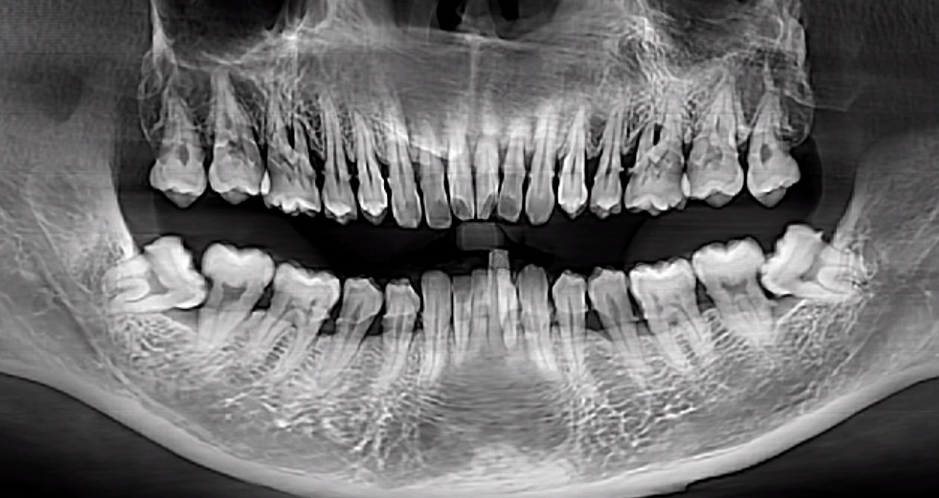
1. Gingival bleeding during tooth brushing or mastication
It is the earliest and most hallmark sign of periodontitis. Physiologically healthy gingivae are non-hemorrhagic. Bleeding on toothbrushes, blood traces after biting hard food, or darkened morning saliva all indicate gingival inflammation. Bleeding should never be attributed to excessive brushing force; it acts as a warning sign of inflamed periodontal tissues.
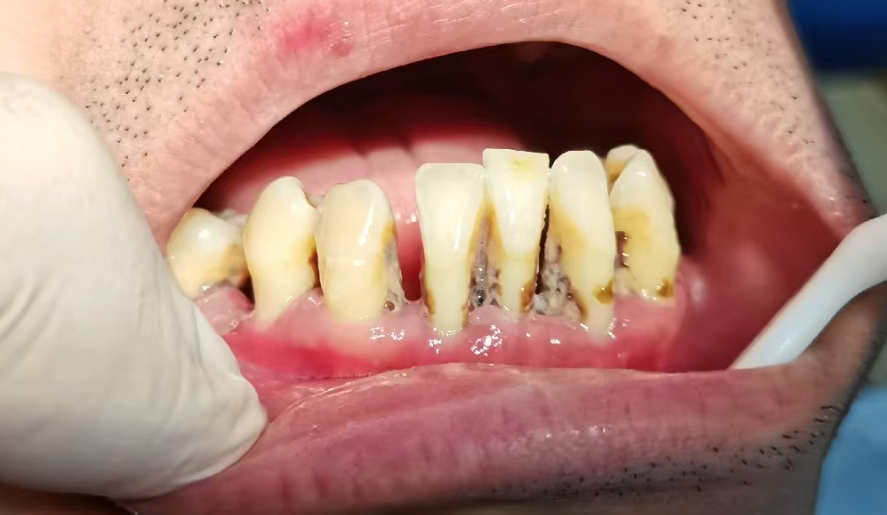
2. Gingival erythema and abnormal pigmentation
Intact healthy gingivae are pale pink, firm and tightly attached to tooth surfaces. Transition to bright red, dark red or violaceous gingiva accompanied by edema, flabbiness and detachment from teeth results from inflammatory vasodilation and congestion.
3. Recurrent gingival swelling, pain and pruritus
Gingival discomfort is frequently misattributed to internal heat in folk cognition, whereas healthy gingivae seldom develop such symptoms. Itchy gingiva manifests in incipient periodontitis, while recurrent swelling and pain occur as inflammation exacerbates, implying latent periodontal lesions.
4. Persistent halitosis
Periodontopathic bacteria generate volatile sulfur compounds via metabolism. Combined with accumulation of dental plaque, calculus and gingival suppuration, persistent halitosis develops. Brushing and chewing gum merely mask odor temporarily. Unexplained chronic halitosis requires priority evaluation for periodontitis.
5. Gingival recession and clinical tooth elongation
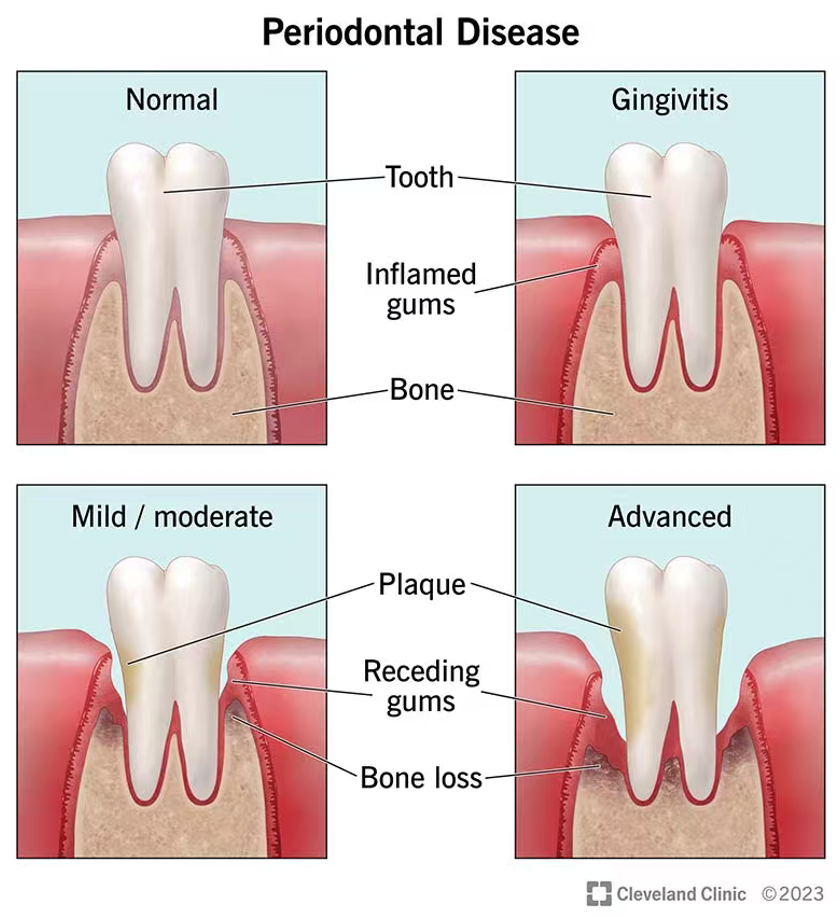
Destruction of periodontal apparatus and alveolar bone resorption trigger apical migration of gingiva with root exposure, clinically presenting as elongated teeth and widened interdental spaces, indicative of impaired periodontal supporting structures.
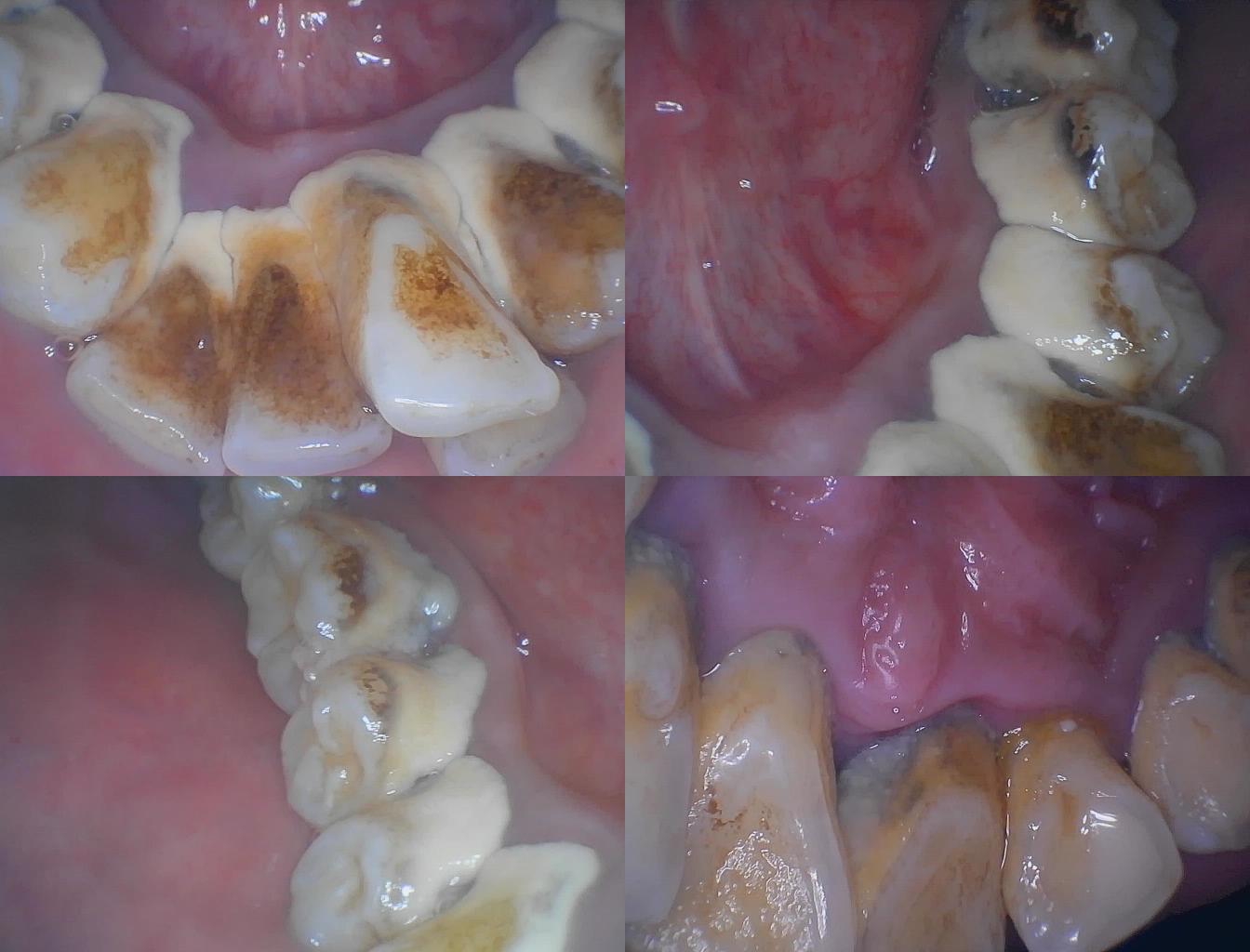
6. Widened interdental spaces and frequent food impaction
Progressive breakdown of periodontal tissues enlarges interdental gaps, compromising aesthetics and inducing recurrent food impaction. Retained food aggravates inflammation to form a vicious cycle rather than resulting merely from aging.
7. Dentin hypersensitivity to thermal, sweet and sour stimuli
Gingival recession and root exposure eliminate enamel coverage over root surfaces, enabling exogenous stimuli to irritate dental pulp and induce odontalgia. Acid metabolites from subgingival plaque further exacerbate hypersensitivity.
8. Tooth mobility and masticatory weakness
This is a typical manifestation of moderate to advanced periodontitis. Progressive alveolar bone resorption undermines periodontal support, leading to loosened teeth and compromised mastication. Prompt periodontal therapy can stabilize most mobile teeth upon early intervention.
9. Tooth migration and occlusal disharmony
Insufficient periodontal support induces positional deviation, predominantly labial flaring of anterior teeth and deformed dentition alongside altered occlusal contact, marking aggravated periodontal deterioration.
10. Gingival suppuration
Suppuration denotes severe periodontitis. Inflammatory granulation tissue forms within periodontal pockets with purulent exudate. Gentle gingival compression extrudes yellowish-white pus accompanied by severe halitosis. Purulent discharge signifies deep periodontal involvement and mandates urgent clinical management.