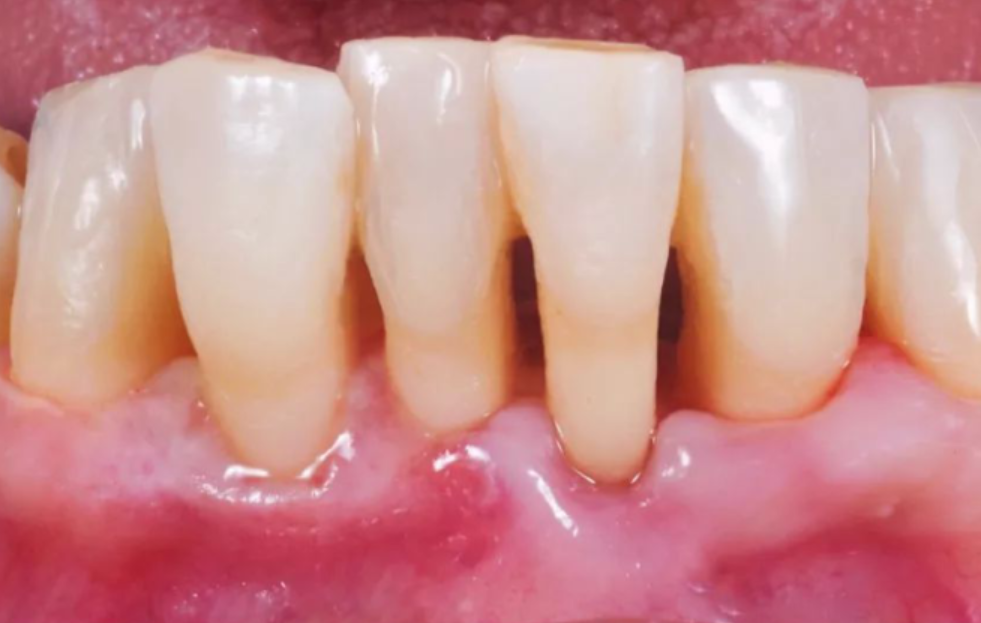
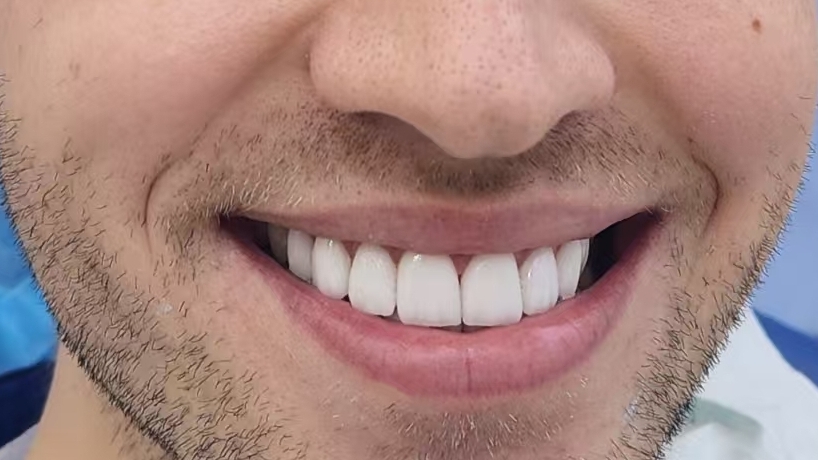
Root‑Canal Therapy: Not Ruining the Tooth, but Saving It
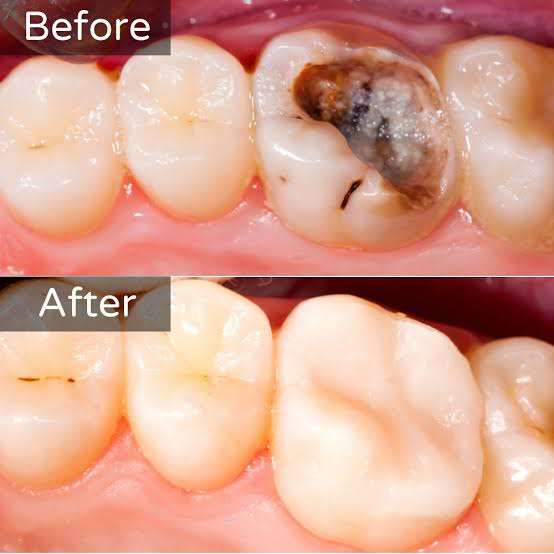
Many patients hold a deep‑rooted misconception about root‑canal therapy. They believe endodontically‑treated teeth become brittle, discolored and less durable than vital teeth, mistakenly assuming root‑canal treatment damages natural teeth. On the contrary, root‑canal therapy is a core clinical procedure designed to rescue severely compromised teeth from extraction.
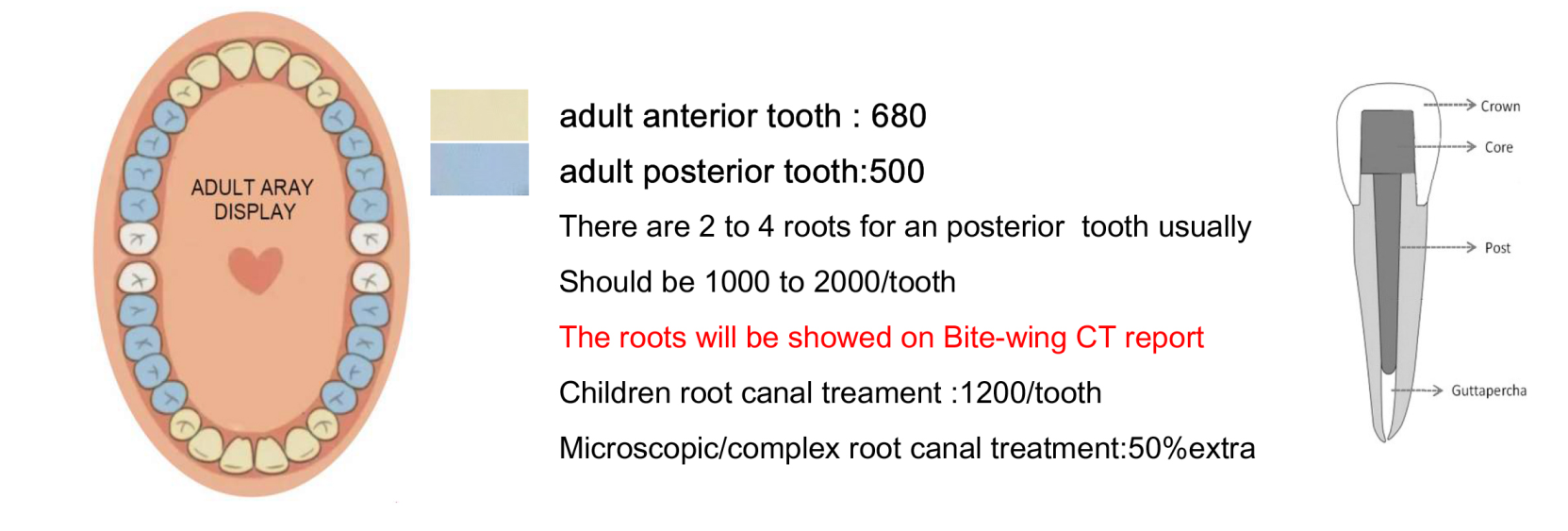
When teeth suffer from deep caries, pulpitis or periapical infection, the dental pulp is invaded and necrotized by bacteria, leaving infectious lesions within the root‑canal system. Without intervention, recurrent pain, gingival swelling and suppuration will occur. Progressive inflammation resorbs alveolar bone, leading to tooth mobility and eventual extraction. Root‑canal therapy removes necrotic pulp tissue, disinfects the root‑canal space and seals the infected pathways to halt pathological progression and preserve the diseased tooth.
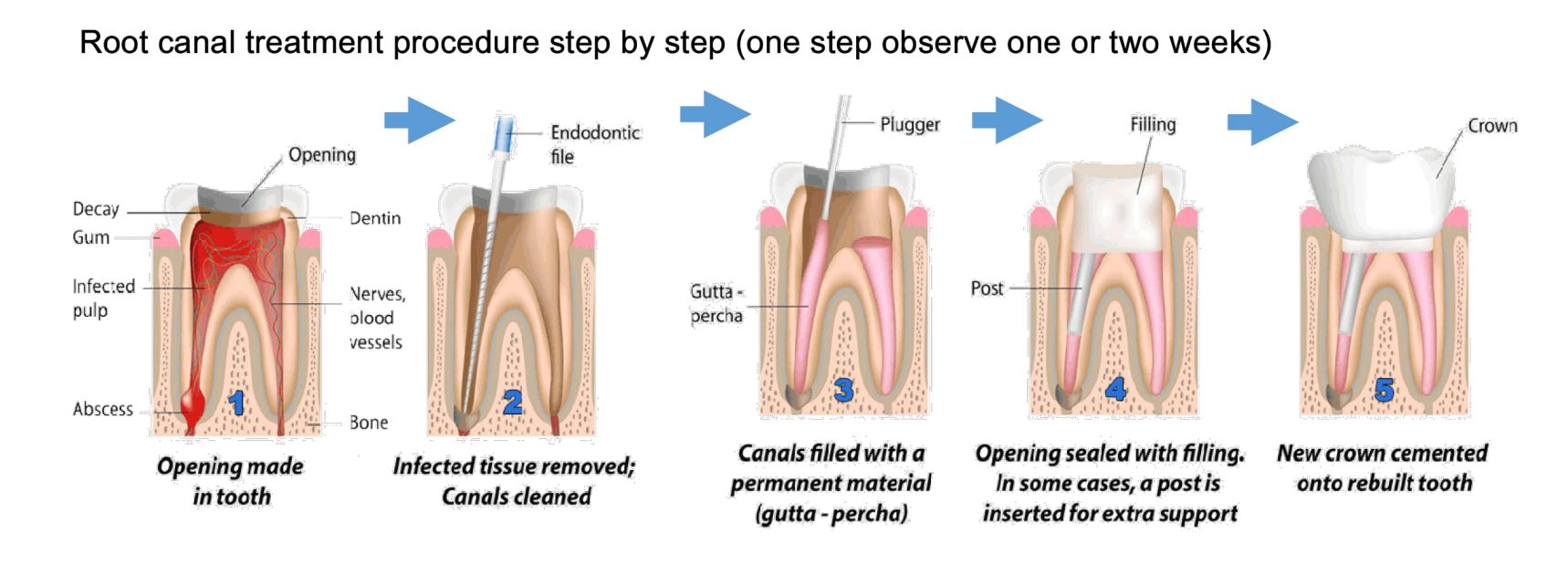
Clinical dentistry follows the principle: save the tooth whenever possible before extraction. Natural teeth possess superior proprioceptive sensation, masticatory adaptation and periodontal compatibility, which cannot be fully replicated by implants or fixed prostheses. Premature tooth extraction triggers a cascade of complications including adjacent‑tooth tilting, overeruption of opposing teeth and alveolar bone resorption. The primary goal of root‑canal therapy is to restore masticatory function for compromised natural dentition.
It should be emphasized that completion of root‑canal therapy does not equal full recovery. Pulpectomy deprives the tooth of pulpal nutritional supply, resulting in dehydrated, brittle remaining tooth structure with drastically reduced fracture resistance.
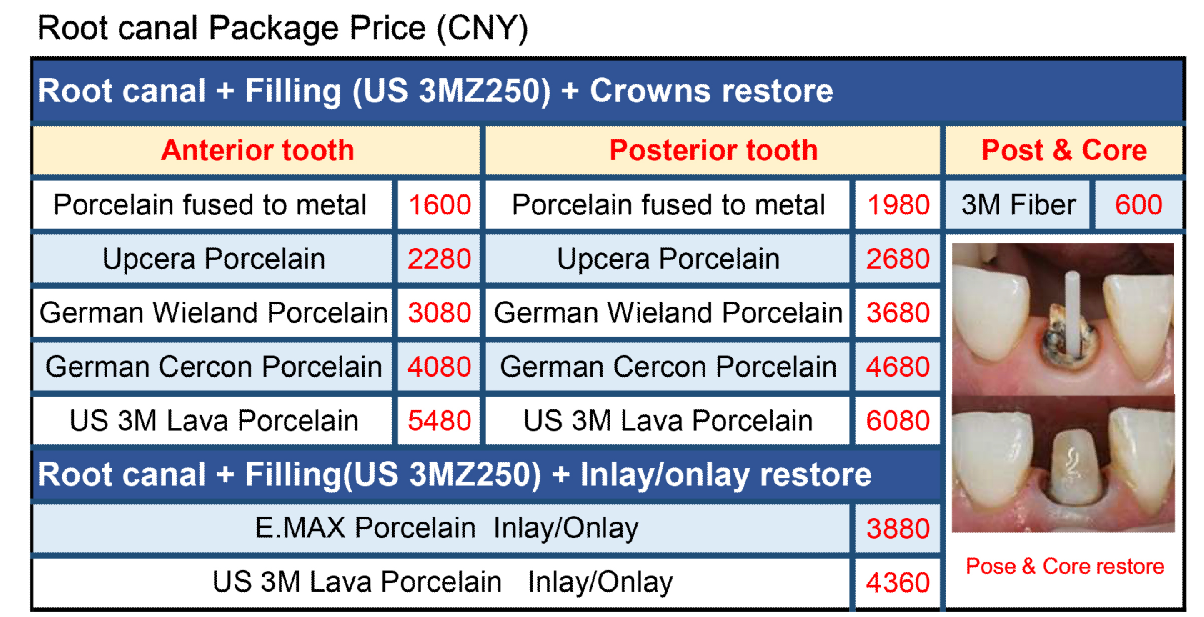
The service life of endodontically‑treated teeth depends largely on postoperative protection and periodic recall. Timely full‑coverage crown restoration, avoidance of heavy occlusal loading and adequate oral hygiene are essential to preserve residual tooth substance, enabling decades of stable function. Radiographic follow‑up at regular intervals detects occult secondary caries and residual periapical inflammation for early intervention.
In summary, root‑canal therapy preserves rather than destroys teeth. Natural dentition is invaluable. Retain teeth whenever feasible. With proper postoperative maintenance and regular examinations, endodontically‑treated teeth can maintain stable masticatory performance long‑term.