To Extract or Retain Root Stumps — Clinical Decision‑Making
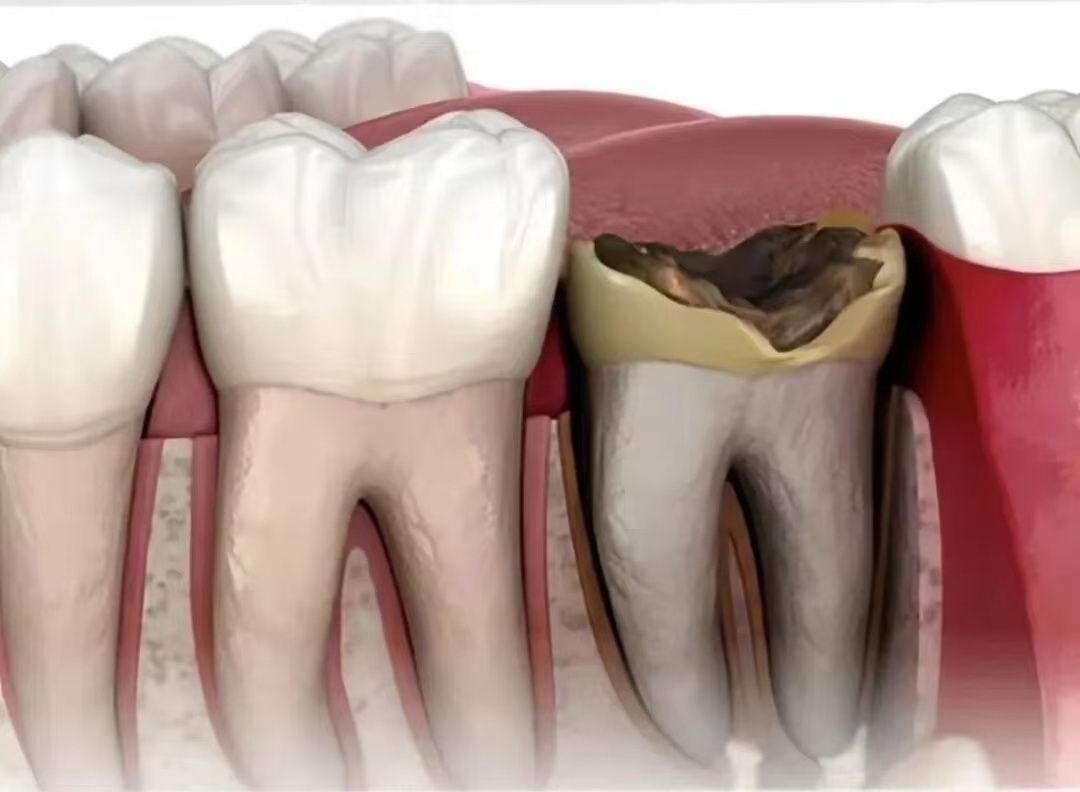
Many patients hold the mindset: “Leave the root stump alone if it does not hurt.” This perception is clinically risky. A root stump acts like a time‑bomb inside the oral cavity; untreated lesions will progressively deteriorate.
The core principle: retain whenever feasible; extract when indicated.
Conditions for Retention
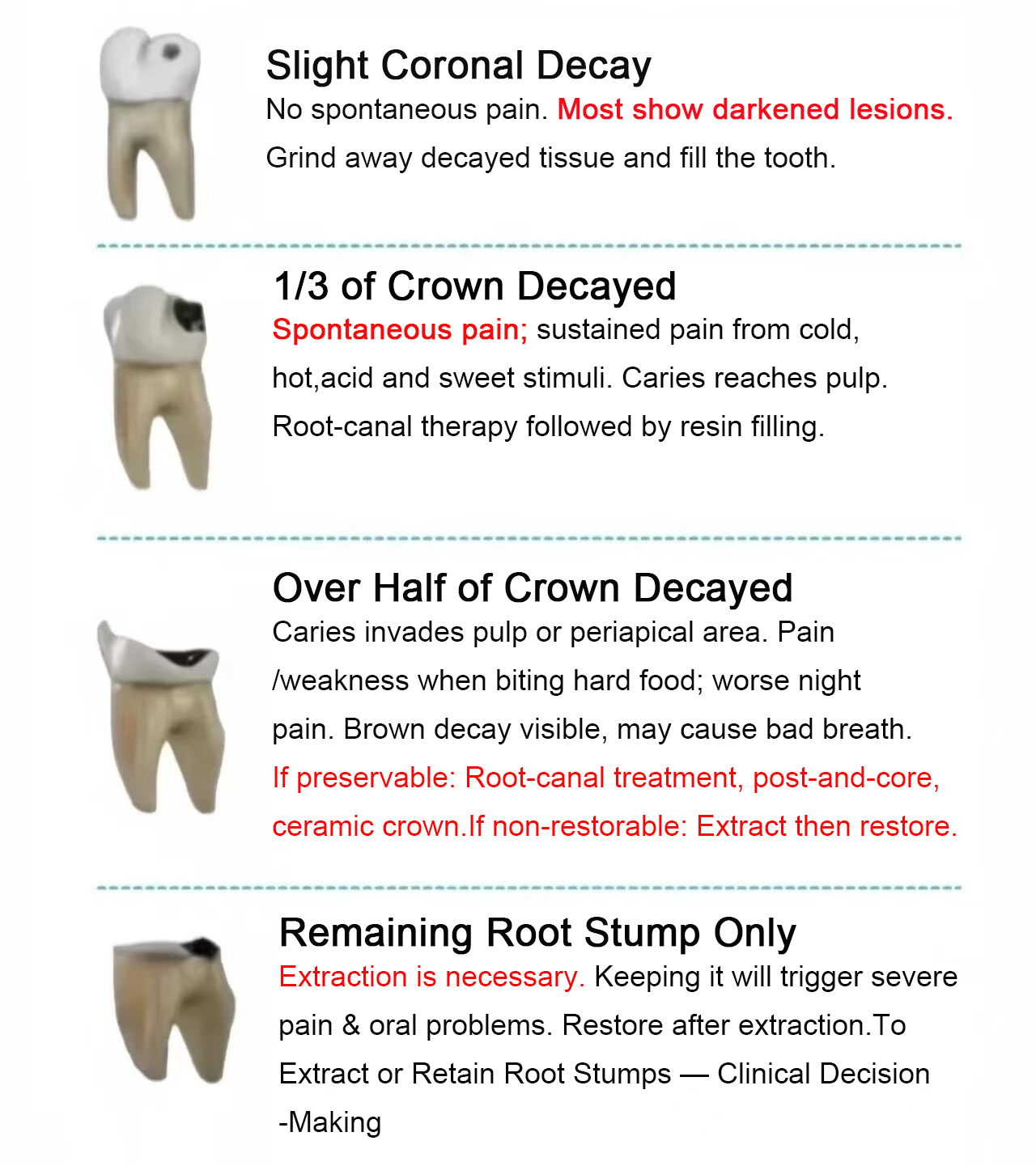
The root stump possesses adequate root length, firm anchorage without pathological mobility, absence of recurrent periapical inflammation, and no perforation of the root wall.
For such cases, root‑canal therapy is performed. After thorough debridement, post‑and‑core reconstruction followed by crown restoration can re‑establish masticatory function. This treatment preserves adjacent tooth structure with favorable cost‑effectiveness, representing high therapeutic value for tooth preservation.
Indications for Extraction
Extraction is mandatory for short, mobile root stumps, root perforation, recurrent swelling, gingival abscess and suppuration, or radiographic evidence of periradicular bone destruction.
Such residual roots serve as bacterial reservoirs. Retention may trigger periodontitis, caries on adjacent teeth and halitosis. Delayed management leads to progressive alveolar bone resorption.
Two Critical Caveats
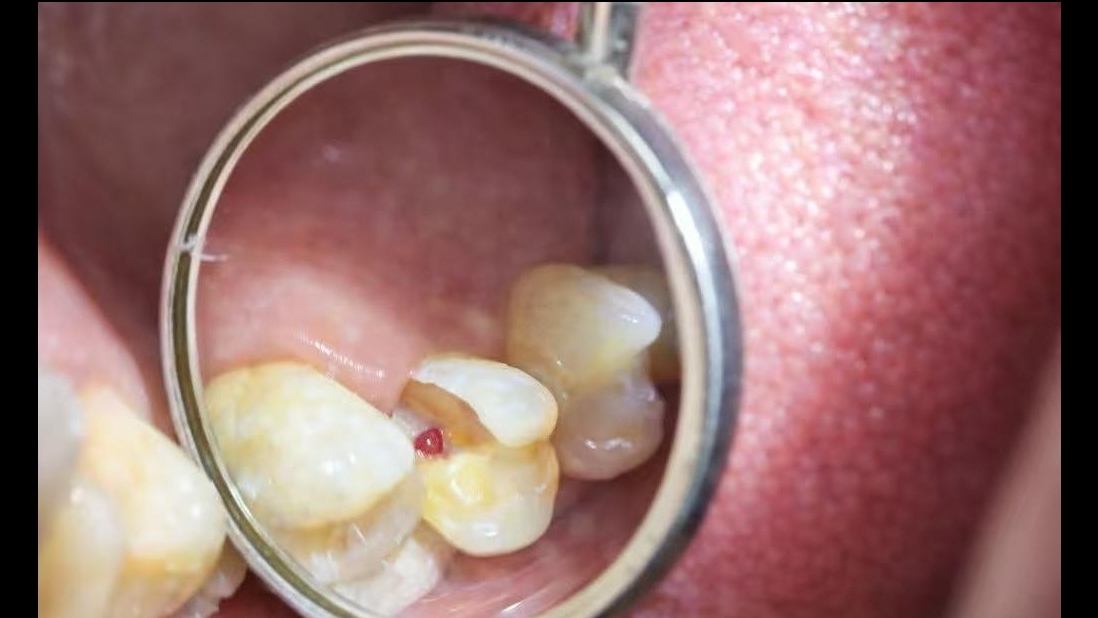
1. Do not ignore the stump simply because it is pain‑free. Absence of pain does not equate to absence of inflammation. Chronic periapical inflammation is frequently asymptomatic yet silently resorbs root and alveolar bone. By the time pain emerges, the tooth is often non‑restorable.
2. Do not insist on retention out of fear of extraction. Extraction under local anaesthesia achieves adequate pain control with rapid postoperative recovery. Forcing retention of a hopeless root stump only brings unnecessary suffering and wasted expenses.
The decision to extract or retain a root stump must not rely on subjective symptoms or patient tolerance. The gold‑standard approach is radiographic examination at a formal dental institution. Clinicians evaluate root length, periodontal status and alveolar bone condition to formulate individualized treatment plans.
Natural teeth serve lifelong functions. Even for residual root stumps, premature abandonment should be avoided. Early assessment and intervention are essential for oral health.