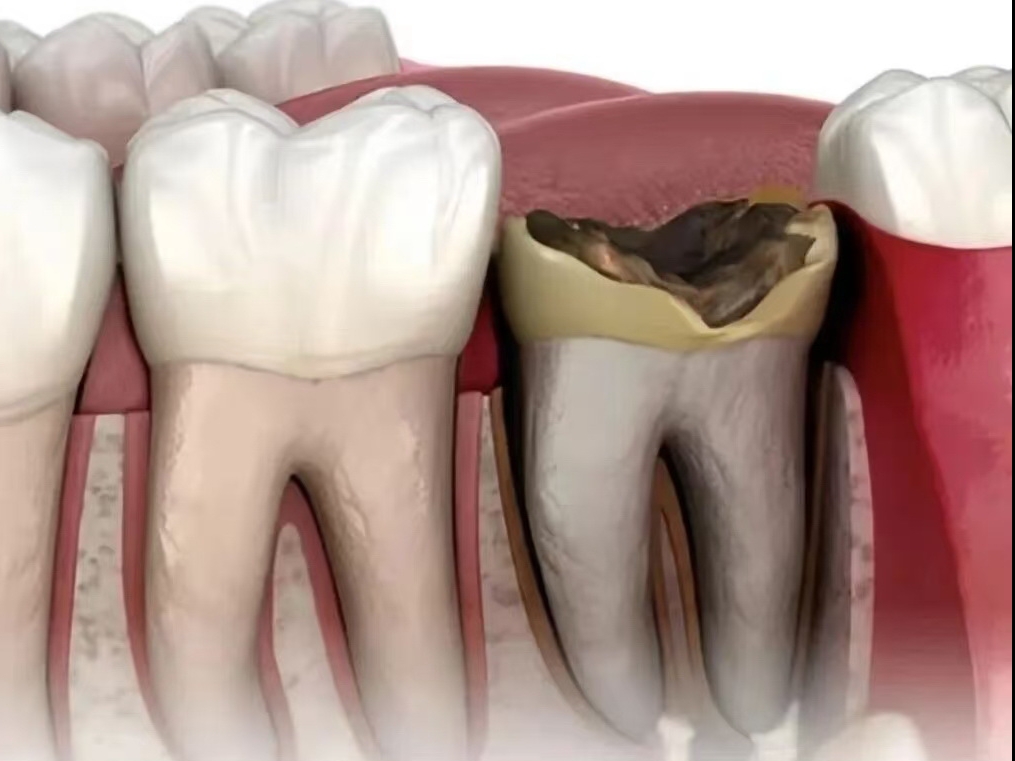
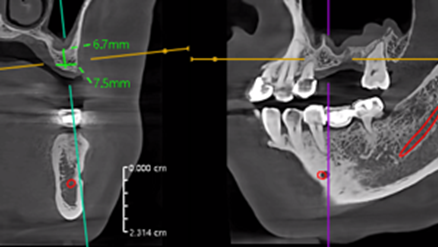
Why Am I Asked to Undergo Scaling / Periodontal Treatment Prior to Dental Implant Placement?
Many patients with missing teeth consult clinicians for dental implant therapy, yet they are advised to complete periodontal treatment before implant surgery.
Quite a number of patients feel confused at this point: “I only want dental implants. Why do I need so many other treatments? Are these procedures mandatory? What benefits can they bring?”
1. What is Periodontitis?
Teeth are firmly anchored in the alveolar bone by their surrounding supporting tissues. Periodontitis refers to a chronic inflammatory disease affecting the tooth‑supporting structures (alveolar bone, gingiva, periodontal ligament and cementum). Progressive resorption of alveolar bone eventually leads to tooth mobility and tooth loss. According to the Fourth National Oral Health Epidemiological Survey, periodontal diseases affect over 75 % of the global population. It ranks as the leading cause of tooth loss worldwide, with an observable trend toward younger age groups.
Unfavourable lifestyle factors such as smoking, as well as systemic conditions including diabetes, can accelerate the progression of periodontitis.
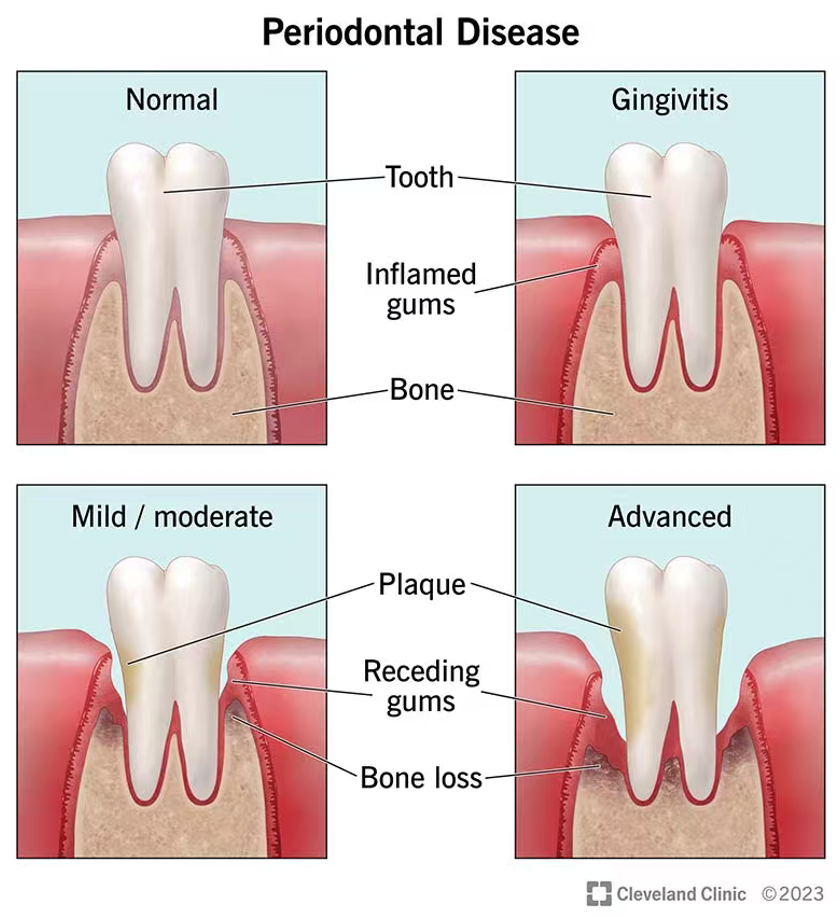
2. How Does Periodontitis Affect Dental Implants?
Periodontitis is frequently accompanied by alveolar bone resorption and gingival recession, which increase the technical difficulty of subsequent implant surgery.
A past or active history of periodontitis represents a high‑risk factor for peri‑implant infection. Patients who lost teeth due to periodontitis carry a higher risk of post‑implant infection compared with those whose tooth loss results from trauma, dental caries or congenital developmental defects.
Forcing implant placement under uncontrolled periodontal conditions may result in both implant failure and financial loss.
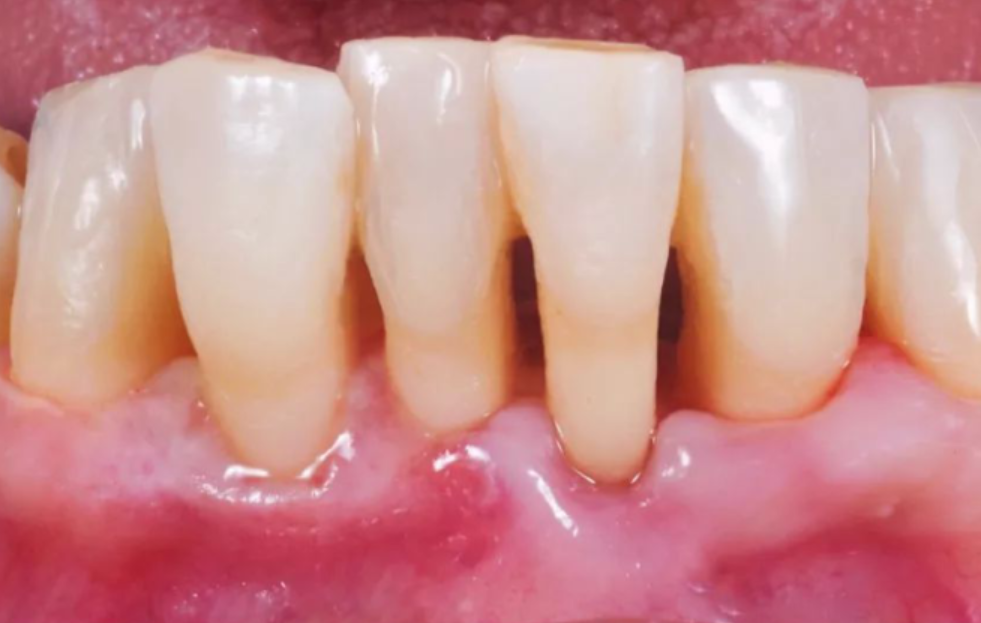
3. Is Dental Implant Feasible for Patients with Periodontitis?
Yes, it is feasible — on the prerequisite that comprehensive and effective systematic periodontal treatment has been completed. Periodontal therapy includes supragingival scaling (commonly known as teeth cleaning), subgingival scaling and root planing, and in some cases periodontal surgery. Clinicians select appropriate interventions according to disease severity.
Non‑restorable teeth are extracted first, followed by periodontal therapy for the remaining dentition. Implant treatment can proceed only after clinical assessment confirms stable periodontal status and controlled inflammation. Compared with patients with healthy periodontium, individuals with a history of periodontitis require regular, long‑term periodontal maintenance therapy to maximise the long‑term survival of dental implants.
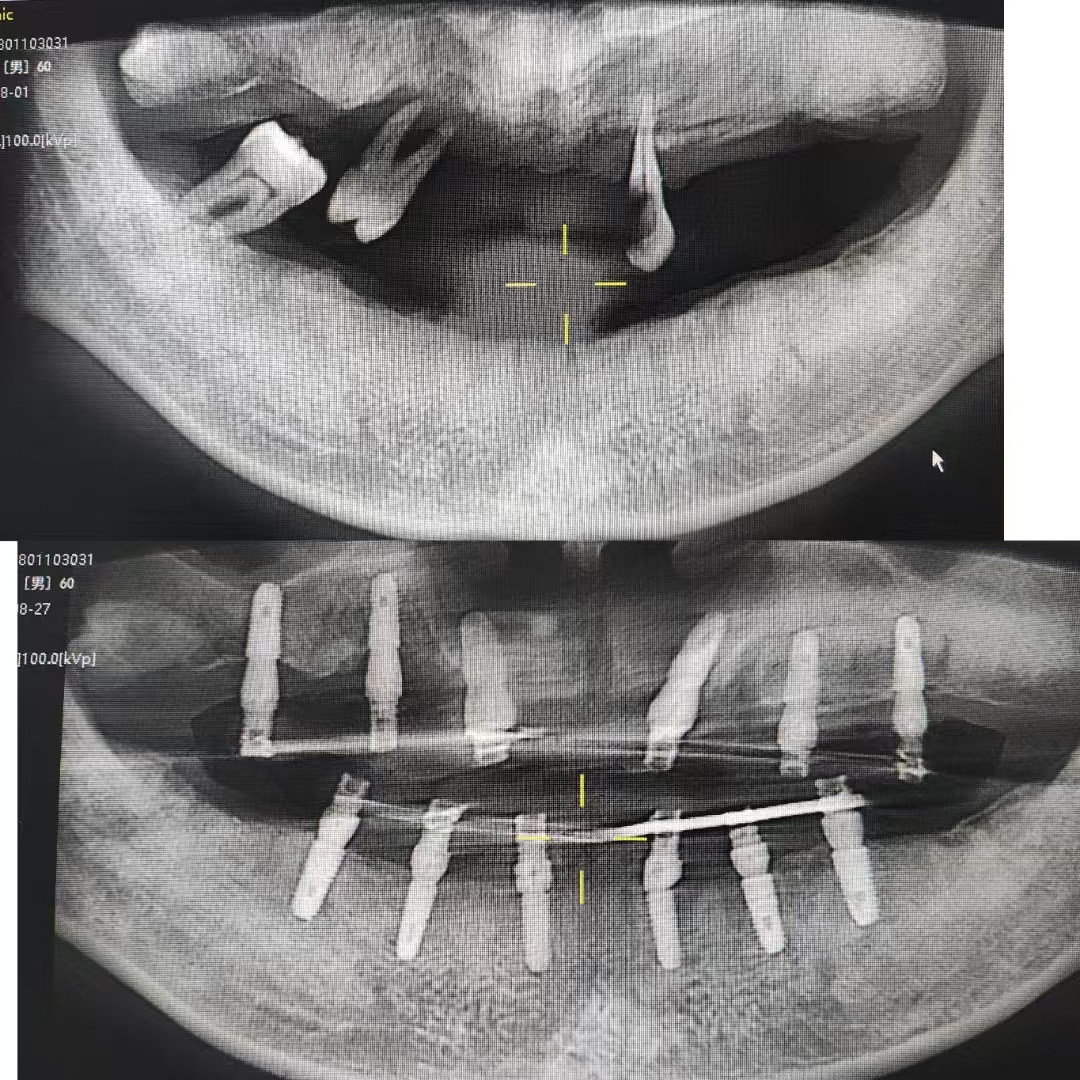
Lastly, wish everyone a lifetime of healthy dentition.